DaVinci Resolve 21 ships nine AI features, then quietly bolts on Lightroom
The release page opens with nine feature titles that all have "AI" in them. Editors in the thread shrugged at that and pointed at the buried headline: a whole new Photo page that turns a free video editor into a credible raw-photo manager on Linux.
Nine AI titles, and the feature nobody led with
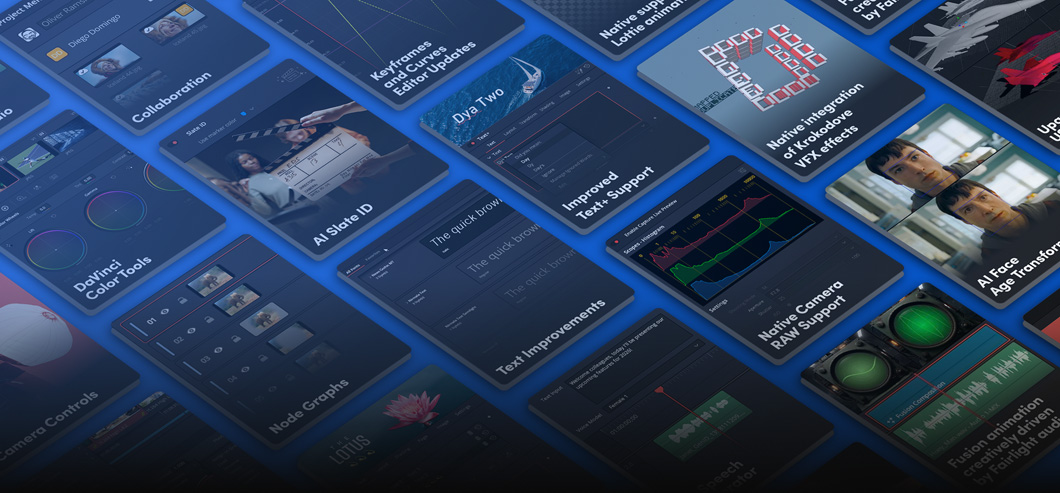
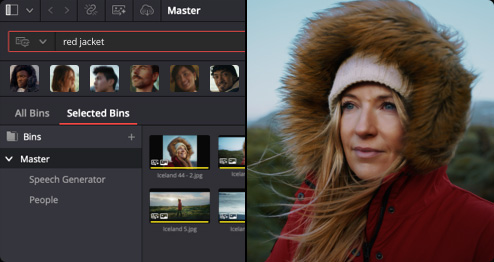
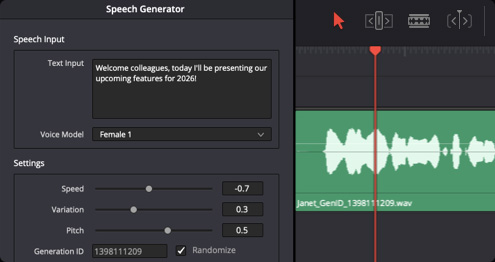
Blackmagic's What's New page for DaVinci Resolve 21 opens with a wall of AI: IntelliSearch, which analyzes media so you can search footage for specific objects or spoken words; a Speech Generator that builds a voice from a 10-second sample with adjustable pitch and speed; CineFocus for after-the-fact depth-of-field; plus Face Age Transformer, Face Reshaper, Blemish Removal, UltraSharpen and Motion Deblur. The pitch is that these run locally on the DaVinci Neural Engine, not in the cloud.
Underneath the AI banner is the change that actually moves Resolve into new territory: a new Photo page with full color-grading tools for stills, node-based non-destructive editing, a LightBox album view, and camera tethering for Sony and Canon. Fusion gets audio-driven animation via a Fairlight Animator and a 70-plus-tool Krokodove VFX library; the Color page adds a MultiMaster Trim Manager to spit out multiple HDR and SDR deliverables from one timeline. Most of it, including the motion-graphics work, ships in the free build.
Editors skip the AI fight and argue about the photo page
The loudest signal in the thread was working users telling the AI-skeptics they're missing the release.
"For all the potshots about AI, this update is huge even if you take away the AI features. They basically added lightroom to this release… It may be the best photo management/editor on linux." — a Linux user who calls it the best photo editor on the platform
A prominent name vouched for the paid tier on pure value.
"Got a copy of the Studio version a few months later I opened my YouTube channel: among the best money spent in software of my life." — Salvatore Sanfilippo, creator of Redis
But the reversal is that the software's biggest critics are also its users — the complaint isn't the AI, it's the engineering.
"It is hard to imagine software could be commercial and so poorly made… Resolve genuinely feels worse than an Electron app, with subtle delays and micro-freezes in many interactions." — an independent software consultant
"The learning curve is as steep and tall as the granite walls of El Capitan… the user interface is garbage. Like they studied old versions of Gimp and thought, 'let's do even worse'." — a longtime user frustrated by the steep learning curve
And a working software author noted the practical frontier isn't generative effects but agentic editing: he's already scripting Resolve in Python to do transcript-based cuts, breath detection and b-roll placement, calling the API "poorly documented" and covering only a subset of the app.
The free tool that keeps eating categories
The AI titles are the marketing; the strategy is bundling. Resolve already swallowed pro color and audio, and version 21 reaches for Lightroom and basic After Effects in the same free download — on Linux, where Adobe won't go. The honest read from its own users is that Blackmagic keeps widening the moat by giving things away faster than it fixes the UI underneath.
Get breakdowns like this every day
The top Hacker News stories, unpacked — by email, Telegram, or RSS.
A C++-without-the-downsides language, an ungoogleable name, and 45k lines of proof
Ü promises C++ power, Rust-grade safety, and a README that swears any resemblance to other languages is unintentional. The thread mocked the marketing — then the solo author showed up to say he's shipped 45,000 hand-written lines of a game in it with no memory bugs.