A laser-etched black metal panel pulls fresh water from the sea and leaves dry salt
Most desalination dumps a toxic brine back into the ocean. A Rochester lab's solar panel uses the coffee-ring effect to march salt off to a side zone as solid crystals — 10.3 liters of water per square meter a day, in glass, at lab scale.
A university press release the thread immediately distrusted
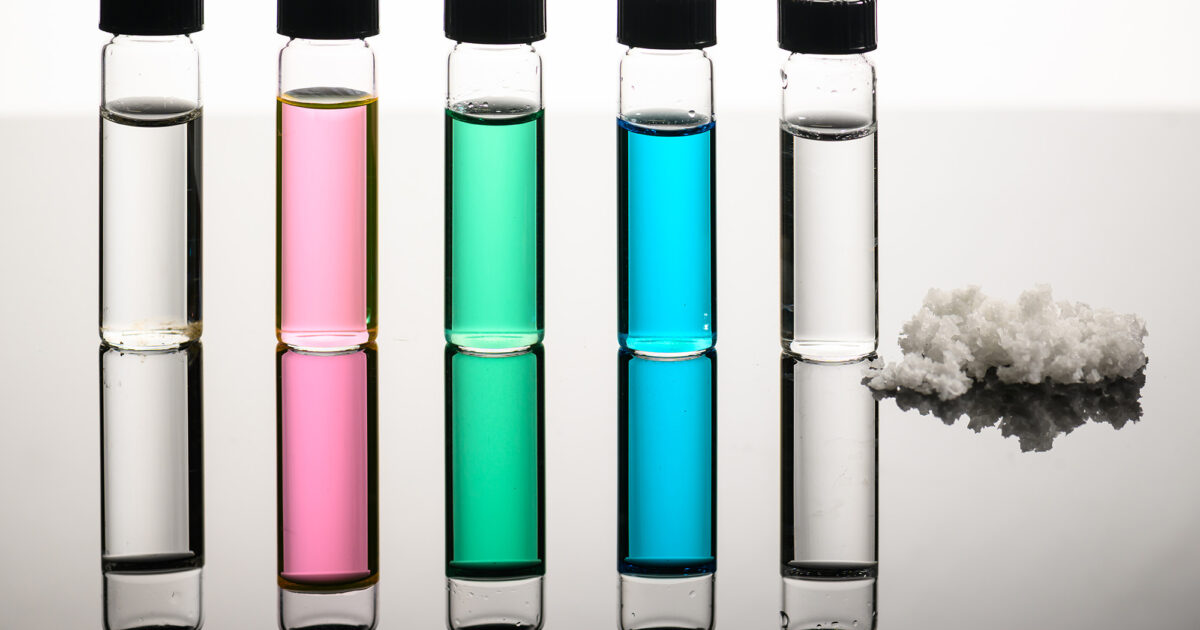
The University of Rochester newscenter announced a desalination method that produces "drinking water, without waste" — and the HN crowd, which has seen a thousand miracle-water headlines, spent 134 comments stress-testing it. The story scored 307 points; a commenter noted it's a near-repost of the same release from four days earlier.
How the black metal actually works
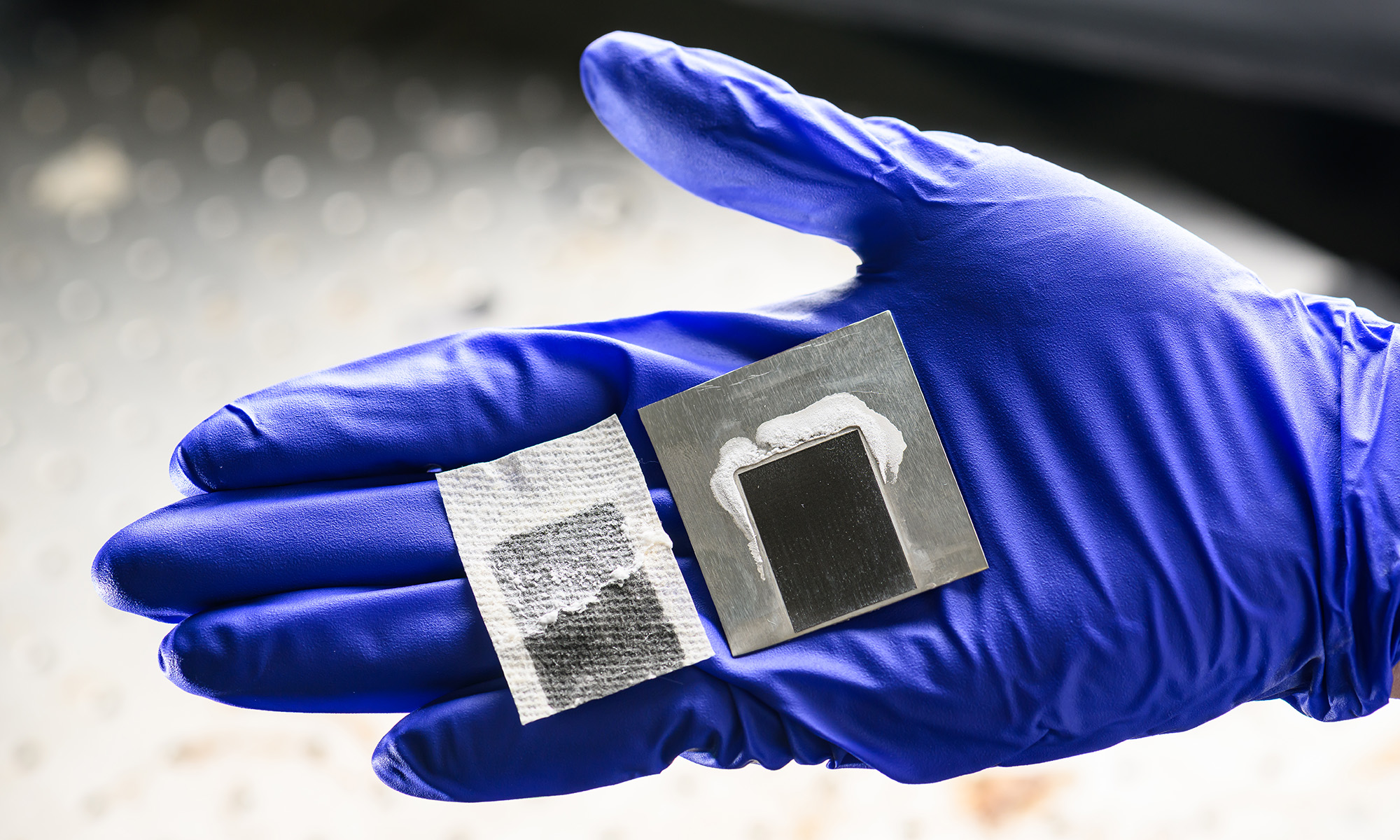
The method comes out of Chunlei Guo's lab at Rochester's Institute of Optics. A femtosecond laser etches a metal surface into something with two opposed properties at once: it is super light-absorbing (a near-perfect black body, soaking up almost all incoming solar radiation) and superwicking — so attracted to water that it pulls a thin film across itself. Sun heats the film, water evaporates as vapor and condenses as fresh water, and the dissolved salt is left behind.
The trick that distinguishes it from every other solar still is what happens to that salt. Conventional designs clog: salt crusts over the active surface and kills absorption. Rochester's panel exploits the coffee-ring effect — the way a drying droplet pushes its solids to the rim — to march salt off the hot active zone and into a separate passive region, where it accumulates as collectable solid crystals rather than being flushed back to sea as brine. That's the basis of the "without waste" claim: near-100% of the salt comes out as a solid, not a toxic concentrate. The same superwicking panels, seeded with hydrogen titanate nanoparticles, also pulled lithium from Great Salt Lake water at roughly 50% selectivity — the lab's pitch for mining valuable ions instead of dumping them.
The thread: the number, the energy floor, and who owns the laser
The press release skipped the production figures. A commenter who read the underlying Nature paper supplied them:
"We collected a total of 9.3 g freshwater along with 0.343 g of sea salt from the ABF-STIC with a 9 cm2 surface area over the course of 9 hours… equivalent to generating 10.33 liters m−2 of freshwater… per day." — a commenter quoting the paper's core result
John Nagle drew the line between lab demo and product:
"They're still at lab scale in glass. They haven't built a usable system, even a small one… capillary action moves the salt out of the active area to another area, where some yet to be developed mechanism removes it. That needs to be demonstrated." — John Nagle, animats.com
An engineer raised the thermodynamic objection the headline can't dodge — there's a hard minimum energy to separate salt from water, and the fair comparison is solar panels driving reverse osmosis on the same patch of ground:
"There is a fundamental minimum amount of energy needed to desalinate… to justify their efficiency claim, they should really compare against what you could do by using the same surface area for solar panels, driving a conventional setup." — an engineer arguing RO is already near the theoretical optimum
And one reader poked the "without waste" framing directly:
"…except for the huge piles of salt. If the salt was not waste, surely people would already be extracting it from the brine." — a commenter questioning whether solid salt is a product or just dry garbage
A practical bottleneck also surfaced: femtosecond lasers are exotic, largely patented hardware, which makes "just laser-etch some metal" a non-trivial manufacturing step.
The honest read: a clever clog fix, not a water revolution
Strip the press-release gloss and what's left is real but small. Turning brine into dry crystals is a genuine improvement — easier to dispose of, possibly worth mining for magnesium, lithium, or sulfate, as one commenter detailed. But 10.3 liters per square meter per day, in glass, with a yet-to-be-built salt-removal stage and a femtosecond laser in the build chain, is an emergency-response or off-grid curiosity, not a replacement for the reverse-osmosis plants that already run near their energy floor. The advance to watch isn't the freshwater number — it's whether the no-clog mechanism survives years of operation outside a lab.
Get breakdowns like this every day
The top Hacker News stories, unpacked — by email, Telegram, or RSS.
Physicists named the missing ingredient of gravity 'magic' — and the thread revolted
Entanglement could build the fabric of space-time, but that fabric stayed rigid — it couldn't bend in response to matter, which is the whole point of gravity. A quantum property called 'magic' supplies the springiness. Half the thread thinks the name alone is malpractice.