A family deeded 87 acres for a park, for $10. The city sold it for a data center
In 1999 a farming family in Taylor, Texas deeded 87 acres to the city for ten dollars, with one condition written into the deed: it had to stay a public park. In 2025 the city sold it to a data center developer for $10 million. The family sued. The suit was dismissed.
The deed said park. The city took the $10, held the land, then sold it to a developer named Blueprint for $10 million — for a 135,000-square-foot data center going up 500 feet from the donor family's home, wedged between a power substation and railroad tracks.
The thread's lesson from people who've done land conservation: never deed land to a city. Put it in a conservation trust with an easement, because a city 'will do whatever is best at the time with whomever is in charge.'
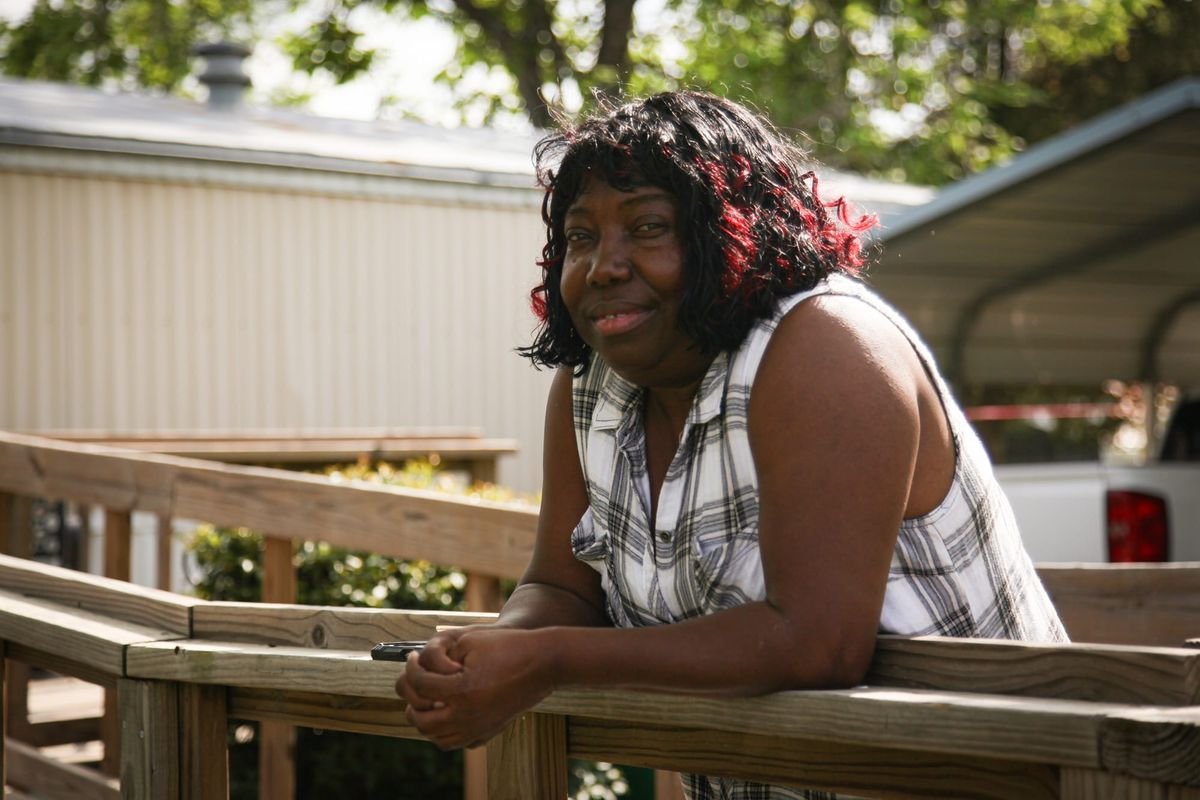
A ten-dollar gift with one string attached
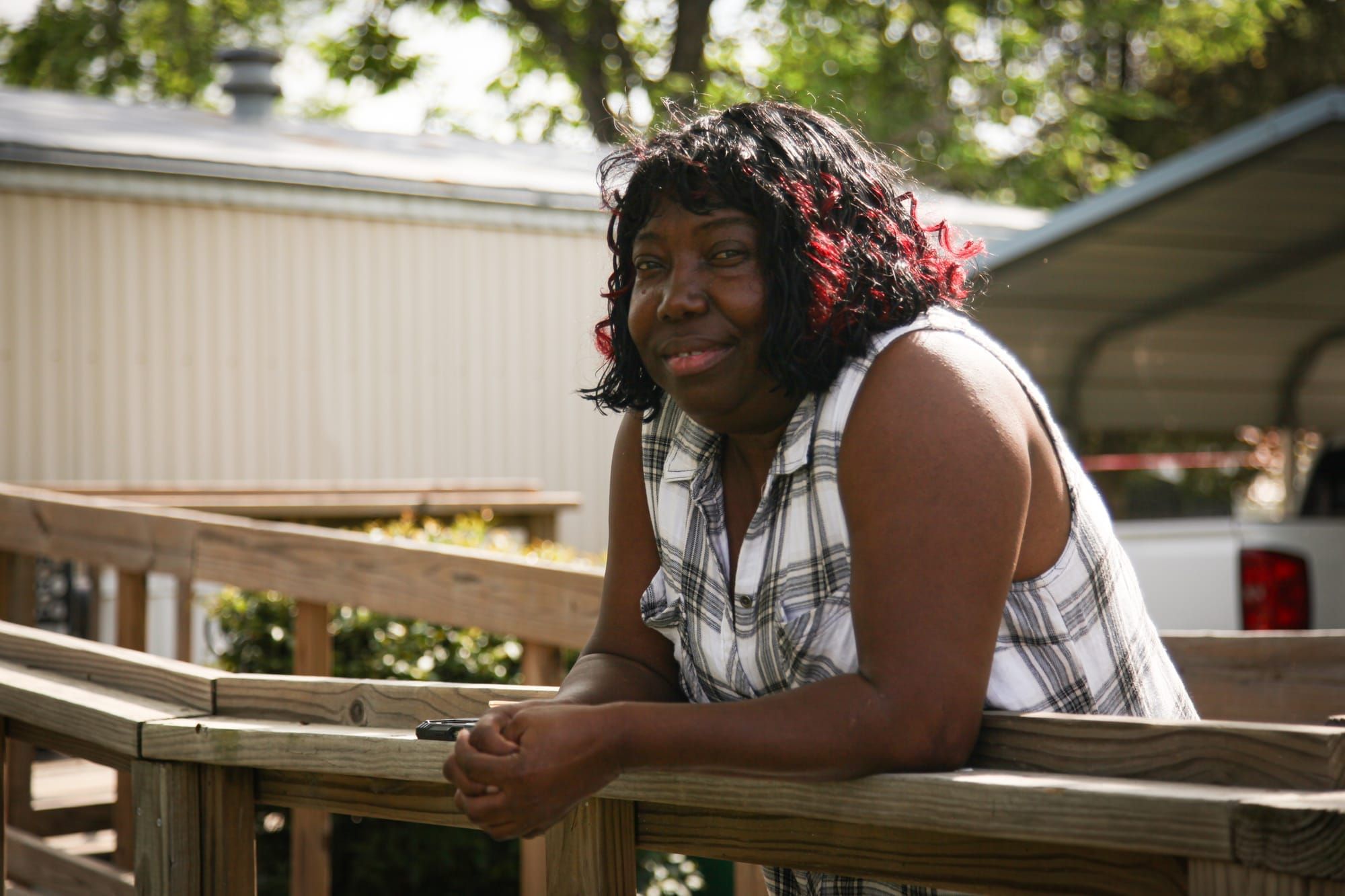
404 Media's report, "A Farmer Donated Land to Turn into a Park. The City Is Building a Data Center Instead", starts with a family story: Pamela Griffin's family had played baseball and camped on the land for generations. In 1999 they deeded 87 acres to the City of Taylor, Texas for $10, with the deed explicitly requiring the land be used as a public park.
The $10 gift became a $10 million sale
The park never came. In 2025 the city sold the land to a data center developer, Blueprint, for $10 million. The planned facility is 135,000 square feet, sited 500 feet from Griffin's home, between a power substation and railroad tracks. When the family sued over the broken deed condition, the court dismissed the suit. The article hit 421 points on HN, and the part that landed hardest was the asymmetry: a deed restriction strong enough to write down, weak enough to evaporate in court while the city pocketed a thousand-fold markup.
The thread's hard rule: never give land to a city
The most useful voices were people who do land conservation and have watched this exact failure mode. The clearest stated it as a defense-in-depth principle:
"Whenever possible, conservation land should go into a conservation trust, not to the city, with a conservation easement. Defense in depth. Local government will do whatever is best at the time with whomever is in charge, conservation trusts will optimize to conserve and protect the land. No shame against this family, they and their gift were taken advantage of…" — a commenter on land-conservation structure
Others were blunter about accountability — and about what the sale did to the family's own home:
"Now their home is worthless because nobody wants to live next to a data center. When are we going to hold local government officials accountable for bullshit like this?" — a commenter on the downstream harm
The contrarian view: deed restrictions are the wrong tool
Not everyone sided with the family's mechanism. One long-tenured commenter argued the problem is the perpetual restriction itself:
"I oppose deed restrictions. They last forever and who knows what is correct for future generations. This is a jerk move by the city, but that is a different issue." — a commenter against perpetual deed restrictions
That splits the case in two: a jerk move by the city (broad agreement) versus whether a 1999 condition should bind a 2025 council forever (genuine disagreement). The conservation-trust answer threads that needle — it doesn't freeze the land by fiat, it hands stewardship to an entity whose entire purpose is to protect it.
A 70-year-old pattern, not a new one
The thread surfaced precedent: one commenter pointed to Boston building Storrow Drive over riverfront land a donor's widow had meant for parkland — turning the Charles River bank into a highway. Donated green space getting paved is an old American story; the 2025 twist is the buyer. Where a mid-century city built a road, today's city builds a data center — the same conversion of public-by-intention land into infrastructure, now with AI compute as the justification and a $10 million check as the incentive. The practical takeaway the thread converged on: if you want land protected after you're gone, the deed condition isn't enough — the title has to live somewhere that can't be tempted by $10 million.
Get breakdowns like this every day
The top Hacker News stories, unpacked — by email, Telegram, or RSS.
Over 450 Thermo Fisher antibody images show signs of digital manipulation
A scientist ran reverse-image searches on a giant catalog supplier's antibody validation pages and kept finding the same Western blot background — flipped, rotated, painted over. The running count is past 450 images, and the company calls it 'optimized for presentation'.