Flock’s license-plate network turns a minor pretext into a route map
A report on police using Flock cameras to trace a man across state lines reopened a familiar surveillance concern: broad location data can make it easier to find a later pretext for a stop, even when the original suspicion is weak.
404 Media reports that police used Flock’s license-plate-reader network in a case connected to a pretextual weed search. The thread focused on the power created when widespread cameras make a person’s route searchable across jurisdictions.
Readers disputed the facts and the law of the specific stop, but converged on the broader risk: surveillance data lowers the cost of finding a reason to intervene, while the consequences of a mistaken stop fall heavily on the person stopped.
Location data changes what can become a stop
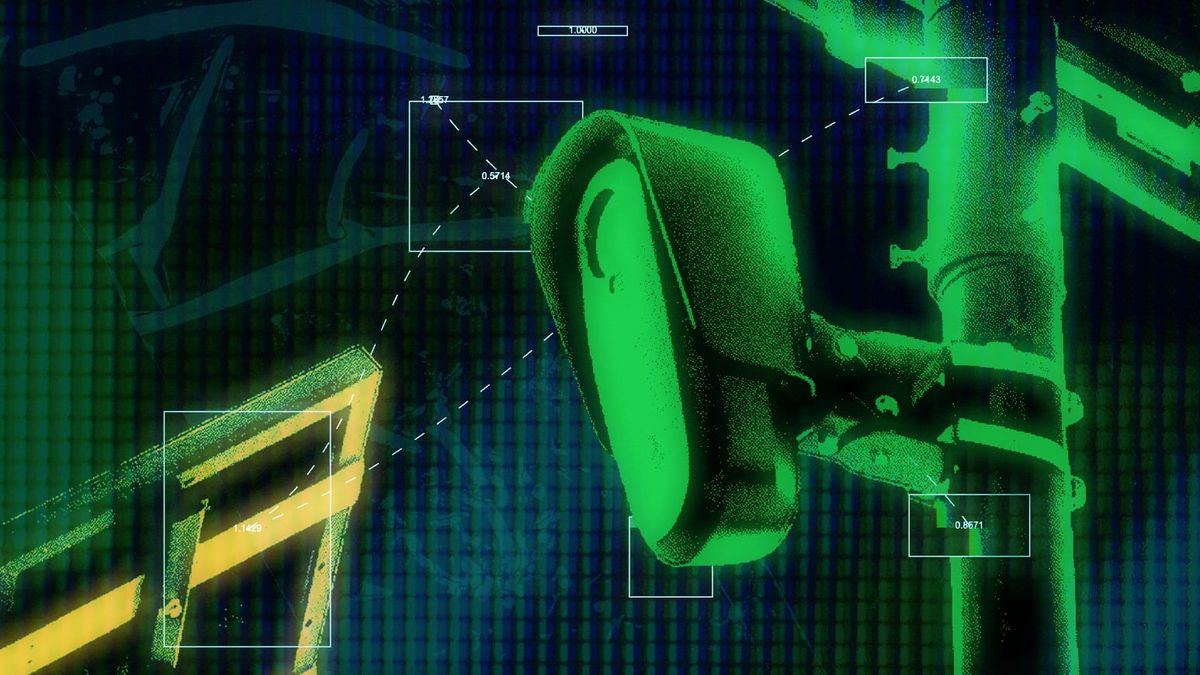
404 Media’s report describes law enforcement using Flock’s camera network to track a vehicle across state lines in connection with a search framed as pretextual. License-plate-reader systems change the scale of the inquiry: an officer does not need to see a car at one location if the network can reconstruct a route.
The story does not turn on a claim that every use is unlawful. It turns on what becomes feasible when location information is retained, shared, and queried widely enough to turn a vague interest into a targeted encounter.
The thread separates the case from the capability
Some readers asked why a pretext was necessary if the person was already wanted on a bail-jumping allegation. Others pointed out that crossing state lines with cannabis can have serious legal consequences. Those are case-specific questions, and they should not be flattened into a general verdict.
The broader reaction was about asymmetric harm. One commenter described mass surveillance as a loophole in the usual constraints on police power: even a later-released person can lose work, housing, property, and trust after a stop. Another collected several recent HN links about Flock, showing that this was not being read as an isolated incident.
The hard governance question is therefore less cinematic than “can cameras solve crime?” It is who can search route histories, what suspicion is required, how long data remains available, and whether someone can learn and challenge how a camera network placed them in a police encounter.
Get breakdowns like this every day
The top Hacker News stories, unpacked — by email, Telegram, or RSS.
A departing OpenAI engineer wants to build telepathy without implants
Naomi Bashkansky says she is leaving OpenAI to build telepathy. The HN thread immediately shifted from the provocation to the unresolved questions: non-invasive signal limits, privacy, consent, and whether this is communication or a new interface for existing work.