He fine-tuned a 7B model on 37 million words of 1990s Microsoft manuals for $50
Fabrizio Ferri Benedetti fed a small LLM three decades of out-of-print docs from Bitsavers and taught it to write like a 1995 SDK reference — full cross-refs, platform requirements, the works. The thread's best objection: the magic of old docs was never the prose, it was the depth, and you can't fine-tune that in.
Teaching a model to write like a Windows 2000 SDK reference
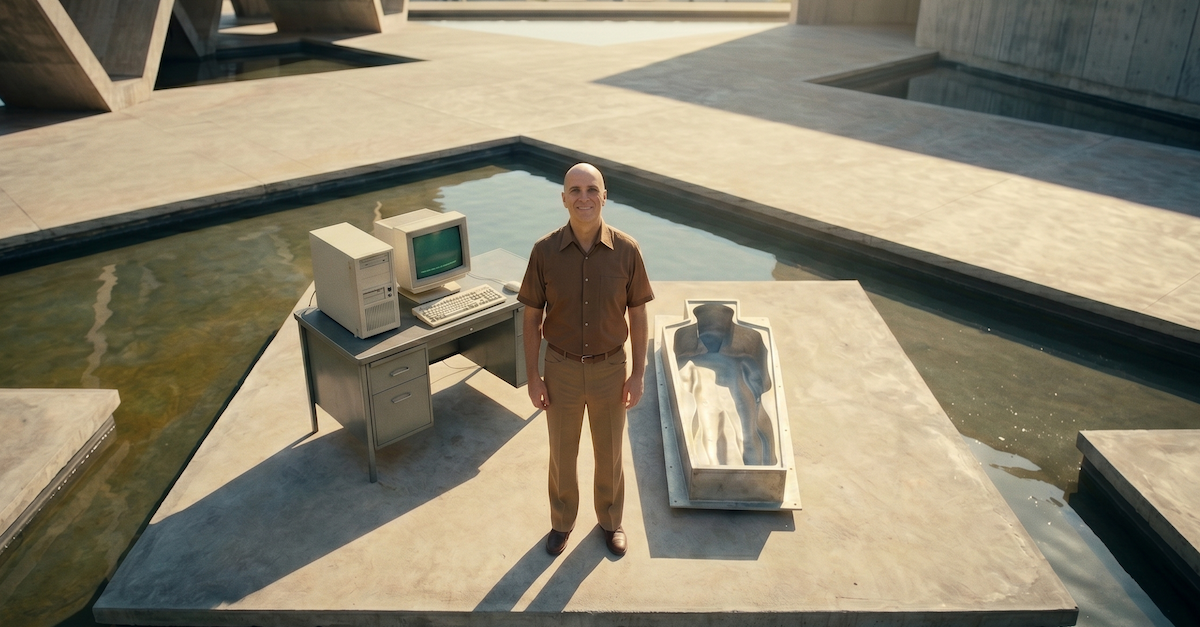
Technical writer Fabrizio Ferri Benedetti fine-tuned small open models to reproduce the house style of 1990s technical documentation — the era of dense, cross-referenced, platform-annotated SDK references. The post hit 181 points and 64 comments, and the thread quickly reframed the experiment: is the thing worth recovering the style, or the substance it used to carry?
What he built, and for $50
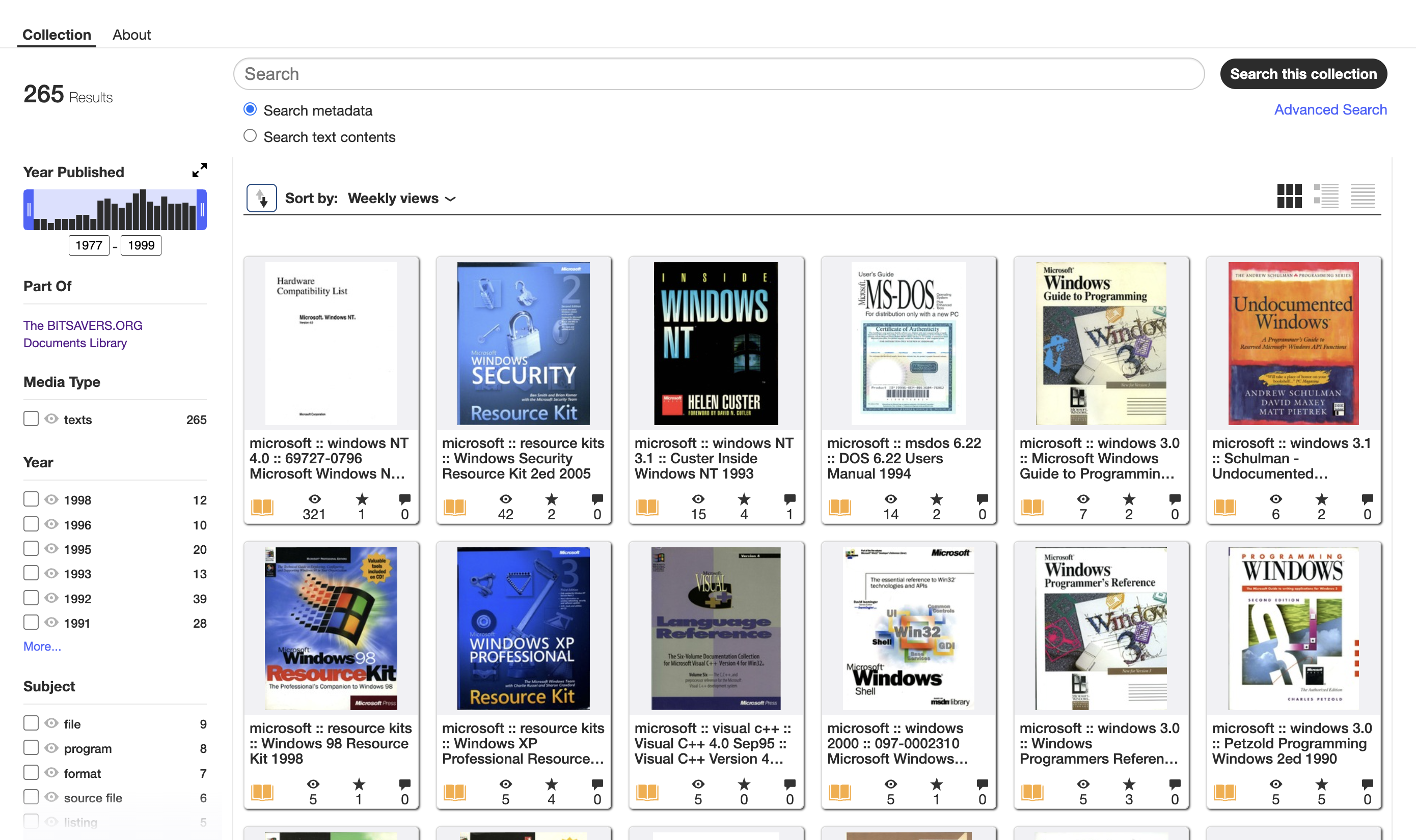
The training corpus was the Microsoft collection on Bitsavers, a scanned archive of out-of-print manuals — over 37 million words spanning 1977–2005, which he cleaned from OCR with Python scripts and a classifier. The method was QLoRA (quantized low-rank adaptation), which produces small adapter files instead of rewriting full model weights, run on Runpod GPUs for roughly $50 total. He tuned Llama 3.1 8B (instruct and base) and Qwen 2.5 7B Instruct, all small enough to run on a MacBook Air.
The result held up: asked to document a fictional ConnectWifi() function, the strongest tuned model produced full cross-references, platform requirements and a workflow section in authentic period format, where the unmodified models defaulted to modern Markdown. His conclusion is deliberately modest — these are augmentation tools for human writers, not replacements, and they inherit the judgment limits of the base model.
Style is the easy part; depth is the whole game
The thread's strongest objection is that the experiment optimizes the wrong variable.
"The trick about documentation is depth, not prose. You need context and understanding to write documentation 'like in the old days'. No amount of LLM trickery will free you from that. Once you have that source material, it's easy to re-shape it into an 80's/90's/00's doc format." — a commenter on why old docs read well
A longer reply located why the old docs were good — and it was organizational, not stylistic.
"release velocity approximated documentation velocity. If you only released once a year, your docs had time to be polished… I sat two cubes from my doc writer and we shared the same cultural worldview… so much can be left unsaid." — a writer recalling sitting two cubes from the doc author
The thread proves the writer's own point
The most striking confirmation came from readers realizing the 1990s style is already burned into them.
"What I've learned from reading this is how much of my own writing style was influenced by late 1990s MSDN." — an engineer who works on distributed-systems reliability
And you may not even need the fine-tune. A developer demonstrated that a stock model, given one DirectDraw page as an example, faithfully reproduced the format — down to the Requirements and See Also sections — for a custom doc language that exists only on his own PC:
"LLMs are generally good at following a specific style when given examples… The neat bit is that it can even handle weird formats like a custom documentation format i have (which only exists in my PC because i haven't released it anywhere)" — a developer who reproduced the style with few-shot prompting
One reader took it as a creative prompt rather than a critique, rebuilding a daily AI design publication as a working Windows 98 help viewer the same day, complete with a Start menu.
The skeptic's footnote
Not everyone saw the point. "Who is reading docs these days?" asked one commenter, happy to let an LLM read them for him — and a blunter voice wondered why we're tuning writing style when AI was supposed to be curing cancer. But the thread's real lesson cuts the other way: if a stock 7B model can already mimic the look of 1995 from a single example, the experiment's value isn't nostalgia. It's a quiet demonstration that the scarce ingredient in documentation was never the prose — it was a writer who understood the system and had time to explain it, and no corpus of old manuals fine-tunes that back in.
Get breakdowns like this every day
The top Hacker News stories, unpacked — by email, Telegram, or RSS.
A $549 Sigma lens died from one blown 0603 fuse the size of a grain of rice
The Sigma 45mm looked pristine but went completely dead on the camera body. The culprit was a single surface-mount fuse smaller than a grain of rice — and getting to it meant a teardown that shows why nobody repairs modern lenses anymore.