Tag

Microsoft

43 stories

Microsoft offered buyouts to 60,000 people while saying AI isn't why (seattletimes.com)

Microsoft is offering voluntary exits to about 60,000 staff in the US, UK, Canada and India, a few months after an early-retirement round that about 30% of eligible employees took. The company expects fewer takers this time.

In the thread, an ex-Microsoft engineer's reading was that the best people leave first.
📈Biz ★ 772 · 💬 693 · yesterday · #big tech#economy#Amy Coleman#Microsoft

Not just a headline — the discussion unpacked

The top HN threads: facts from the discussions, both sides, insider voices. Email, Telegram, or RSS.

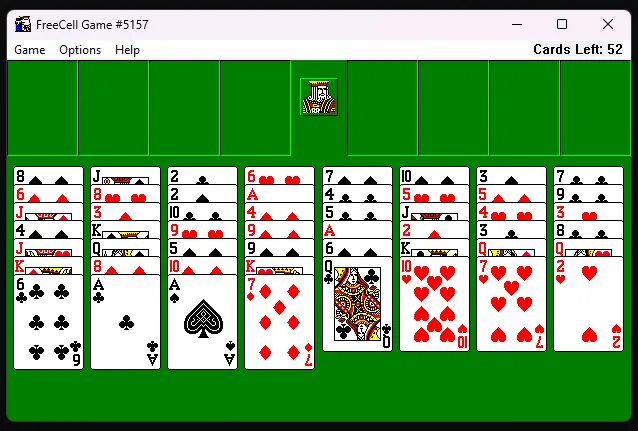
A 1993 FreeCell still runs on Windows 11, and a 1992 CD player almost does (blog.enlyth.com)

A pre-release NT 3.1 CD player linked on 16 November 1992 also runs, using the system's crtdll.dll. Earlier NT builds crash because they used the cdecl calling convention, where Windows 11 expects stdcall.

With the otvdm 16-bit emulator, even Windows 1.01's Reversi from 1985 launches, which the author admits feels like cheating.

🌍Other ★ 297 · 💬 189 · yesterday · #culture#programming#FreeCell#Microsoft#Win32+1

Netflix offered $500 million for seven years of Xbox adaptations. Microsoft countered at $800 million (darkhorizons.com)

Xbox says it has "record-breaking interest in our I.P." and points to upcoming Minecraft and Diablo animated series with Netflix. Gears of War, The Elder Scrolls and Sea of Thieves are reportedly being pitched.

A commenter who works through deal terms said the headline number says almost nothing.

📈Biz ★ 90 · 💬 135 · 2 days ago · #big tech#culture#gaming#Microsoft#Netflix#Puck+1

GitHub’s rough day revives the Azure migration question (news.ycombinator.com)

Users reported failures across Microsoft services and pointed to GitHub’s long-running move toward Azure; neither observation alone established the root cause.

A second explanation was load: commenters cited rapid growth in commits and new accounts as AI-assisted development turns GitHub into a much busier system.

An Xbox outage turned physical game discs into permission slips (birchtree.me)

The outage was temporary; the dependency it exposed is not. A physical disc can still rely on online checks, account services, updates and a working console ecosystem.

HN readers treated it less as a bad afternoon than as a preview of what game preservation looks like when the authentication server is gone for good.

A viral tweet blamed passkeys on engineers. The replies blamed Big Tech's device lock-in instead (twitter.com)

A viral tweet argued passkeys flopped with regular users because the engineers who built them have zero feel for the "consumer brain." The thread agreed passkey UX is broken, then went somewhere the tweet never mentioned.

A security engineer flagged the actual landmine: passkeys support device attestation, letting services silently restrict logins to Google, Apple, or Microsoft's own clients — and there's a maintained list of blacklisted alternative apps.

Someone else pointed out passkeys are conceptually just SSH keys with better marketing — and SSH keys never made it past sysadmins either.

Big Tech's Hidden AI Debt Hit $1.65 Trillion. It's Completely Legal. (asia.nikkei.com)

A Nikkei investigation puts five US tech giants' off-balance-sheet AI debt at $1.65 trillion, an eightfold jump in four years that now tops the $1.35 trillion they report outright, mostly through data-center leases and GPU deals that never touch a debt line.

On HN, the fight moved past the number to who eats the loss if AI demand disappoints: one reply blamed the banks; a sharper reply said the real exposure sits with private credit funds most readers have never heard of.

📈Biz ★ 355 · 💬 247 · Jul 22 · #AI#big tech#markets#Alphabet#Amazon#Meta+3

The Document Foundation blamed Microsoft for lock-in. HN blamed the author instead. (blog.documentfoundation.org)

The piece traces Microsoft's shift to XML-based DOCX and XLSX after Office 2007, an ISO fight the author calls "one of the most contested in ISO history." Its clean OOXML Strict variant has quietly vanished from recent Office releases, leaving only the messier Transitional format.

A commenter dug up an old post accusing the essay's author of self-sabotage: years of format complaints, they argued, substitute for LibreOffice closing its own feature gap. Another reader's company dropped Microsoft, then hit that same wall anyway.

Nvidia's $2 Billion Stake Covers Just 6% of CoreWeave's GPU Spending (io-fund.com)

CoreWeave's first-quarter free cash flow came in at negative $4.71 billion even as revenue more than doubled. To close the gap, it raised $3.5 billion in new debt this week alone, on top of $24.86 billion already owed, with interest payments now eating over a quarter of revenue.

One HN reader ran the actual math: Nvidia's investment is only 5.7% of CoreWeave's yearly GPU budget, making it "hardly circular." The real story, he argued, is who is financing the other 94% and what happens when Treasury yields keep climbing.

📈Biz ★ 314 · 💬 128 · Jul 12 · #AI#big tech#markets#CoreWeave#Meta#Microsoft+2

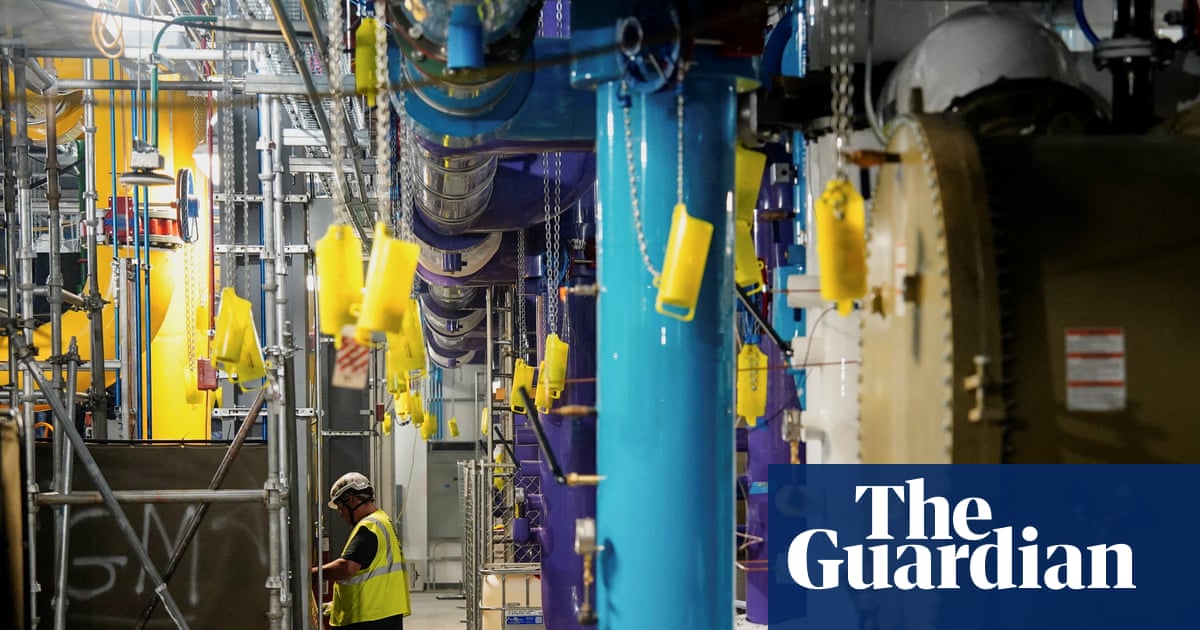
Microsoft's carbon emissions jumped 25% in a year building AI data centres (theguardian.com)

Google's emissions grew 18% on capital-goods spending for new capacity, and Amazon's cloud arm burned an estimated 78,000 gigawatt-hours in 2025, its largest jump on record.

In the thread, one reader flagged a live preview: Irish datacentres already draw 23% of the country's entire electricity supply, up from just 5% in 2015 - not alarming, another shrugged, since datacentres will simply "ride the transition to green energy for free."

🌍Other ★ 63 · 💬 84 · Jul 12 · #AI#big tech#energy#Amazon#France#Google+2

GitHub Trending: Today — blackbird, hackingtool, qlib, ntfy, Awesome-CV (github.com)

Today's GitHub Trending front page is a do-it-yourself kit: blackbird finds a stranger's accounts across the web from a username, hackingtool launches a pile of pentest utilities from one menu, Microsoft's qlib runs AI over quant-trading research, ntfy pushes phone notifications straight from your scripts, and Awesome-CV builds a résumé in LaTeX.

The two security tools are climbing fastest, and neither has a single Hacker News thread behind it. They spread as social link-drops, and hackingtool hasn't shipped a commit since July 2024.

Windows logged the exact ngrok URL a suspect opened, down to the second (pcmag.com)

The arrest exposed that Microsoft keeps a Global Device Identifier for every Windows install and can correlate it with the IPs it used and the URLs it reached. What unsettled the thread is the scope, not the ID itself.

The sharpest question is which layer does this. A machine ID sitting on disk is normal; an OS vendor tying it to your live network activity is not. Nobody could say for sure whether it's Edge, Defender, or something lower in the stack.

Why Microsoft would rather run id Software on Unreal than pay its engine coders (gamefromscratch.com)

Xbox's new layoffs cut 1,600 roles now and 3,200 by 2027, with four studios spun out. Among the reported casualties: the idTech engine team at id Software, the lineage behind Doom, Quake and every Wolfenstein since.

The thread's sharpest read wasn't nostalgia. Keeping an in-house engine means keeping engineers who know it, and can therefore ask for more. Switch to Unreal Engine and you rent low-wage contractors instead, hired per project and dropped when it ships.

Xbox admits it lost 64 cents on every dollar it invested (news.xbox.com)

Buried under the layoffs, Microsoft is handing studios back: Compulsion and Double Fine return to independence with their IP and catalog, while Ninja Theory and Undead Labs move to new owners funded to finish Senua and State of Decay 3.

One Halo watcher read the same word, "reset," as the move that hollowed out 343 Industries into an outsourcing shell.

An offer to press your GitHub repo onto a CD-ROM, and the reason it looks like phishing (forms.cloud.microsoft)

The joke lands because Sony just announced PlayStation is dropping physical media, and here's GitHub offering to put your code on a disc. Nice bit — except the 'GitHub' offer is a generic Microsoft Forms page anyone could have made, which is exactly what phishing looks like.

The thread couldn't decide if it was official, and enjoyed it anyway. One caught the archival irony: these would be burned discs, good for ~10 years, versus GitHub's real Arctic Code Vault. Another caught the copyright one: it asks permission to press your public repo to a CD — but training AI on all of it didn't need a checkbox.

Apollo says the Mag 7 is cracking. The thread says: one month proves nothing (apollo.com)

Apollo's chief economist published a deck claiming the Magnificent Seven are starting to underperform, with AI capex projected to balloon roughly 70% past $700B this year while shareholders see no return. A Google staff engineer in the thread flagged the real bombshell on page 25: 60% more US data centers are now planned or under construction.

The catch: half the room called the headline a chart crime. 'You can't draw any conclusions from one month of market data,' one ETF specialist wrote, especially with a giant IPO distorting the window.

A blogger says Microsoft needs a $49 Windows Lite. Developers in the thread disagree (philipbohun.com)

Bohun argues that without builders there's no software and no users, so a clean Win32-only OS would win developers back and eventually replace mainline Windows while costing less to maintain. The price: $49, permanent, no subscription.

The catch several engineers flagged: dropping .NET guts one of the main things developers build on. Others said the product already exists quietly as LTSC, and that Microsoft wants you subscribed to OneDrive and Office, not buying a $49 disc once a decade.

GitHub Trending: Today — VeraCrypt, RustDesk, Mullvad, SiYuan, awesome-python (github.com)

In today's GitHub Trending: VeraCrypt (full-disk encryption, the TrueCrypt successor), RustDesk (self-hosted remote desktop, a TeamViewer alternative in Rust), Mullvad (client for the no-logs VPN), and SiYuan (a self-hosted Notion you actually own).

Four of the five are tools you run when you stop trusting someone else's cloud. The catch: each carries a trust dispute the community keeps poking. A signing lockout with a revocation deadline this week, a test root certificate filed as a CVE, an AI agent creeping into a privacy-first notebook.

A DLL the loader swears is pinned, but its code memory is gone (devblogs.microsoft.com)

Raymond Chen pulled the 100 most recent crash dumps for one third-party program into a pivot table. They looked like four separate bugs: 11 stack overflows in shell32, 23 access violations in an unknown component, more overflows in ctxapclient64. One cause produced all of them.

An engineer who reproduces Windows bugs under virtualization had a sharper question than the diagnosis: what support tier do you need before the legendary Chen ever looks at your coredumps?

GitHub Trending: Today — LangChain, PowerToys, Astro, LlamaIndex, Mautic (github.com)

In today's GitHub Trending: PowerToys, Microsoft's Windows power-user toolkit; LangChain and LlamaIndex, the two frameworks that defined the RAG era; Astro, the framework for content-heavy sites; and Mautic, open-source marketing automation that just turned twelve.

Not one is new — the youngest is three and a half years old. What changed is the labeling: LangChain's repo now calls itself "the agent engineering platform," LlamaIndex "document agent and OCR platform." The frameworks are quietly becoming platforms, and Hacker News isn't sold.

Microsoft moved Windows 10's free-updates deadline a year without saying a word (neowin.net)

Windows 10 officially died on October 14, 2025. Then Microsoft slipped its consumer Extended Security Updates window a full year forward to October 2027, and let people find out by reading the fine print.

The thread turned the unannounced extension into the joke: 'quietly' is now the giveaway word for AI-written headlines. Underneath the jokes, a sharper read — Microsoft is buying time during a RAM and SSD price spike that makes 'just buy a new PC' a hard sell.

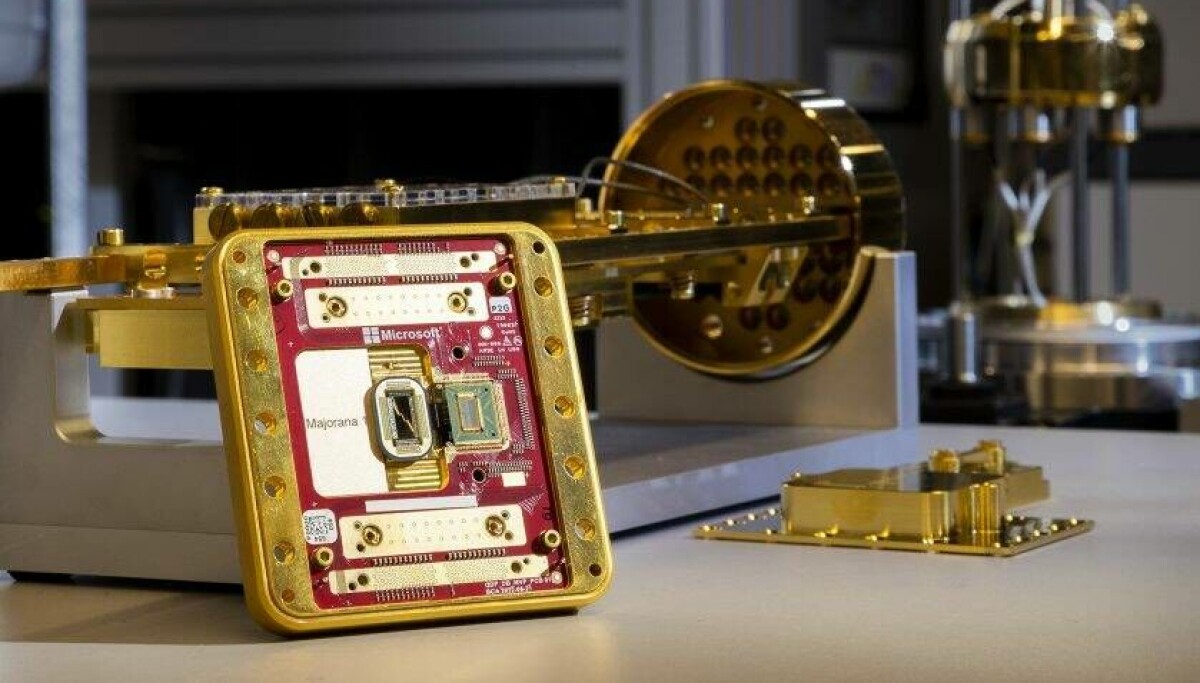
A St Andrews lecturer says one array bug sinks Microsoft's qubit (theregister.com)

Microsoft's code computed bias-axis symmetry with x[::-1], reversing array positions rather than the actual measured values. A separate filter, zbp_cluster_numbers=[1], plotted only the largest region; setting it to [1,2] surfaced data the paper omitted.

Legg's critique was accepted by Nature on April 20, 2026. Microsoft's Chetan Nayak calls the issues minor; the thread surfaced a 2016 Nature retraction caused by an equally small sign error.

The man who invented the red squiggle under misspelled words has died (devblogs.microsoft.com)

Microsoft's Raymond Chen wrote a belated obituary for Tony Krueger, who made spell-check run quietly in the background and drew the red squiggle that flags a typo as you type, with green later added for grammar.

A reader spotted the catch: Chen cites Wikipedia as proof of who did the work, and Wikipedia's current source for that claim is a link straight back to Chen's article.

Microsoft buys 20 years of gas power in a state drowning in cheap solar (chevron.com)

The plant sits where natural gas prices at the WaHa hub have gone negative, as low as -$9 per MCF, because there's nowhere to send it. Microsoft pledged to be carbon-negative by 2030, and just signed a two-decade contract to burn stranded fossil fuel at the wellhead instead.

Thirty years of Windows making 'open with what?' slowly worse (movq.de)

Windows 95 nailed it: a clean dialog that let you pick an installed program inline. That same flow survived through 98, ME, and 2000.

Windows XP added an online lookup that mailed your file extension to a Microsoft web service, now defunct. Windows 10 and 11 flattened everything into low-contrast boxes that surface a Store search first.

The thread fills in the gap the author skipped, and finds a working path he missed.

Windows 11's media player idles at 377MB doing nothing, and the experts say the real story is older and worse (extremetech.com)

By the article's own figures the modern player idles at ~377MB against ~103MB for the old one. The codecs it locks behind a fee, like HEVC, have been paid add-ons since the Windows 10 era.

The detail that stung an ex-Microsoft engineer: it's a native app with no web version that Microsoft still chose to build in HTML and JS.

🚀Tech ★ 260 · 💬 143 · Jun 21 · #big tech#programming#web#Dolby#HEVC#Microsoft+2

GitHub Trending: Today — iroh, Plane, LibreTranslate, Unciv, qlib (github.com)

Today's GitHub Trending: iroh, a Rust networking stack that dials a peer's key instead of an IP address; Plane, a self-hosted Jira alternative; LibreTranslate, a translation API you run offline; Unciv, an open-source Civ V remake.

Four of the five exist to delete a dependency: a relay server, a Jira license, the Google Translate API, an ad-funded app store. Their threads praise not features but the missing middleman — “I use dumbpipe daily”, “they don't call home”. The fifth, Microsoft's qlib, reached 44k stars with an empty comment section.

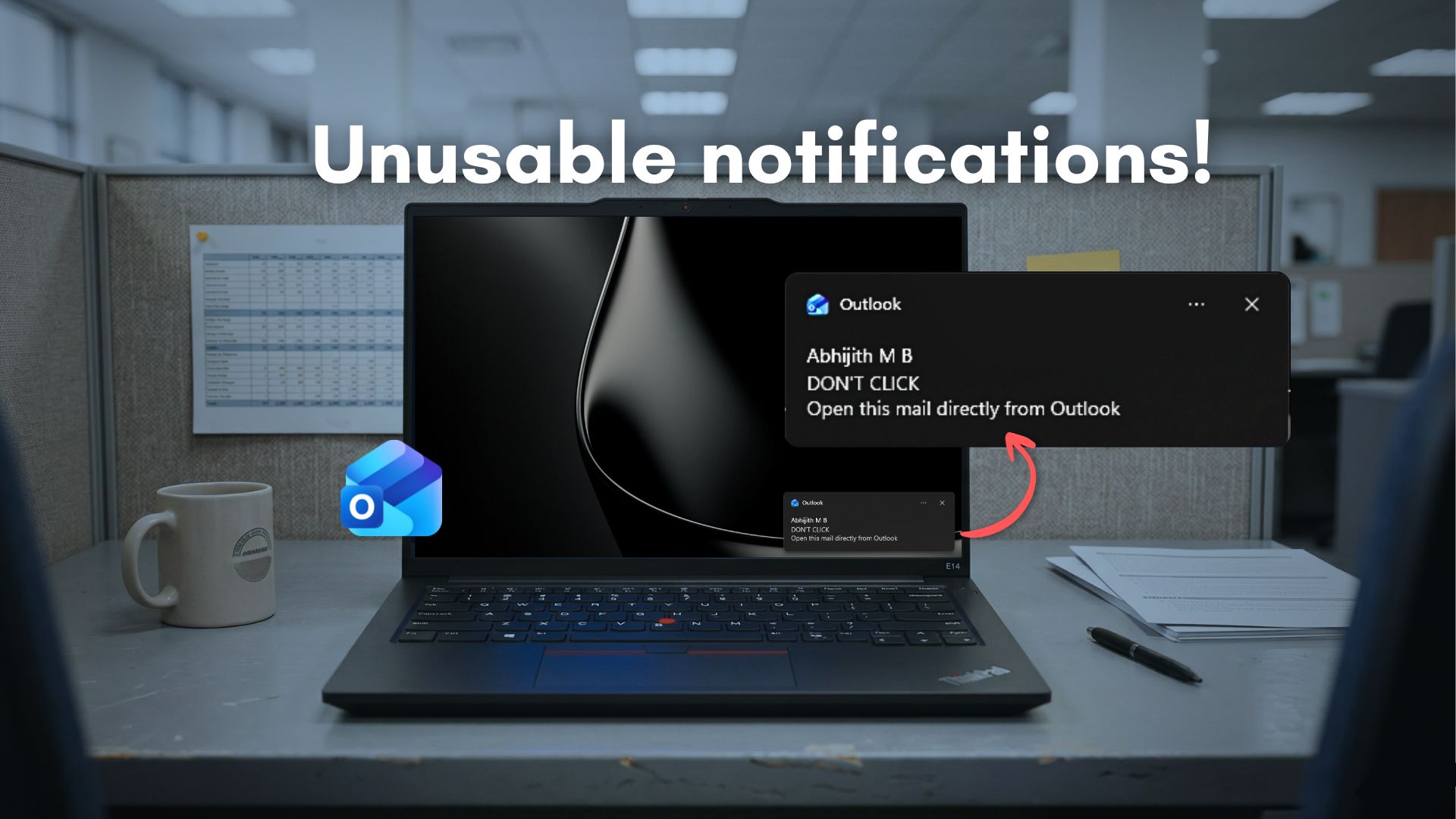
New Outlook needs 10 seconds and 10 processes for what Classic does instantly (windowslatest.com)

Windows Latest timed the new Outlook against the old one on the same machine: opening an email from a notification takes about 10 seconds in the new app versus instant in Classic. Idle, the new client sits at 490-636 MB of RAM across 10 processes; Classic uses 117-148 MB in one.

Microsoft blamed WebView2, the Chromium engine the app runs on. The thread's sharpest objection: Outlook for Mac is also web-adjacent yet feels native and fast, and Fastmail's web client beats Classic. So the engine isn't the alibi.

Why a button used to look like a button: in defense of Windows 2000 (movq.de)

A blogger walked through Windows 2000 screenshots with one point: anything you could interact with was visibly raised, framed, or white-backed, and scrollbars never hid to "save space." Flat modern UIs dropped those cues, so you tap around to find what's clickable.

One developer admitted it took him "an embarrassingly long" time to recognize an iOS toggle as a toggle. Others named why consistency died: the desktop user base stopped growing, so nobody funds native UI anymore.

60% of US consumers say 'AI' in brand messaging is a turnoff, and 61% can't name a brand doing it well (wpvip.com)

WordPress VIP's Future of the Web 2026 report polled 1,200 US consumers. Sixty percent treat 'AI' in brand messaging as a turnoff, 74% say the internet feels less human than ten years ago, and bot fatigue sets in after about 40 minutes online.

The thread's translation was sharper than the survey's. To consumers, one engineer noted, 'AI' has come to mean 'we fired employees to make more money and we don't actually care about quality' — and the fix is to stop saying AI and just describe what the product does.

📈Biz ★ 1.0K · 💬 529 · Jun 18 · #AI#economy#web#Copilot#Microsoft#OpenAI+1

GitHub commits on pace for 14x growth, so Microsoft rents AWS (runtimewire.com)

The kicker isn't 14 billion commits. It's that those are agent check-ins, not features shipped — agents now write to GitHub while they think, not after a human has.

One commenter recalls GitHub's founder telling a Microsoft exec years ago that Azure's virtual disks weren't fast enough on IOPS to host GitHub.

And the article making this claim is itself an AI-generated, mostly-empty React page from a self-described one-person, vibecoded site.

📈Biz ★ 154 · 💬 70 · Jun 17 · #AI#big tech#dev tools#Amazon#AWS#Azure+2

256KB of code to zero 64KB of memory, fixed mid-emulation (devblogs.microsoft.com)

Each write-byte instruction was 4 bytes. 65,536 of them meant 256 kilobytes of machine code to initialize 64 kilobytes of stack: a 4:1 code-to-data ratio.

Rather than run the bloat as written, the binary translator recognized the monstrous function and substituted the compact loop the compiler should have emitted.

The asterisk from the thread: maybe it wasn't a bug at all, and the fully unrolled version was actually faster on the real hardware.

GitHub Trending: Today — PowerToys, freeCodeCamp, Stable Diffusion WebUI, HackTricks, Meshery (github.com)

In today's GitHub Trending: PowerToys (Windows power-user utilities), freeCodeCamp (the 447k-star learn-to-code curriculum), Stable Diffusion WebUI (the original image-gen UI), plus HackTricks (a pentester's knowledge base) and Meshery (a Kubernetes manager).

What's notable is the absence: no new AI agent framework, no overnight viral repo. The youngest project here launched in 2022 and hasn't shipped a commit since March. Today's board is a roll call of incumbents, not a discovery feed.

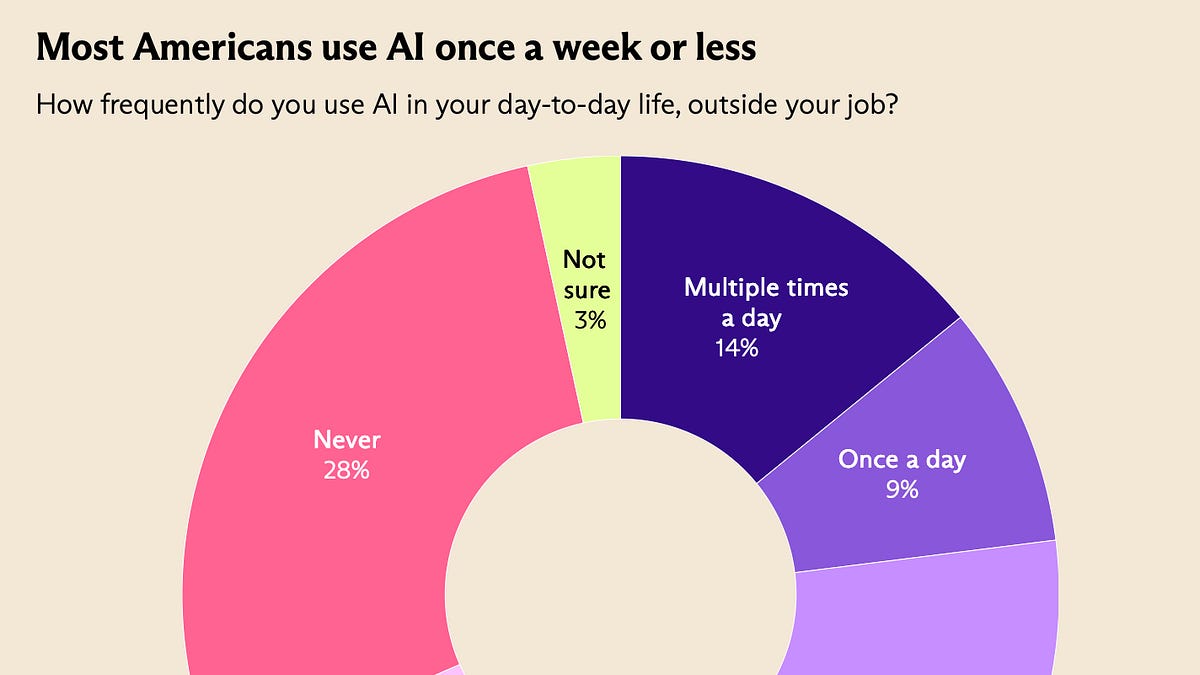
DuckDuckGo's founder shows up to argue 21% adoption isn't "everyone using AI" (gabrielweinberg.com)

Gabriel Weinberg's data: 86% of desktop users hit a search engine 10+ times a month; only 21% touch AI chat tools that often. His framing — people consume AI like they eat meat: some embrace, some limit, some avoid.

Simon Willison called the headline a strawman but flagged the Microsoft stat — 30% of the US working-age population using AI 90+ minutes a month — as "impressively" high. Then practitioners split on whether the tools even work.

GitHub Trending: Today — PowerToys, Astro, Homebrew, Coder, Ghostfolio (github.com)

Today on GitHub Trending: PowerToys (v0.100, new Command Palette Extension Gallery), Astro (the content-site framework on a slow burn to 60k stars), Coder (remote dev environments now pitching AI agent workspaces), Homebrew (just ended --no-quarantine support), and Ghostfolio (self-hosted wealth tracker).

Not one of the five is a GPT wrapper, a prompt collection, or a two-week-old repo with suspicious stars. On a platform overrun by AI side projects, that absence tells its own story.

Lines of code were a joke metric for 40 years. AI gave them a better publicist (curlewis.co.nz)

The post skewers a survey of 219 engineering leaders that produced 219 definitions of "AI-native." An OpenAI blog post bragged twice that an internal tool hit a million lines — without once saying what the tool does.

An engineer who works on the JDK at Oracle delivered the quiet correction: the rebrand is already collapsing, because CEOs noticed they were paying for code by the line and the lines weren't turning into profit.

Ben Thompson titled it 'The iPhone's Last Stand' — and then spent the piece arguing Apple is fine (stratechery.com)

The setup is a contrast in AI strategy — cloud-resident agents you reach through thin devices, versus a phone that hosts a ~20-billion-parameter on-device model with personal context.

Readers who know Thompson's track record flagged the title as clickbait and questioned his 'consumers don't want to work' premise as cynical.

The flip: a Siri that actually works would be an Apple advantage, not its last stand — and the iPhone gained share in a quarter with no AI marketing at all.

A worm called Miasma turned 70+ Microsoft repos into password-stealers for anyone using an AI IDE (techcrunch.com)

Open a poisoned repo in an AI coding IDE and a setup hook runs on its own, lifting your tokens. Harnesses like Codex or opencode reportedly dodged it.

The thread's correction to the headline: this isn't a hole in 'Microsoft's open source' so much as a supply-chain hit, and pulling 70+ repos fast was the right call, not the scandal.

A CISO's deeper worry: agents now juggle many unrelated projects at once, so the blast radius of one bad dependency just grew.

OneDrive now deletes data 12 months after a license is removed, holds and all (ms365news.com)

From early July 2026, Microsoft starts a deletion countdown on any OneDrive account whose license is removed. Read-only at 60 days, permanent deletion at 12 months, and crucially, an active retention policy or legal hold does not stop it unless licensing is restored first.

A commenter cut through the much-mocked, AI-sounding source blog to the official Microsoft notice, while others argued this was always how unlicensed accounts worked and the only real news is the explicit clock.

🌍Other ★ 159 · 💬 144 · Jun 9 · #Microsoft

A 'toy' that boots a Linux desktop inside a Windows app accidentally shows where Microsoft's stack is going (boxofcables.dev)

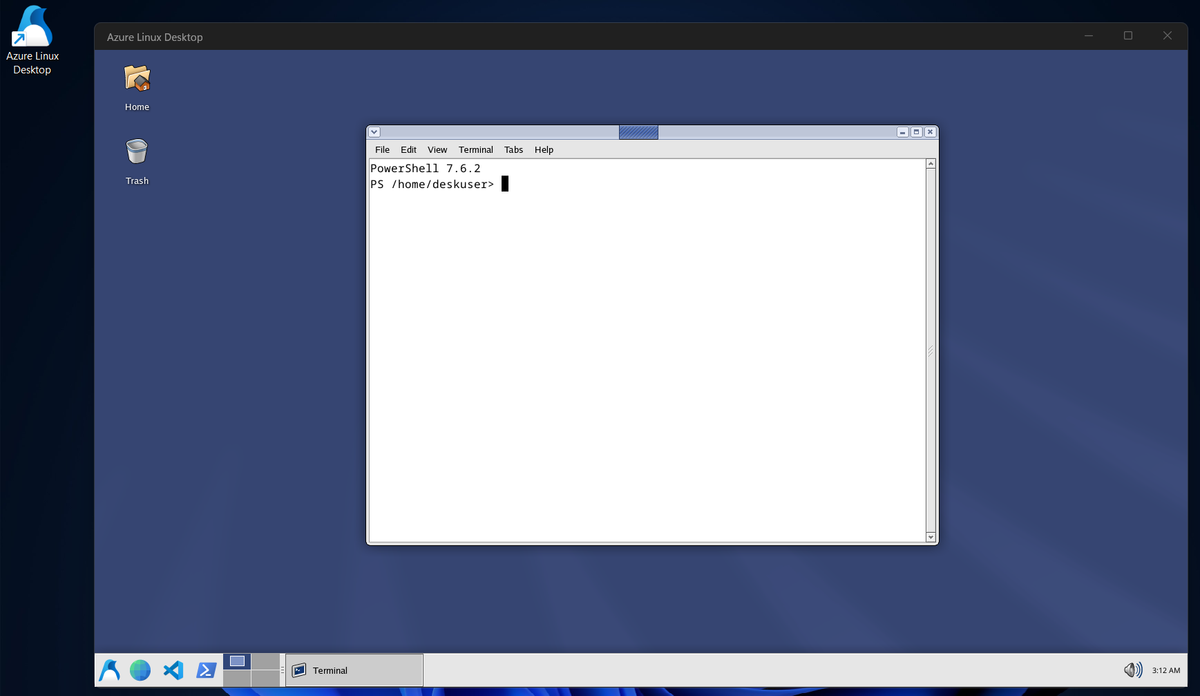
Hayden Barnes mashed four Build-2026 technologies — a new Linux container runtime, a code-first WinUI framework, Azure Linux 4.0 and .NET 10 — into a Windows app that auto-boots an XFCE desktop with audio, GPU and clipboard. Themed, of course, like Red Hat circa 2002.

🚀Tech ★ 69 · 💬 47 · Jun 7 · #big tech#dev tools#Microsoft

He fine-tuned a 7B model on 37 million words of 1990s Microsoft manuals for $50 (passo.uno)

Fabrizio Ferri Benedetti fed a small LLM three decades of out-of-print docs from Bitsavers and taught it to write like a 1995 SDK reference — full cross-refs, platform requirements, the works. The thread's best objection: the magic of old docs was never the prose, it was the depth, and you can't fine-tune that in.

🚀Tech ★ 181 · 💬 64 · Jun 6 · #big tech#Microsoft