Jane Street designer ditched Figma for Claude after 2000-line prototypes
Edwin Morris, a designer on Jane Street's options desk, stopped opening Figma two months ago. He now writes a problem description, pulls up Claude alongside a dev environment, and ships production-ready code directly — sometimes 2,000-line diffs — without a single mockup.
Morris built a JSQL input feature through iterative Claude sessions — button placement, keyboard shortcuts, confirmation copy — hitting 2,000-line diffs without a single Figma frame.
The thread flagged Jane Street's Anthropic investment immediately. Engineers pushed back harder: one said prototype-as-spec creates "extra cognitive burden" parsing generated code for intended versus accidental changes.
The counter: AI prototypes force stakeholders to spell out edge cases in actual text, which is more than a napkin sketch ever did.
Jane Street's Options-Desk Designer Stopped Using Figma
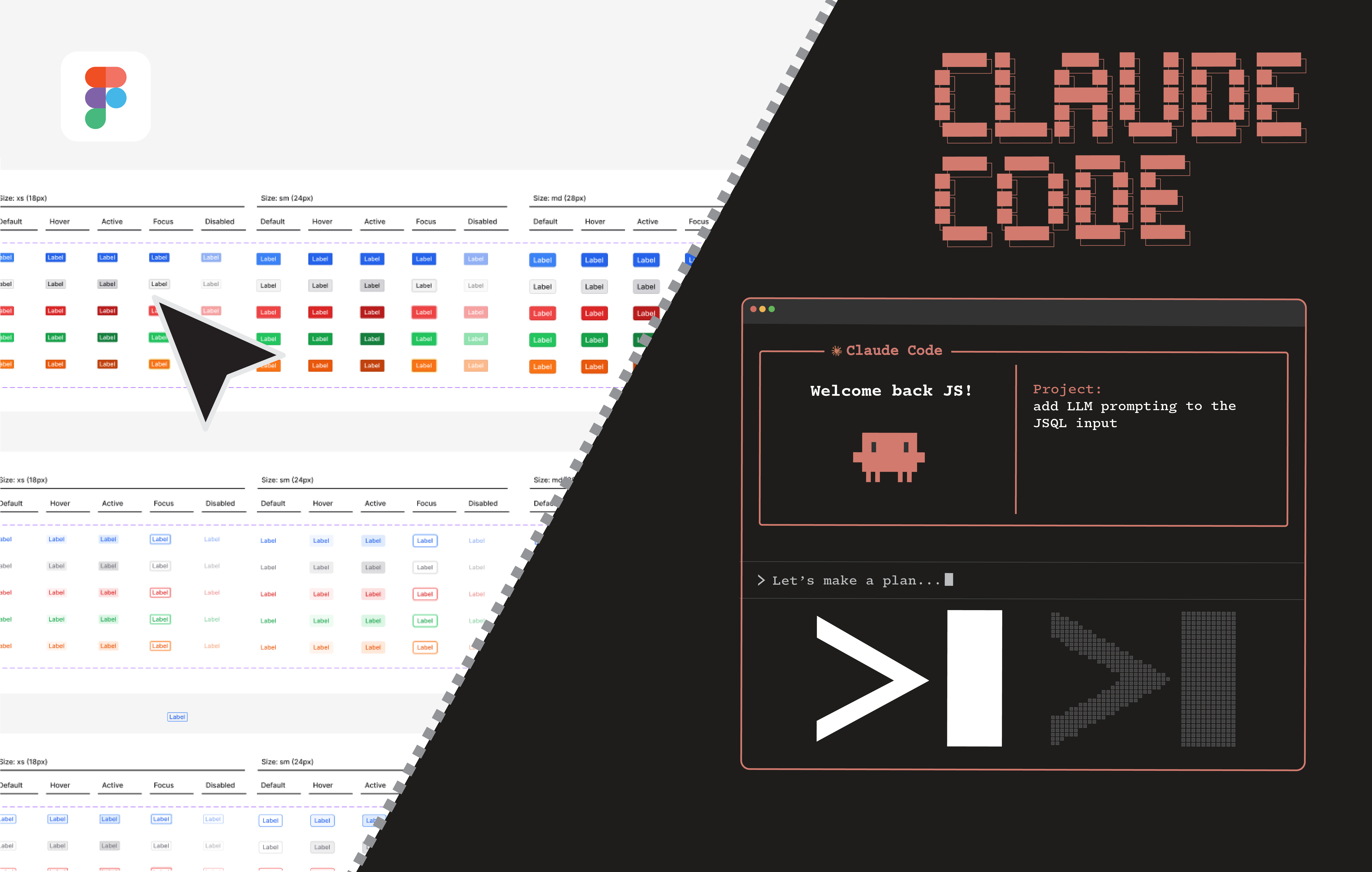
Edwin Morris is a designer on the options desk at Jane Street, and his blog post is not a manifesto — it is a field report. Two months in, he no longer opens Figma for feature work. His process: write a problem description, open an editor with Claude Code running alongside a development environment, build basic functionality, iterate until it looks and behaves correctly, then submit a feature — Jane Street's version of a pull request — for engineering review. Code disposable; reviewers own the production implementation.
What Morris Actually Built and Why It Worked
The concrete case is a JSQL input feature: adding LLM prompting capabilities to an internal SQL dialect tool used on the options desk. The prototype went through many rounds — button placement, keyboard shortcuts, error message copy, confirmation dialogs — entirely in Claude sessions. Morris reached 2,000-plus line code diffs on some features. His key claim: "Claude gave me free, unlimited iteration, unbothered when I changed my mind for the 50th time." (That line drew immediate commentary in the thread about whether he was literally paying for Claude — the answer is yes, but the point was creative latitude, not billing.)

Morris also names a tension he has not resolved: working prototypes may limit design creativity. He worries that "designing with Claude keeps me out of a fluid, creative mindset and stuck in an iterative one, constrained to the outcomes I think Claude can produce." For mature tooling, iteration is the job. For genuinely new concepts, he is uncertain whether starting in code forecloses options that a blank page would not.
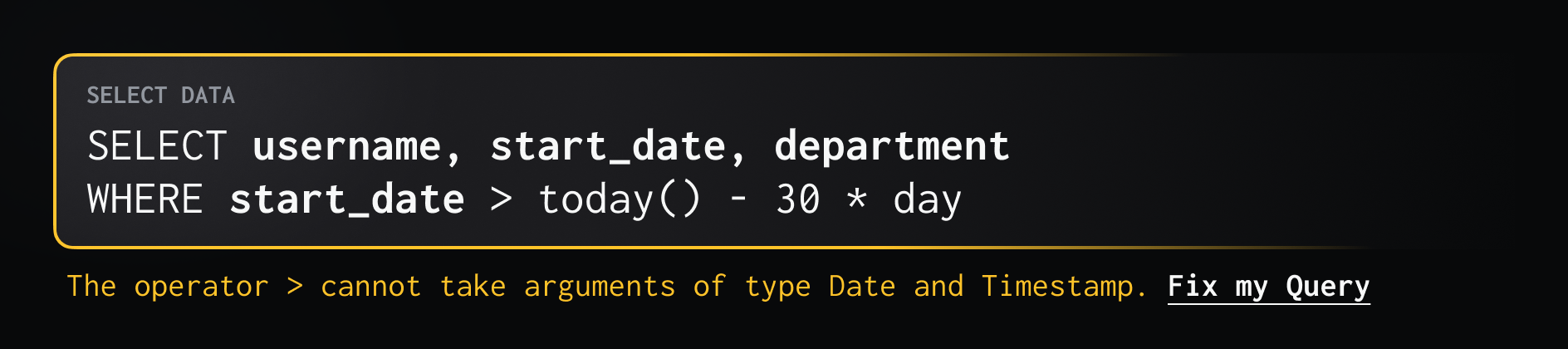
The prototype governance model is explicit: prototypes are living proposal documents, the code is disposable, and reviewers take over the idea and implement it in a separate feature referencing the prototype. This is meant to prevent the obvious failure mode — someone treating a generated PR as production-ready.
The Thread Corrects, Extends, and Complicates
The first top-level comment flagged the conflict of interest: a commenter who noted Jane Street's Anthropic investment wrote "take it fwiw," which set the skeptical tone for much of what followed. The reply chain debated whether an investor's employee's blog post constitutes a psyop or just a mildly interesting workflow note.
More substantive pushback came from a frontend engineer who had already lived through the prototype-as-spec transition at his team:
"Written specifications are being reduced in favor of these working prototypes, and now there's this extra cognitive burden of reading the code and trying to determine what were the intended changes, and what's the slop that needs to be tossed aside… There have been times where a bunch of unintended changes were generated and I took time to port them over on my reimplementation, and then later on it's 'oops! Sorry! We didn't mean to change that.'" — a frontend engineer on his team
A contrasting reversal came from a commenter who has seen vibe-coded prototypes arrive from business stakeholders:
"Claude has already prompted them about edge cases and design decisions. It's very likely that at some point they had to explicitly tell Claude 'don't worry about that and just make an assumption'… They had to write out much of their idea in clear and direct language in order to prompt the AI." — a developer describing AI-assisted stakeholder prototypes
His read: the prior state — stakeholders arriving with half-formed "Rube Goldberg" requirements expressed only in speech — was already bad. A Claude-built prototype at least forced articulation of edge cases in text.
A designer commenter offered a structural critique of the article's framing:
"I think the designer here takes a wrong approach and sort of falls into engineer envy where he wants to make prototypes as deep and realistic as possible. And that is not really the most important part of the design job. The most important thing is that the right thing gets built." — a commenter familiar with Jane Street's technical culture
A senior engineer who described using the same code-prototype approach before AI offered a useful calibration: "Now with Claude Code it's even faster to build the throwaway prototype. But not a huge difference since discussing with the users and thinking about how it should work is 80% of the time. Claude maybe halves the other 20% compared to quickly doing it yourself."
The Real Shift Is Governance, Not the Tool
Morris's workflow is not controversial because he uses Claude instead of Figma. It is controversial because it collapses the boundary between design artifact and engineering artifact, which means the social contracts around ownership, review, and disposability have to be renegotiated explicitly. Teams that do this with clear rules — prototypes are proposals, reviewers own production — can make it work. Teams that don't will discover that "95% done" is not a percentage, it is a negotiating position.
Get breakdowns like this every day
The top Hacker News stories, unpacked — by email, Telegram, or RSS.
Stop Killing Games petition hits EU threshold; publishers still hold the IP
Gamers across Europe have signed a petition demanding that publishers release server code or offline patches before shutting down online games — a product you paid for that becomes a brick when servers go dark. The BBC covered the movement; the HN thread immediately broadened it to smart ovens, ebooks, and the DMCA.