When your game console was the family's only way onto the web
Before smartphones, the cheapest door to the internet in many homes was a games console. A history of console browsers — from the CD-i to the PS5 — drew out a wave of memories, including a PS5 browser so locked down that sending yourself a link can earn a PlayStation Network warning.
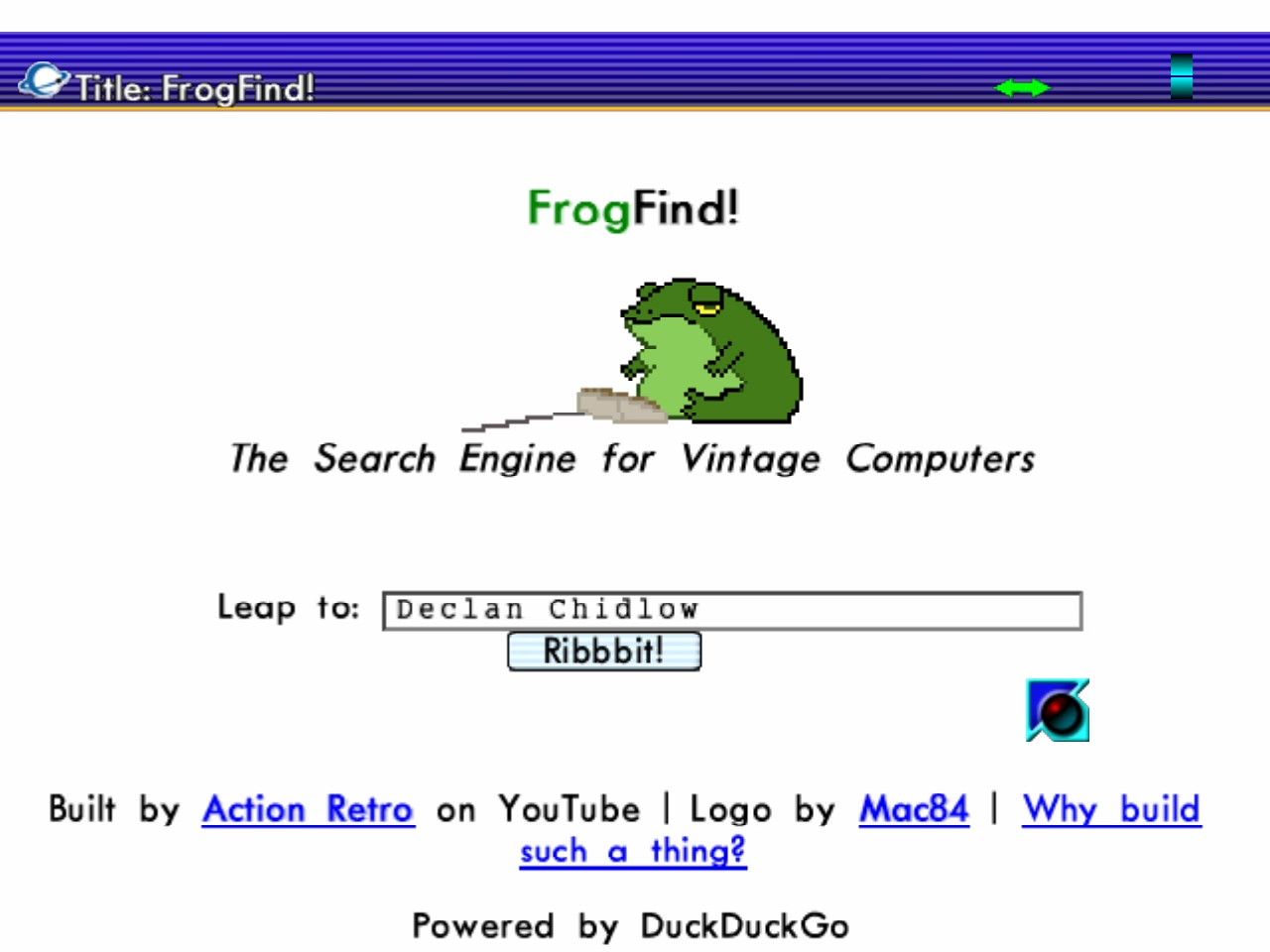
The Dreamcast, Wii, DS and Wii U all shipped browsers, many powered by Opera scaling its engine onto tiny hardware. The Wii U turned its GamePad bookmark menu into a literal animated book.
The nostalgia carried a real complaint: we lost console browsers just when they'd be useful — one network admin wishes he could still run a speed test from a console to debug support calls.
The console as the household's first modem

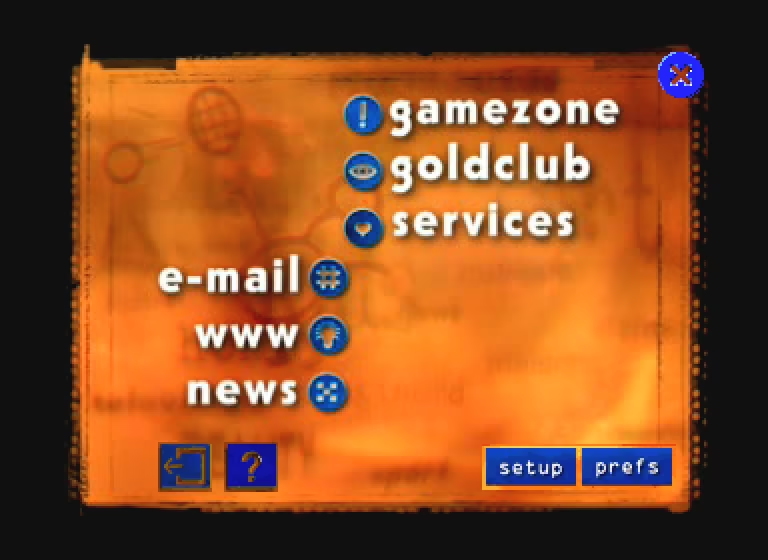
The essay traces official web browsers across roughly twenty systems, from the CD-i (1995), Sega Saturn and Apple Bandai Pippin (1996) through the Dreamcast, PS2, DS, Wii and PSP, up to the PS5 and Switch. Its thesis is that console browsers "were initially very much an attempt to provide a cheap gateway to the web for a casual audience lacking technical expertise" — and that they've gone obsolete now that general-purpose internet access is everywhere.
The hardware that punched above its weight
The memory the thread kept returning to was Opera's reach. A commenter marveled at it:
"The browser on the Wii was amazing… it was amazing to see how well their engine scaled to all kinds of systems."
The Wii U browser, in particular, was a quietly capable machine. A developer used its MP4 playback as an impromptu media bridge — "Running the http-server npm package, I was able to get video from my laptop to the TV in a pinch." Another catalogued its game-like input quirks: the browser read button and stick state, but with no preventDefault(), pressing B would just navigate the page backward.
The locked-down present
The sharpest modern anecdote showed how far the door has closed. A cyber-security professional described the PS5's hidden browser and Sony's war on it:
"You can't access it as an app… but it appears if you click a URL from a message. So people were sending themselves 'google[.]com'… I sent a message to myself recently, the link wasn't clickable, and I got a message to say my PlayStation Network account had received a warning and could be suspended if I did it again!"
What we lost by winning
The essay frames the disappearance as natural progress, but the thread mourned a practical casualty. A network admin who fields support calls wants the browser back for the dumbest, most useful reason:
"We can't run a proper speedtest to the world from the console to figure out if it's the gaming provider or the Internet connection… Throw some of us in support a bone."
The whole history rhymes with that. A developer remembered hand-building sites for the 3DS browser's viewport; others remembered the Dreamcast browser as their first unsupervised window onto the web. The console browser was a kludge — slow, weird, WEP-only — but for a lot of households it was the entire internet. We didn't retire it because it stopped working. We retired it because everyone finally got a better door, and then the consoles bolted theirs shut.
Get breakdowns like this every day
The top Hacker News stories, unpacked — by email, Telegram, or RSS.
Pool money behind a prompt and an AI builds it in public. The thread smelled a rug pull
FablePool lets strangers crowdfund a single prompt — pledge from 25 cents, and once a project clears its target an AI agent builds it in the open on a public ledger. The first sample came in over its own estimate. The thread liked the idea and trusted nobody behind it.