A loader poured thousands of library books into a dumpster. Then the librarians explained why
Sheila Liming watched a green dumpster appear overnight behind her university library, and a construction loader feed thousands of deaccessioned books into it. The shelves were being cleared not for more books, but for space itself.
Her sharpest loss isn't the text — it's the marginalia. Studying Edith Wharton's annotated books taught her that a careful reader's notes in the margins are a conversation with the author, and that conversation goes in the dumpster too.
Then a librarian flipped it: this is routine collection management, not a tragedy. The same week, that exact library acquired one of 11 surviving copies of a 444-year-old book. The fight in the thread is over what a library is actually for.
The dumpster behind the library, and the argument it started
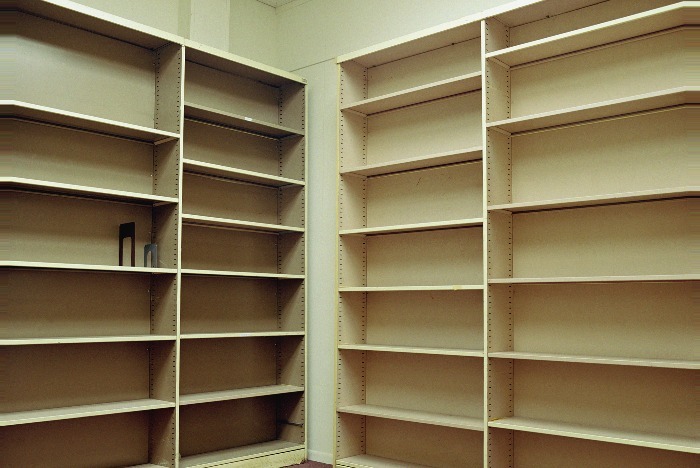
Sheila Liming's Yale Review essay *The End of Books* opens on a scene: a big green dumpster that appeared overnight behind the university library where she taught English, and a loader pouring thousands of books into it. The HN title is her first line; the 161-comment thread it provoked is the real story.
What Liming actually mourns: the marginalia, not the paper
The books were being deaccessioned (formally removed from the collection) as the library was renovated. The detail that stings, quoted straight from the essay by one reader: the shelves were "being cleared to make space — not for more books but for space itself," and the new library has four floors, only two of which hold books.
Liming's loss isn't sentimental attachment to objects. It's specific. Her scholarship on Edith Wharton's annotated books taught her that a reader's marginalia (the underlines, the arguments in the margin) are a record of a mind in conversation with the text. Digitize the words and you keep the text; you lose that second voice entirely. That's her case for why a dumpster of "redundant" books is not the same as a backup.
"Sensationalism. That's routine collection management."
The loudest counter came fast, and it reframed the whole essay as melodrama:
"Sensationalism. That's routine collection management." — a commenter who linked a second story about the same library
The link mattered: that same library, the Chester Fritz at the University of North Dakota, had recently acquired one of the 11 remaining copies of a 444-year-old book. A library that throws out unread paperbacks and buys a near-priceless rarity isn't a library that hates books. It's one making choices about scarce shelf space.
Someone who'd done the job from the inside backed that up:
"I used to work in a library… Our basement was stuffed to the gills with romance novels that nobody was reading anymore… you could still get those books through interlibrary loan… I never heard of anyone missing a book that had been disposed of." — a former library worker
The rebuttals: a bequest isn't a paperback, and ILL isn't browsing
The pushback got specific. An academic drew the line the "routine" defense glosses over:
"Disposing of books bequeathed by a major historical figure, with that person's underlining etc., is not routine collection management… disposing of books when there are not actually space limitations… is so new a phenomenon that it shouldn't yet be called routine." — an academic who reads mostly on a Kobo
A second reader attacked the "just use interlibrary loan" answer at its weakest joint, discovery:
"interlibrary loan is awful for browsing… A book hidden in a box in the basement, or which arrives after only a few days, might as well not exist at all." — a reader who goes to libraries to find works, not request them
And one reader found the structural flaw in the comforting "some other library will have it" logic:
"These libraries do not coordinate the deaccessioning. If it ever gets down to 2 copies, there's a non-zero chance that they will deaccession their copies simultaneously, and then there are none." — a commenter questioning whether anyone checks before discarding
His fix has a name in the thread: a "last copy" policy, where every system keeps at least one of each title it ever held. "Any which can't afford that need more funding," argued a reader who grew up with a county library that was a single carrel of paperbacks.
What the dumpster is really about
Strip away the emotion and the thread is arguing about a definition. If a library is an access service, then weeding unread copies that exist elsewhere is good hygiene. If it's an archive of the record, including a dead reader's notes in the margins, then a dumpster is a small, irreversible deletion. The essay and its loudest critic are both right, because they're describing two different institutions that happen to share a building. The scene that makes it visceral is the one Liming led with: not a debate about policy, but a loader, a dumpster, and books going in face-first.
Get breakdowns like this every day
The top Hacker News stories, unpacked — by email, Telegram, or RSS.
Earth may have manufactured its own oceans, not imported them from comets
For decades the answer was 'comets and asteroids brought the water.' A new idea: a young Earth, covered in magma, made its own — hydrogen from the early atmosphere reacting with oxygen in molten rock, under crushing pressure.