Papermark says a YC startup didn't vibe code its data room, it copied source
The accused founder, Nico Laqua, met the public copyright callout with "team effort" and a pair of praying-hands emoji. His company's defense: we didn't copy any code, dataroom was built from scratch with inspiration.
Papermark, the open-source DocSend alternative, went public on X accusing a YC-backed founder of passing off its AGPL code as a fresh "vibe coded" product, demanding the data room come down as license-infringing fraud.
The thread split fast. Some pointed out you can't "steal" open source if you keep the license; others noted AGPL forces you to publish your own source the moment a user touches it over a network. The screenshots showed whole pages copied verbatim, design and text.
A copyright demand, posted as a tweet instead of a C&D
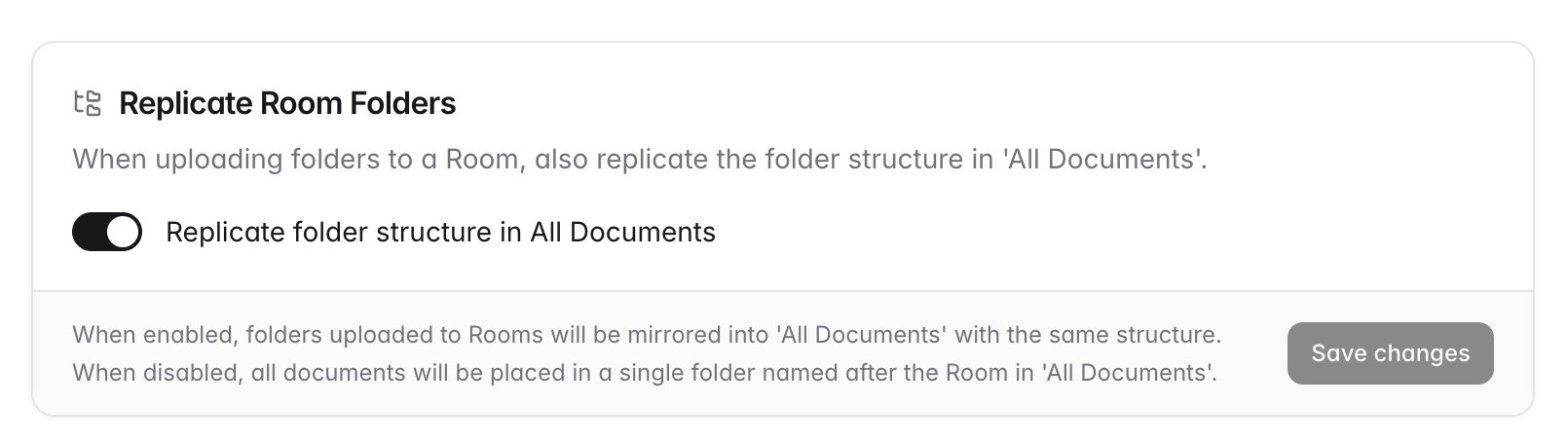
The founder of Papermark, an open-source alternative to DocSend for sharing documents and tracking who opens them, turned a private dispute into a public callout on X. The post named a YC-backed founder, Nico, and accused him of dressing up copied code as an original AI-built product. Because the original link works poorly without an X account, one reader reproduced the wording in the thread:
"It looks like you didn't vibe code your data room but stole it from Papermark's open source and enterprise-licensed code. We demand you take this copyright and license infringing product down immediately. It's not moving fast and breaking things, it's fraud."
The sharpest part of the accusation isn't the copying, it's the framing. "Vibe coding" means shipping software written mostly by an AI model from prompts, and that was the cover story. The Papermark side says the data room wasn't generated at all; it was lifted. The X thread carried screenshots of the two products with what readers described as identical pages, the same layouts and the same copy.
The license is AGPL, and that changes what "copy" costs
Much of the HN argument turned on a detail the headline buries: which license Papermark ships under. An engineer pulled it up directly.
"License in question … It is AGPL … You have to share the source code even when the user interacts over the network with the software. The project which uses that code, must also be AGPL." — an engineer who linked the repo's license file
The same comment added the nuance that decides the case: there are legitimate ways to design around AGPL, and Papermark's enterprise license is separate from the open one. So "copied" and "infringing" are not automatically the same claim. AGPL is the network-copyleft license that pulls in SaaS use, not just redistribution, so it is precisely the license a founder cannot quietly fork into a closed product.
That pulled out the contrarians. One regular reaction held that open source can't be stolen at all if the terms travel with it:
"Unless you don't copy the license terms, it's impossible to 'steal' open-source code. That's… sort of the point." — a commenter with 7k karma
The rebuttal, also in the thread, was that the AGPL terms are exactly what wasn't carried over. Keeping the source closed while serving the code over a network is the violation, not the copying itself.
What Nico's side actually said
The accused didn't go quiet. A reader who'd founded a venture fund surfaced the official response and quoted it:
"The team that made dataroom has stated that they did not use any of papermark's code and that dataroom was made from scratch with inspiration from existing document sharing softwares, and that this post's allegations of us stealing code are false."
He wasn't convinced. His read: the denial is carefully narrow, we didn't copy the code, while the screenshots show whole pages reproduced verbatim, design and text. "It might not be enough to get sued. That doesn't make it right." Others in the thread were blunter about the founder's casual replies to the accusation, which reportedly amounted to "team effort" and a pair of praying-hands emoji.
One voice pushed back on whether any of it is even enforceable:
"The X link has screenshots where the two products have lots of identical pages. Is that IPable? … the pages for obscure things looking identical is kind of sus." — a commenter with 5k karma
"Another YC popcorn fest"
For a chunk of the thread the specifics mattered less than the genre. The dispute read as a recurring one: a founder ships fast, an open-source maintainer recognizes their own work, the fight goes public. "Ah another YC popcorn fest," one wrote. A harsher line framed it as the era's default move:
"tech will do anything to normalize theft and call it innovation" — a commenter who joined the thread days after it broke
The useful asterisk under all of it: nobody outside the two companies has confirmed the code was copied. The screenshots are damning on design and copy; the legal question of whether identical pages for a niche product are protectable is genuinely open. What the thread did settle is the rhetorical shift "vibe coding" enables. When an AI is the plausible author of anything, "I built this from scratch" becomes a much harder claim to disprove, and a much easier one to make.
Get breakdowns like this every day
The top Hacker News stories, unpacked — by email, Telegram, or RSS.
A VPN company says the Pentagon's own line proves there's no privacy left
Mullvad's essay quotes a senior Defense Department official telling staff to make no assumptions about anonymity: "You are not anonymous on this planet at our existence." The piece argues democracies and dictatorships are now racing to out-surveil each other.