Organic Maps hit 6 million installs — and the thread points newcomers to its fork instead
Someone posts a plain link to Organic Maps, the offline, no-tracking OpenStreetMap app. Within minutes the comments are redirecting people to CoMaps, the year-old fork born from a fight over who runs the project.
The pitch is clean: 100% of features work offline, no ads, no registration, verified tracker-free, 6 million installs by December. Then a CoMaps contributor shows up in the thread recruiting iOS developers, and others start listing why the community walked out a year ago — quietly added ads, a slice of code turned proprietary, donations that allegedly went missing.
The awkward footnote from a long-time user: even fans admit the search is so bad they keep crawling back to Google Maps.
The happy landing page hides a governance war
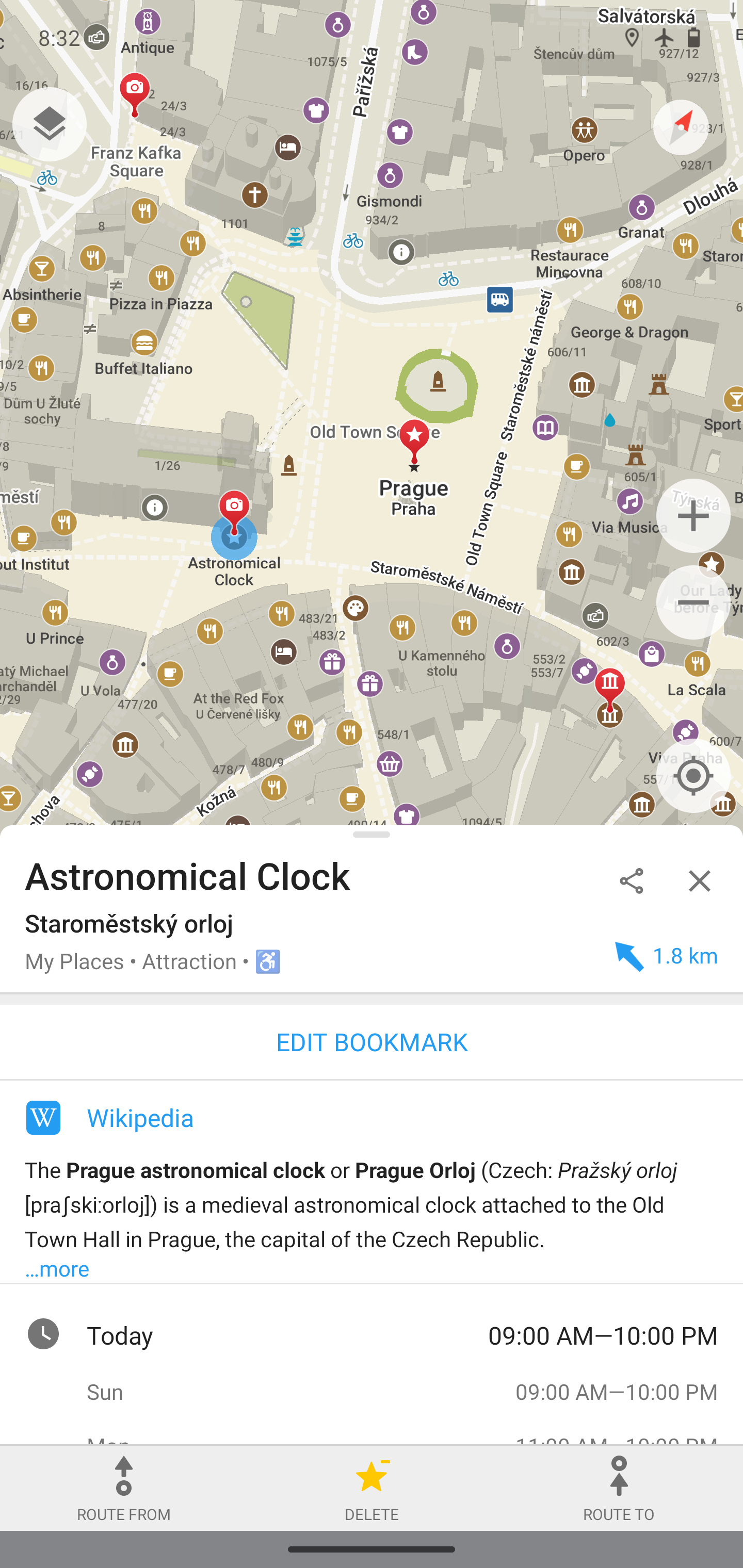
Organic Maps sells itself on three promises: every feature works with no internet, there are no ads or tracking or accounts, and it's open source under Apache 2.0. It's built on OpenStreetMap data by the original Maps.Me team, claims 6 million installs by December 2025, and cites the Exodus Privacy Project and TrackerControl as having verified it ships zero trackers. For hikers and travelers it does turn-by-turn voice nav, elevation profiles and CarPlay.
That's the product. The HN thread is about something the page never mentions: most of the people who built that community don't use it anymore.
Why half the thread answers "use CoMaps"
The reversal arrives fast, and it arrives from inside. A contributor to the fork surfaced to explain what it is and to recruit help:
"There's a fork from one year ago, CoMaps, that is gaining different features … I am adding CarPlay Dashboard support that you can test by joining the TestFlight … We're racing to get scene lifecycle support by September" — a CoMaps iOS contributor working on CarPlay
CoMaps split off after a governance dispute, and the accusations against the parent project in the thread are specific, not vague grumbling:
"OM has a long history of malicious behaviour like quietly adding ads, turning a part of its previously open sourced code proprietary and misappropriating donations. OM has lost most of its community a year ago to comaps" — a FOSS advocate who links his own GitHub
Even the "open source" and "no trackers" framing got a precise asterisk from someone who reads F-Droid's packaging metadata:
"FDroid mentions the following: "This app contains non open source components - compiled binary data files (including but not limited to .mwm map files) under a non FLOSS license"" — a commenter reading the F-Droid packaging notes
The complaint that outlives every fork
Underneath the politics sits a plainer problem that no governance model fixes. A user with 21k karma who has tried to switch many times kept hitting the same wall:
"I still don't get how people can actually use it every day and say it replaces Google Maps when its search feature totally stinks … always had to give in to Google Maps because the search totally failed." — a repeat attempted switcher
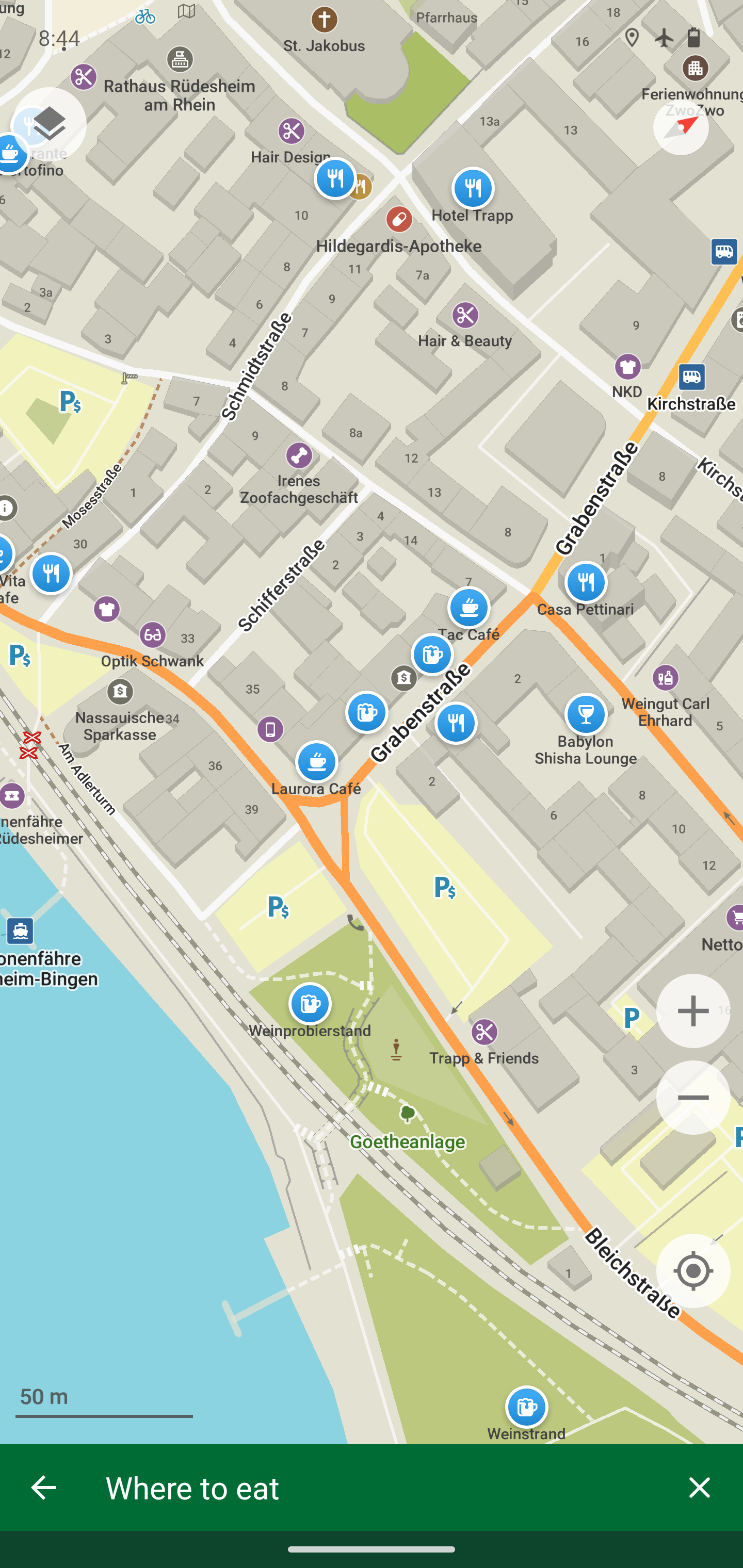
So the real state of play is two forks racing to add the same features while sharing the same weakness. If you want the privacy story, the tracker audits are genuine — but the more active roadmap is now CoMaps, and whichever you pick, budget for the moment you'll need Google to actually find an address.
Get breakdowns like this every day
The top Hacker News stories, unpacked — by email, Telegram, or RSS.
"Web crypto is always snake oil" — and the cryptographers show up to disagree with each other
Hugo Landau's argument is one sentence: a cryptosystem is broken by design if the code that encrypts your messages is handed to you by the very party you're hiding them from. The thread splits the room.