MapQuest now draws Flock license-plate cameras on its map, and announced it with 'Somebody's Watching Me'
A toggle beside traffic and incidents shows surveillance cameras near you. It covers Flock plus nine other vendors.
The layer includes Motorola's Vigilant, Genetec, Axis, Axon, Leonardo's ELSAG, Neology, Rekor, PlateSmart, Ubicquia and Verkada. Engadget does not say where the locations come from or how many are mapped.
What the new layer shows
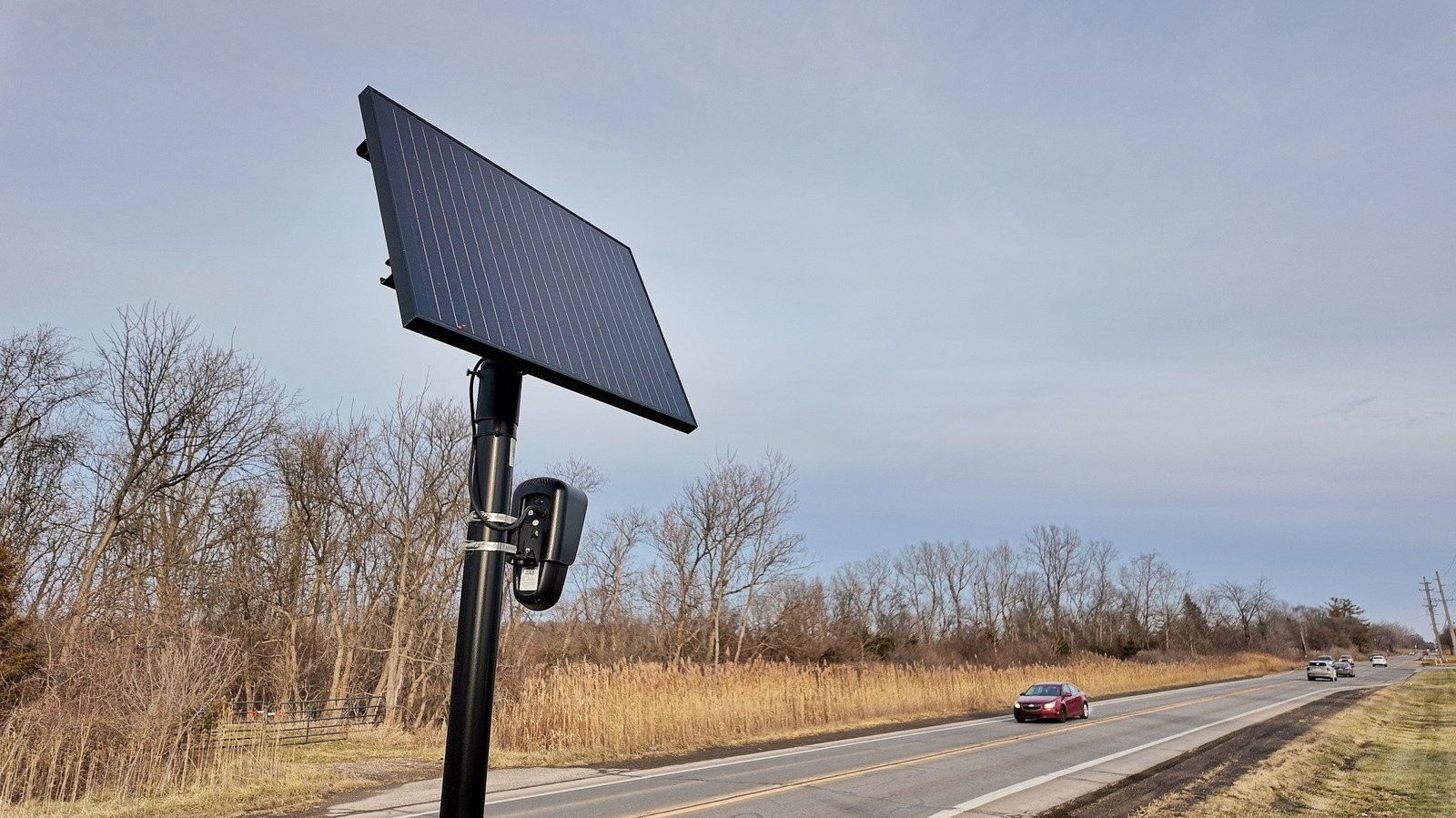
Engadget reports that MapQuest added a toggleable layer of known outdoor surveillance cameras and license plate readers, next to its traffic and incident options. The feature was announced in a short video set to Rockwell's "Somebody's Watching Me". Engadget does not say where the locations come from.
The thread answered the provenance question
Commenters did. A contributor who maps plates himself said the data is crowdsourced:
"This shows the license plate readers i added last week on openstreetmap so we know where the data comes from." — K2h, a California engineer and OpenStreetMap contributor
They added that the generic readers they mapped also appear, so "its not just flock on their map", and that on web they could not find the toggle and used the iOS app (layers / surveillance). Another commenter flagged the weakness of that sourcing:
"anyone can plot a camera via these apps whether or not one is actually there or not. I know that OSM community has been dealing with a lot Flock related vandalism because of these apps." — willmeyers, an HN user who knows the OSM community's moderation load
So the layer inherits OpenStreetMap's strengths and risks: fast, volunteer-driven coverage, but with no guarantee a dot is a real camera or that a real one is mapped. Use it to see roughly how dense the cameras are, not to prove one is absent from a route.
Get breakdowns like this every day
The top Hacker News stories, unpacked — by email, Telegram, or RSS.
Llmspeed estimates how fast a local model will feel on about 30 devices before you buy one
Pick a GPU, Mac or CPU-only setup and a model, and the site shows an estimate drawn from community benchmarks. The estimates cover short prompts on a single device.