The FCC wants your ID to buy a phone. People who live under such rules say it doesn't stop scammers
A proposed rule would make telecoms collect a government ID and address from every customer to fight scam callers. Commenters from Russia and China report the same regime there — and worse scam calls.
The proposal ends anonymous prepaid phones by requiring ID and address at signup or renewal, with extra data for business and foreign customers.
The reality check came from people already living it: in countries with SIM real-name rules, scammers buy your leaked personal data cheaply and use it to make calls more convincing, not less.
And a former Google employee noted the same plumbing is how Iran tiers internet access.
The proposal
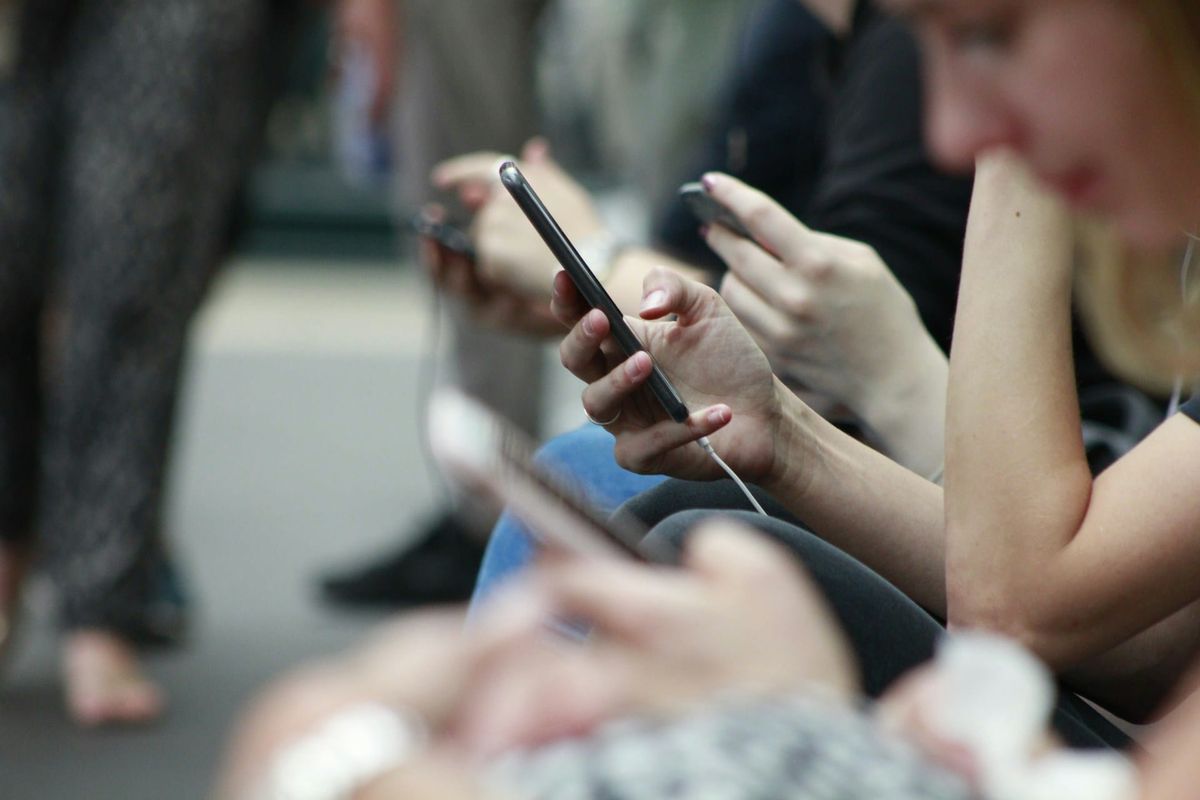
404 Media's report (by Joseph Cox) describes an FCC proposal that would require telecoms to collect a government-issued ID number and physical address from all new and renewing mobile customers — effectively ending the anonymous prepaid "burner." For business and foreign customers, carriers would additionally collect intended-use data and IP addresses. The stated rationale is fighting scam callers. The piece quotes the ACLU's Jay Stanley comparing the move to SIM-registration regimes in authoritarian states, and warns of harm to domestic-abuse survivors, journalists, and low-income users.

The people who already live under this rule have bad news
The most valuable voices in the thread were from countries where SIM registration is old news — and where it didn't fix scams.
"As a Russian: huh, you guys could still just buy a sim card without any kind of identification? … We had that ID requirement introduced way back in the 00s." — an Android developer formerly at VK and Telegram
"After the implementation of SIM card real-name registration in China, scam calls can accurately state your personal information." — a commenter on China's experience
The mechanism is the cruel twist: registration concentrates personal data that then leaks, and the leak makes fraud more convincing, not less. The rule that's supposed to protect you arms the caller with your name.
"Telecoms can't be trusted with the IDs" and "it won't stop spoofing"
Two practical objections recurred. The first is custody: the carriers asked to hold this data have already lost it.
"AT&T left my name, address, social security etc in an improperly secured database … they had retained the information after I closed my account." — a commenter recounting a real breach
The second is efficacy: most scam calls are spoofed from abroad, which ID-at-signup doesn't touch. And the surveillance-creep worry was put bluntly by someone with insider perspective:
"This is the pathway Iran is using to provide tiered internet btw. Just putting it out there on how quickly this tech turned against the population." — a former Google employee
One commenter even found and posted the FCC comment-filing link so people could weigh in. The thread's verdict wasn't partisan. It was empirical: the countries that ran this experiment got more identifiable victims and the same scam calls.
Get breakdowns like this every day
The top Hacker News stories, unpacked — by email, Telegram, or RSS.
Albania froze $195M of a $4B resort deal after excavators moved before the environmental review did
A development on Sazan Island and the Vlora coast, tied to Kushner-affiliated and Gulf investors, triggered seven days of 'Flamingo Revolution' protests. Prosecutors froze accounts; the EU sent a warning.