'Solar saved Europe $135M a day' is a real number — but it's fuel not bought, not money in your pocket
SolarPower Europe says the continent's solar fleet avoided over €11B in fossil-fuel imports since March. The thread did the capex math the headline skips, and explained why German power is still expensive.
The figure compares actual solar output against what the fuel to replace it would have cost — about $135M a day over roughly 100 days.
The correction: that's avoided imports, not net savings. It excludes the hundreds of billions in panels and the grid costs of intermittency.
And a neat aside on why solar-heavy Germany still pays a lot: marginal pricing means the most expensive plant still running sets the price.
The claim
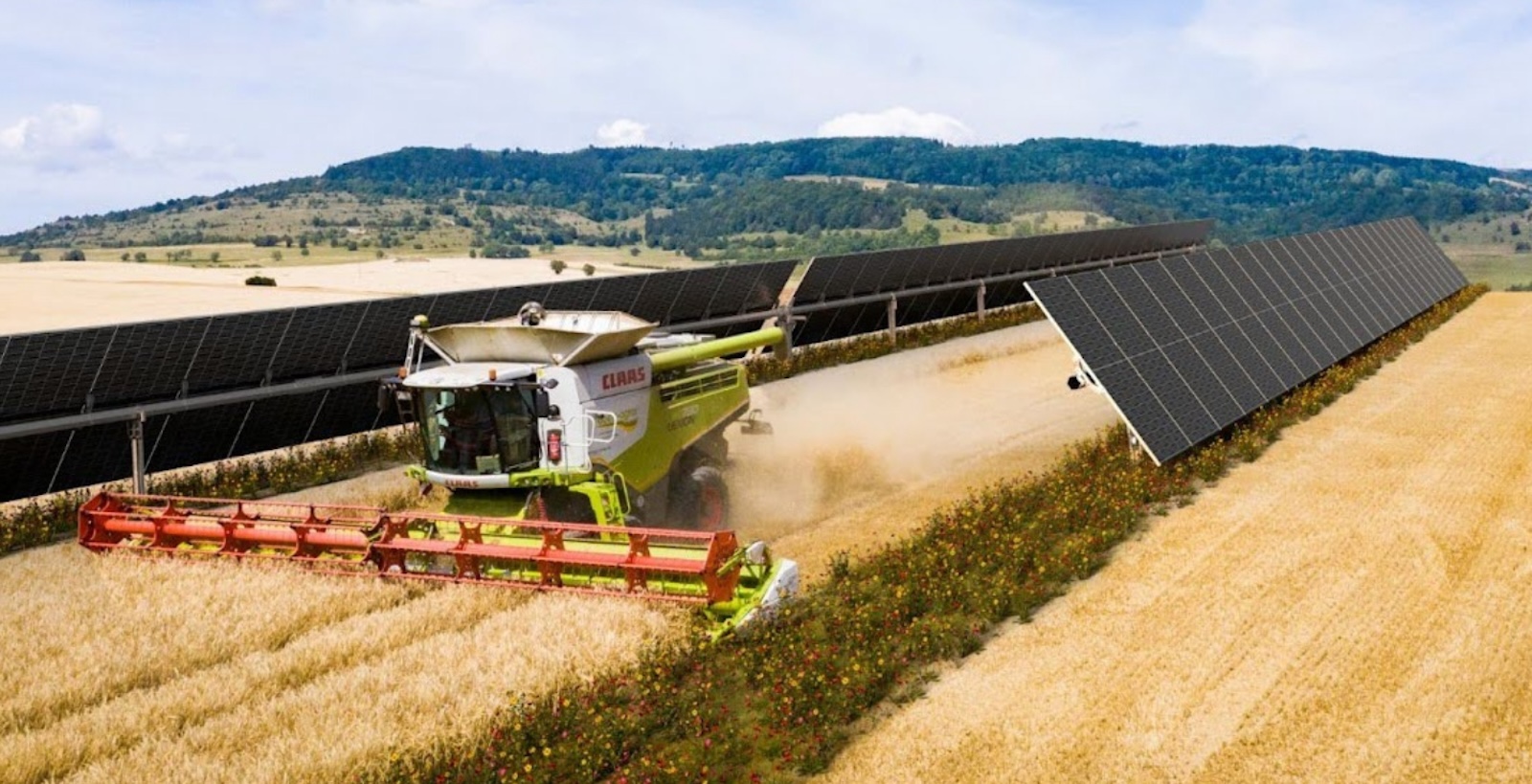
CleanTechnica reports, citing SolarPower Europe, that since March 1 the continent's solar fleet has avoided more than €11 billion in fossil-fuel import costs — about $135M per day over roughly 100 days. The methodology compares actual solar generation against the hypothetical cost of importing fossil fuel to produce the same electricity, framed against Middle East conflict and the risk of a Strait of Hormuz closure. The piece cites late-May production records — Germany 503 GWh, Spain 265 GWh, France 179 GWh, Portugal 32 GWh — and notes Spain has added more than 40 GW of solar since 2019.

The number is real; the framing is generous
The most-upvoted response did the arithmetic the headline avoids.
"The title is misleading. $135M is not 'money saved', it's 'money not spent on fossil fuels' … EU has around 400GW of PV installed … this means $400B on capex alone + yearly operational expenses." — a commenter doing the capex math
Whether $135M/day is "almost nothing" or material became its own fight: trivial against a ~$30T combined GDP to some, but others pegged it at 6–9% of retail electricity spend — not nothing at all. One commenter also flagged the obvious incentive: CleanTechnica is a solar-advocacy outlet, and frames accordingly.
Why solar-heavy Germany still has pricey power
The sharpest technical contribution explained a result that confuses people: more solar, still high bills.
"The price of electricity is set by the marginal cost of the most expensive individual source — if your grid is 80% solar, 20% coal, the price you pay is the price of coal … Because Germany's marginal source is coal, they pay way more than countries whose marginal source is gas or nuclear." — a commenter explaining marginal pricing
The counter-example sat right next door:
"Spain opted out of this system and is now enjoying cheap wholesale electricity, which is fueling an industrial revival." — a senior developer on EU electricity auctions
There was even a supply-chain footnote from someone who installs the hardware: nearly all of it ships from China (from an electrician fitting the panels). The honest version of the story isn't "solar doesn't save money." It's that the headline measures one side of the ledger — fuel not imported — while the capex, the grid, and the pricing mechanism that decides your bill all live on the other side.
Get breakdowns like this every day
The top Hacker News stories, unpacked — by email, Telegram, or RSS.
The FCC wants your ID to buy a phone. People who live under such rules say it doesn't stop scammers
A proposed rule would make telecoms collect a government ID and address from every customer to fight scam callers. Commenters from Russia and China report the same regime there — and worse scam calls.