Auto-download daily
Issue · June 10, 2026

Top of Hacker News

21 stories of the day: AI, technology, business and simply interesting discussions — recapped and unpacked.

Building a 1993-style shooter on purpose: 256 colors, a cat protagonist, and a colormap trick from Excel (staniks.github.io)

The build is a 320x240, 256-color raycaster that precomputes distance shading into 'colormaps,' so darkening is O(1) per column instead of per pixel.

Graphics veterans corrected the era: the engine is really Wolfenstein-3D-class, not Doom — and some details are 'a bit too cool for 1993.'

The deeper point landed anyway: this is exactly the kind of from-scratch craft current LLMs are terrible at.

Not just a headline — the discussion unpacked

The top HN threads: facts from the discussions, both sides, insider voices. Email, Telegram, or RSS.

One microRNA keeps a plant young — and it independently evolved 'eternal youth' seven times in acacias (omnia.sas.upenn.edu)

The mechanism: miR156 is high in young plants and falls with maturity. Keep it elevated and you lock in juvenile traits — neoteny.

The striking finding: across the ~1,000-species acacia genus, that permanent-youth state evolved independently at least seven times.

The thread's grown-up reframe: aging and death aren't bugs to switch off — in most organisms they're tied to reproduction by selection.

Are you still using a Vision Pro? Owners split into daily power users and shelf-dwellers (news.ycombinator.com)

The one use case everyone names is a giant private movie screen, especially while traveling. Almost no one cites a killer 'spatial' app.

The dealbreakers repeat: weight and neck fatigue, plus text that several owners call 'half-Retina' and unusable for real work.

The sharpest divide is owner-versus-owner on the exact same setup — a daily joy for one, a 10-minute novelty for the next.

English Heritage is hiring a Head of Stonehenge for £64k. HN couldn't decide if that's a lot (english-heritage.org.uk)

The posting is a senior operational-leadership role — World Heritage Site strategy, revenue targets, and the small matter of running solstice gatherings.

The salary split the room: roughly 90th-percentile UK pay to some, 'wildly underpaid for the qualifications' to others, with the no-healthcare-costs caveat in the mix.

And the pedantic gem: Stonehenge isn't technically a henge — its ditch is on the wrong side of the bank.

🌍Other ★ 226 · 💬 214 · Jun 10 · #culture#economy#English Heritage#Stonehenge

A GitHub co-founder had agents rewrite Git in Rust — then relicensed it from GPL to MIT (blog.gitbutler.com)

Grit is 360,000+ lines built across multiple agent setups, burning ~45B tokens, passing 99.3% of Git's tests — though the author admits nobody has used it for anything real.

The flashpoint: Git is GPL, but Chacon released Grit under MIT, arguing the LLM-generated code is a new work. A GitHub co-founder, of all people, relicensing a copyleft project.

Others reject the premise outright: Git has never failed on a memory overflow, so why burn $10k to rewrite it?

🚀Tech ★ 71 · 💬 88 · Jun 10 · #AI#open source#programming#Git#GitButler#Rust+1

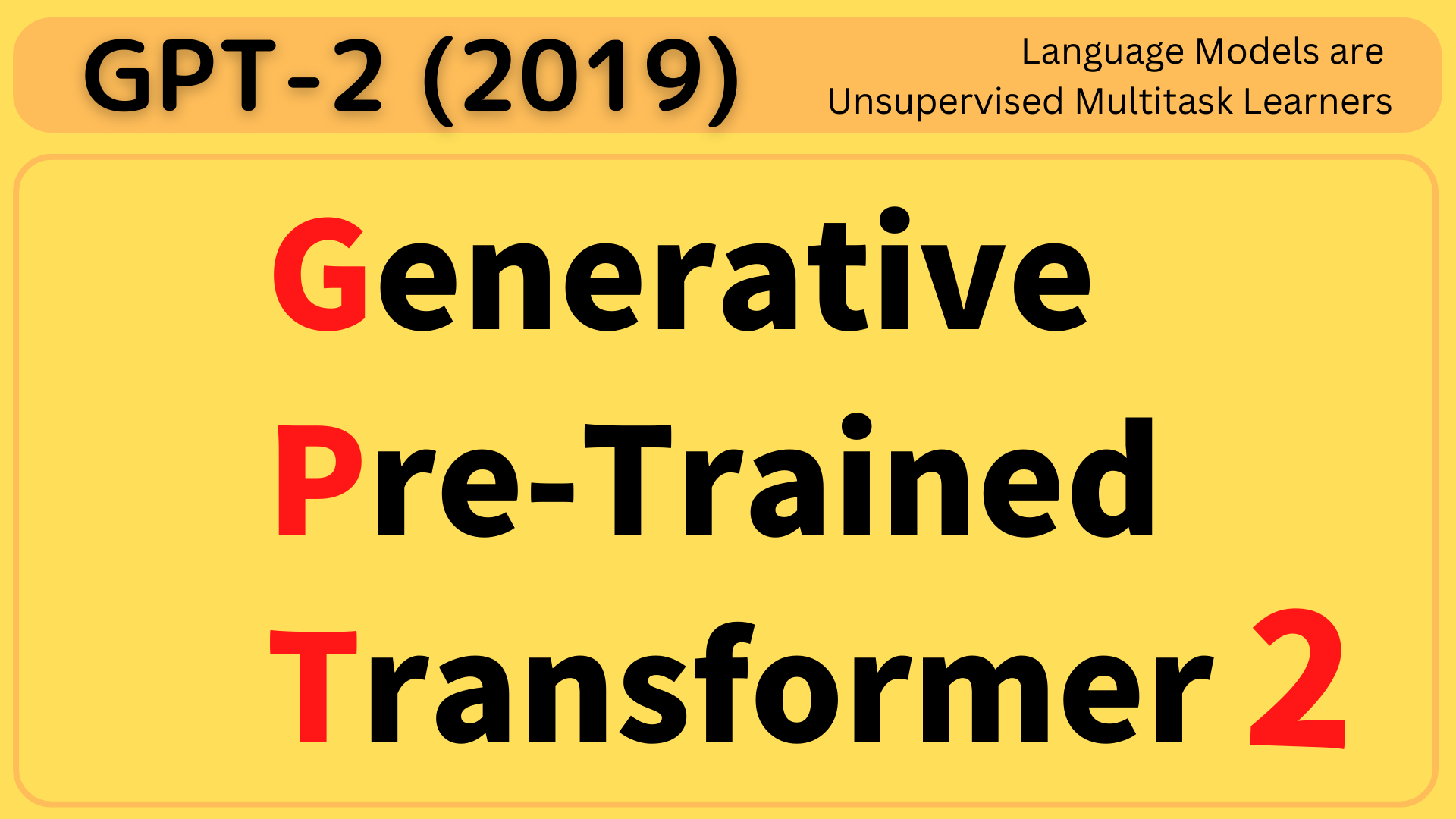
In 2019, OpenAI said GPT-2 was too dangerous to release. The thread argues both sides were right (naokishibuya.github.io)

The post revisits OpenAI's Feb 2019 decision to withhold the 1.5B-parameter model, the nine-month study that found no real misuse, and the eventual full release that November.

The split is sharp: one camp says the social damage from cheap synthetic text is now astronomical, the other says it was a 'we sure hope no one takes us seriously' marketing move.

The synthesis came from a data scientist who built GPT-2 tooling: justified caution in 2019, marketing gimmick when applied to 2026's models.

🌍Other ★ 254 · 💬 105 · Jun 10 · #AI#culture#policy#ChatGPT#GPT-2#OpenAI

Amazon engineers built a meme channel to mock their own AI. An employee showed up to complicate the story (404media.co)

The story: internal memes deriding Amazon's AI coding tools, set against Bezos-era promises of 'unprecedented productivity gains.'

Then a current employee said the quiet part: staff have unlimited free Claude Code and Codex, plus the new Mythos, and abandoned Amazon's own Kiro the moment they could.

The deeper read isn't 'AI bad' — it's org chaos: too many short-lived internal tools and token dashboards eating their own tail.

Ethan Mollick let Claude work for 9.5 hours on its own. Engineers shipping AI to users were horrified (oneusefulthing.org)

The pitch is a role change — judge the finished work, don't drive the process. One project ran nine and a half hours nearly unattended.

Practitioners flipped it: their customers are begging for sub-20-second agents, so a 9.5-hour run is a warning, not a wonder.

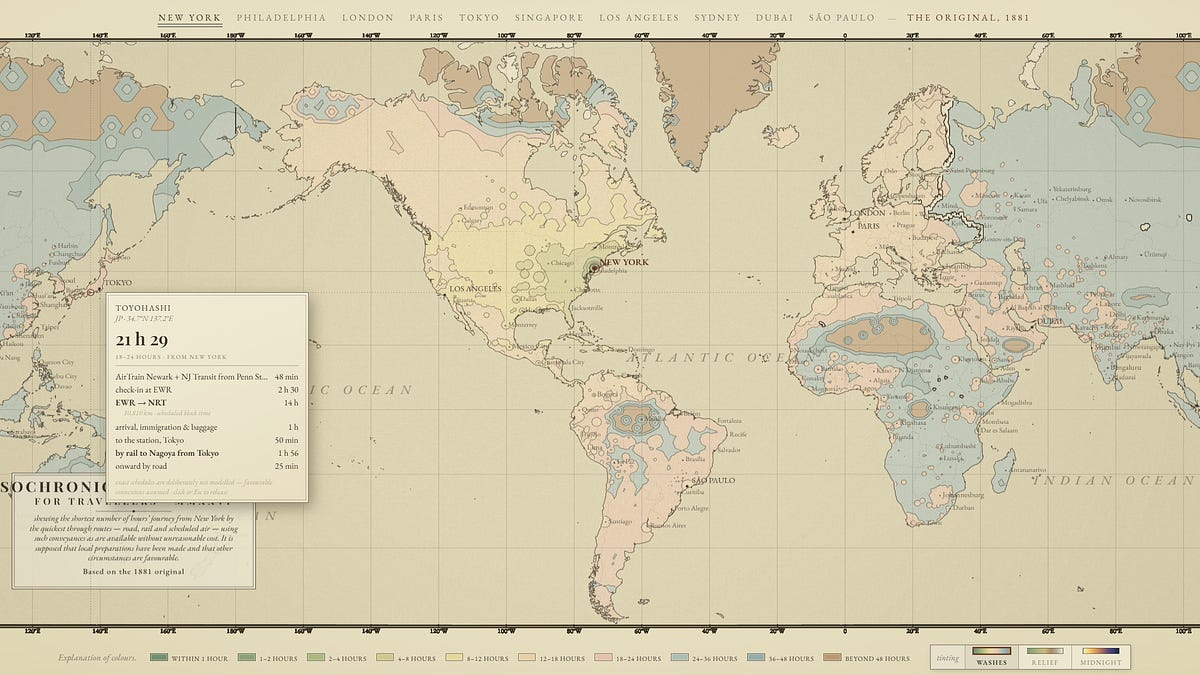
And the showcased travel-time map, checked against Google Maps, routed people down roads that don't exist.

Why has nobody dethroned Ticketmaster? Because you and I were never its customers (news.ycombinator.com)

The thread's unifying insight: Ticketmaster's real customers are venues, promoters and artists. The fees let artists keep a 'fair' face price while TM absorbs the hatred and funnels the money back.

An ex-competitor laid out the moat: a chicken-and-egg content problem, and incumbents who'll sign big venues at a loss just to deny you the catalog.

Pearl Jam tried to route around it in 1994 and got turned away by contract-locked venues.

'Solar saved Europe $135M a day' is a real number — but it's fuel not bought, not money in your pocket (cleantechnica.com)

The figure compares actual solar output against what the fuel to replace it would have cost — about $135M a day over roughly 100 days.

The correction: that's avoided imports, not net savings. It excludes the hundreds of billions in panels and the grid costs of intermittency.

And a neat aside on why solar-heavy Germany still pays a lot: marginal pricing means the most expensive plant still running sets the price.

The FCC wants your ID to buy a phone. People who live under such rules say it doesn't stop scammers (404media.co)

The proposal ends anonymous prepaid phones by requiring ID and address at signup or renewal, with extra data for business and foreign customers.

The reality check came from people already living it: in countries with SIM real-name rules, scammers buy your leaked personal data cheaply and use it to make calls more convincing, not less.

And a former Google employee noted the same plumbing is how Iran tiers internet access.

🌍Other ★ 457 · 💬 293 · Jun 10 · #policy#privacy#security#404 Media#ACLU#FCC

Albania froze $195M of a $4B resort deal after excavators moved before the environmental review did (yacnews.com)

The factual core: Albania's anti-corruption prosecutor froze roughly $195M tied to a property-fraud probe, after excavation reportedly began in late April before environmental assessments were finished.

The thread treated the framing with care — one commenter flagged the source itself as anonymous with broken links, another reframed it as Albania's weak rule-of-law problem rather than a conspiracy.

The documented parallels: a stalled Kushner project in Serbia and the Trump Aberdeen golf course.

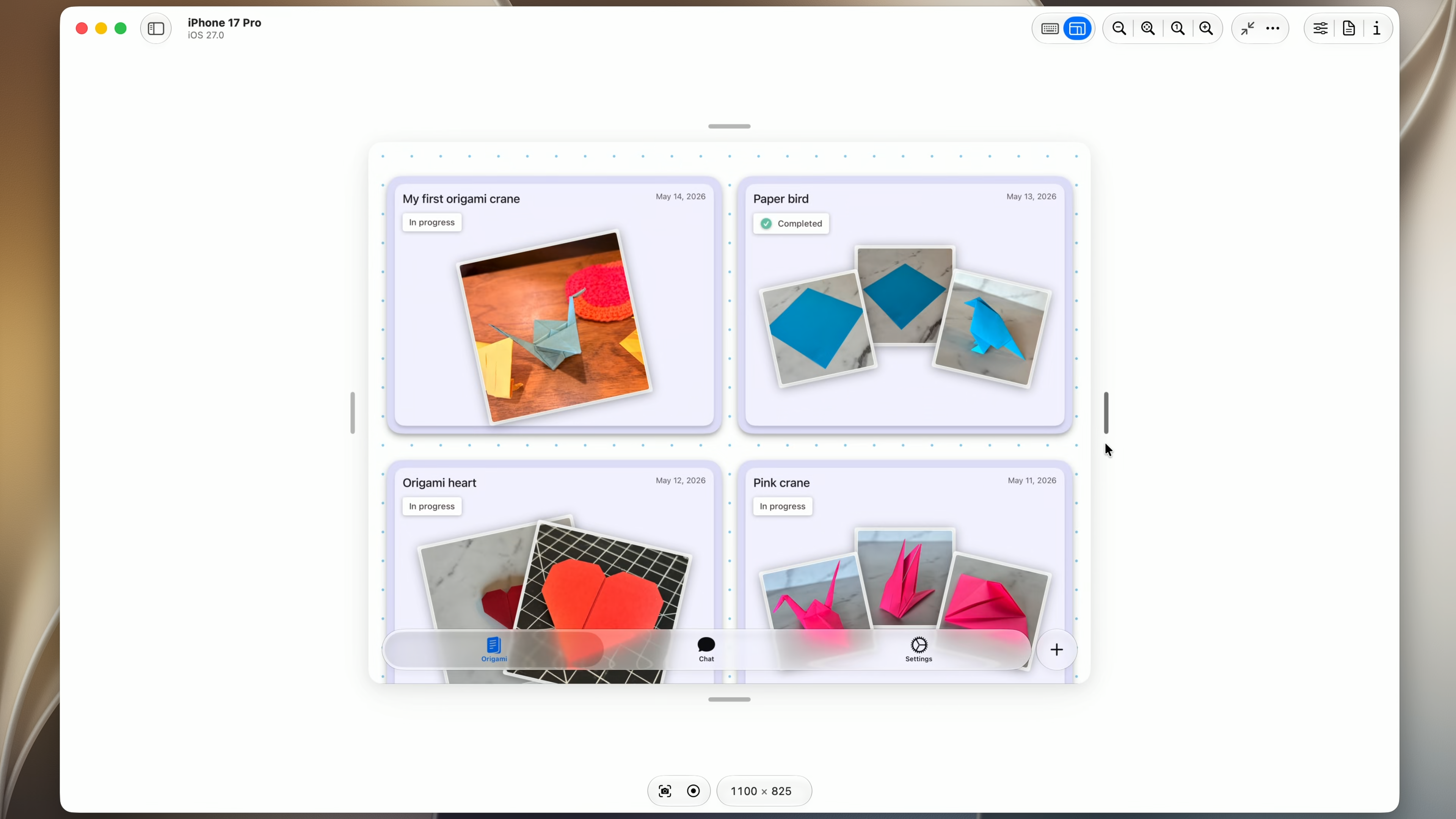
Apple didn't announce a foldable at WWDC. It told developers to stop designing for fixed screens (cupertinolens.com)

The tell isn't a product reveal — it's a platform directive to design for a range of screen sizes and aspect ratios, paired with leaked framework keys for fold angle and display count.

The thread's first reaction was that the title is a homograph pun and pure clickbait. Its second was a real argument: a phone plus an iPad mini already beats a foldable on cost and reliability.

And the most-discussed evidence — a window-resizing demo — looked to some like a blurry mess, not a polished preview.

Ben Thompson titled it 'The iPhone's Last Stand' — and then spent the piece arguing Apple is fine (stratechery.com)

The setup is a contrast in AI strategy — cloud-resident agents you reach through thin devices, versus a phone that hosts a ~20-billion-parameter on-device model with personal context.

Readers who know Thompson's track record flagged the title as clickbait and questioned his 'consumers don't want to work' premise as cynical.

The flip: a Siri that actually works would be an Apple advantage, not its last stand — and the iPhone gained share in a quarter with no AI marketing at all.

Techdirt: CEOs who think AI replaces employees are just bad CEOs. The thread asks who's more replaceable (techdirt.com)

The case is that bosses cut staff because they can't see the unglamorous work that turns a demo into a product, then blame AI for layoffs that were really over-hiring.

Several commenters flipped it: if a job is just relaying information, the most replaceable role in the building is the CEO's.

A dissent worth keeping: by the only metric that judges CEOs — keeping shareholders happy — AI-driven cuts can be 'good' CEOship, which is the whole problem.

📈Biz ★ 431 · 💬 174 · Jun 10 · #AI#big tech#economy#Aaron Levie#Box#Techdirt

Apollo's chief economist says there's no AI jobs crisis. The thread says look at who's actually hiring (apollo.com)

The argument from the top: if AI were displacing workers, openings would collapse and unemployment would climb. Instead there are more jobs than workers.

The counter from people who hire: strip out healthcare and most sectors are flat or shrinking, junior software roles are near zero, and a chunk of 'openings' are ghost jobs that cost nothing to post.

A line from a Google engineer that stuck: you almost get laughed at asking for headcount now.

A worm called Miasma turned 70+ Microsoft repos into password-stealers for anyone using an AI IDE (techcrunch.com)

Open a poisoned repo in an AI coding IDE and a setup hook runs on its own, lifting your tokens. Harnesses like Codex or opencode reportedly dodged it.

The thread's correction to the headline: this isn't a hole in 'Microsoft's open source' so much as a supply-chain hit, and pulling 70+ repos fast was the right call, not the scandal.

A CISO's deeper worry: agents now juggle many unrelated projects at once, so the blast radius of one bad dependency just grew.

AI is the new rockstar developer: brilliant, novelty-obsessed, and it leaves you the cleanup (codingwithjesse.com)

The argument: a model will write an entire module where you needed a ten-line function, in a 'belt and suspenders' style that only an LLM can later decipher.

The thread split hard. One camp says this is just VB and PHP spaghetti all over again, nothing new; another runs paid cleanup gigs and calls it free money, 10–50k euros at a time.

The dissent that landed hardest came from someone mid-incident: people still have to review the code, and the reviewers still have to be good enough to write it themselves.

Apple won't ship Siri AI in the EU — and the EU says that was 'Apple's and Apple's only' decision (reuters.com)

The headline reads like a privacy standoff. The thread's correction: this is the Digital Markets Act, not GDPR — a competition rule about opening Apple's new agent interface to rival AI, not a data-protection fight.

A Google engineering manager pushed back on the easy 'they have the money, just comply' take: this class of compliance can mean re-architecting core systems with thousands of people over years.

And the requirement genuinely cuts both ways — handing any installed app agent-level control of your phone is a real attack surface.

🚀Tech ★ 359 · 💬 587 · Jun 10 · #AI#big tech#policy#Apple#DMA#European Commission+1

Anthropic says its silent safety filter hits 0.03% of developers. The thread found false positives on base64 (jonready.com)

The complaint isn't that Claude refuses. It's that it can quietly get worse and never say so, so you can't tell a hard problem from a covert restriction.

Anthropic puts the affected population at 0.03% of developers. Within hours the thread filled with people hitting the cybersecurity guardrail on a base64 implementation and on 'completely benign' personal apps.

One engineer's summary of the bind: now you have to prove your innocence instead of them proving you did anything wrong.

Anthropic ships two models with one set of weights — and routes your 'unsafe' prompt to a weaker one (anthropic.com)

Anthropic put one model behind two doors. Mythos 5 is the full-capability version for ultra-vetted clients; Fable 5 is the public one, wired to safety classifiers that silently route flagged queries to the weaker Opus 4.8 rather than refusing outright.

The benchmark jump is real on paper, but the loudest voice in the thread runs a bug-bounty program and isn't celebrating: he's watching for the day low-effort fuzzing turns into a real security edge.

And the 'free until June 22' rollout reads to many as a hook before usage-based billing arrives.