Waymo launched a $30 loyalty tier. The thread explained what people are really paying to avoid
Waymo Premier is an invite-only membership: $29.99 a month for priority pickups, 10% cash back, early access in new cities. The comments barely mentioned the perks. They went straight to the reason a robot ride is worth a subscription — never having to share a car with a stranger.
A former Uber engineer, a wife who won't ride alone, a rider who got a mid-trip lecture on religion: the thread filled with reasons people pay to skip the human driver. One commenter cited 400,000 Uber assault and misconduct reports from 2017–2022.
The dissent worth hearing: is engineering away every mildly uncomfortable human interaction actually a society we want? The most upvoted product idea wasn't Premier at all — it was Waymo-meets-Zipcar.
A membership nobody in the thread came to discuss
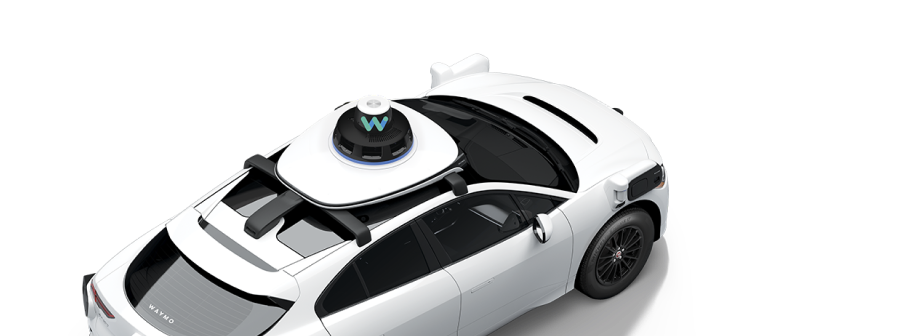
Waymo Premier is a loyalty tier for frequent riders: $29.99 a month buys priority ride-matching, 10% Waymo Cash back (more at peak), early access in newly opened cities, and five free cancellations. It launched June 11 in San Francisco, Los Angeles and Phoenix. Waymo quoted a Phoenix rider calling it "a no-brainer."
The thread treated the pricing as a footnote and went after the deeper question: why pay a premium for a car with no driver in it at all.
The real product is the absence of a stranger
The answer arrived as testimony. A former Uber and Vercel engineer was direct:
"As a gay dude I experienced my fair share of 'uncomfortable' Uber rides… No thanks. I don't need to stimulate those kinds of social skills. Can't even imagine what women go through."
He didn't have to imagine for long. A commenter speaking for his wife and her friends replied: "My wife will not ride alone in Ubers because she's had one too many uncomfortable -> possibly dangerous situations." Another supplied the number underneath the unease: "Uber received over 400,000 sexual assault and misconduct reports between 2017 and 2022."
Even the milder version stung. A San Francisco software engineer recalled being pitched a religion and invited to a mosque mid-ride: "a paid service shouldn't be starting that kind of conversation."
The dissent: are we engineering away being human?
One voice refused to let the convenience go unexamined. A commenter who'd read *The Comfort Crisis* asked "what we lose as a society if people never have to be in even a mildly uncomfortable situation." A measured reply held both truths at once:
"'People should just deal with uncomfortable situations' is not a winning argument, but the continuing march toward tech-enabled isolation is absolutely bad… I'll take some cumbersome conversations over conducting my entire life via corporate app interfaces."
The counter to the counter is hard to dismiss: the discomfort being avoided isn't small talk, it's a captive ride with someone who makes you feel unsafe.
The feature they actually want
The most-liked idea in the thread wasn't on Waymo's roadmap. A startup cofounder wanted to rent a Waymo by the hour and leave shopping bags or a child seat in it between stops — Waymo-meets-Zipcar. A reply loved that it sidesteps parking entirely: "You can just tell it in advance that you'll be leaving the grocery store in eight minutes." Waymo sold a discount card. Its riders are describing a different product — a private space that happens to move, valued less for what it adds than for who it removes.
Get breakdowns like this every day
The top Hacker News stories, unpacked — by email, Telegram, or RSS.
Lines of code were a joke metric for 40 years. AI gave them a better publicist
Counting lines of code has been a punchline since the 1980s. Then "AI-native engineering" arrived and the discredited metric got rebranded as productivity — one CEO reportedly wants a million lines per engineer per month, and meant it.