A Lithuanian startup turns old Android phones into a crowdsourced Shahed-drone listening network
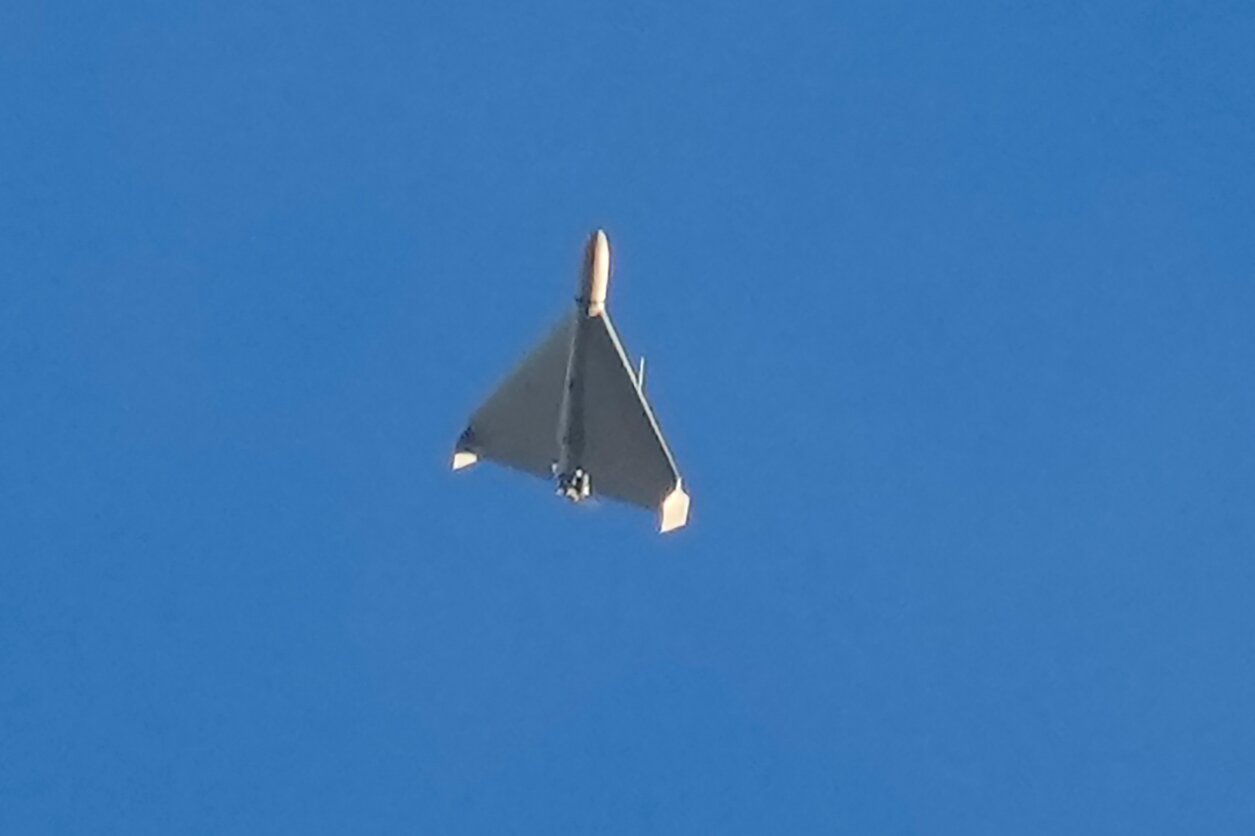
Plug a spare phone into power by a window and an app listens for the low-frequency growl of a Shahed engine; when several nearby phones hear the same thing, the system triangulates it onto a public map. The thread's engineers loved the idea and doubted the physics.
Drone Rada wants 10,000 phones across the Baltics and Poland, using devices already sitting in drawers and no technical skill from volunteers.
The hard objection: Shaheds have climbed from ~500m to 2,000-3,000m, with the newest reaching 5,000m — high enough to be near-inaudible from the ground.
What the network is
LRT reports that the Lithuanian startup Mainline launched "Drone Rada," an open-source, crowdsourced acoustic drone-detection network. Volunteers place an unused Android phone near a window on power; an app continuously listens for the low-frequency acoustic signature of Shahed-type drone engines. When several nearby devices detect the same signature, the system triangulates a probable location and plots it on a public interactive map. The organizers — backed by the Lithuanian AI Association and the Riflemen's Union — want 10,000 active users across the Baltics and Poland.
The altitude problem
The most serious technical reversal didn't doubt the concept so much as the geometry it has to fight:
"Shahed drones have increased in altitude from ~500m at the beginning of the Ukraine war to 2000-3000m… The higher the drones are, the less noise they make at ground level… The latest versions of Shahed can reach 5000m in altitude, which would largely be inaudible on the ground." — a commenter detailing the altitude-versus-acoustics problem
An engineer who has built acoustic anomaly detection was blunt about the sensor:
"I doubt an old android with dirty microphone can detect anything reliably." — an engineer who built an acoustic detection system for a production line
When someone proposed swapping in a dedicated pressure sensor, another reader did the noise-floor math and found the phone mic was the better instrument:
"the noise density of a typical microphone is 10^-6 Pa/sqrt(Hz)… So either you're full of shit and a high quality microphone is x10000 more sensitive than this sdp600 sensor" — a commenter running the sensor-sensitivity numbers
The design answer to the doubts
The defense of the project reframed it away from "best possible sensor" toward "sensor that already exists in a million homes":
"This is specifically designed to use old Android phones already sitting in a drawer somewhere without any other use, and most importantly by anyone without technical skills." — a commenter on the project's design intent
That's the real bet, and it's a reasonable one. A purpose-built ESP32 array would hear higher and cleaner, but it would also need to be bought, flashed and installed by people who won't. Drone Rada trades sensitivity for density: ten thousand mediocre microphones, free and already deployed, may catch a low-flying Shahed corridor that a handful of perfect sensors would miss — right up until the drones climb above the altitude where any ground microphone can hear them at all.
Get breakdowns like this every day
The top Hacker News stories, unpacked — by email, Telegram, or RSS.
Windows 11's media player idles at 377MB doing nothing, and the experts say the real story is older and worse
An article claimed the new player uses 3.5x the RAM and paywalls codecs. Credentialed commenters, including ex-Microsoft engineers, picked it apart: the player isn't new, the codec fees aren't new, and the genuinely new insult is losing Dolby audio.