Topic

Hardware & Chips

60 stories

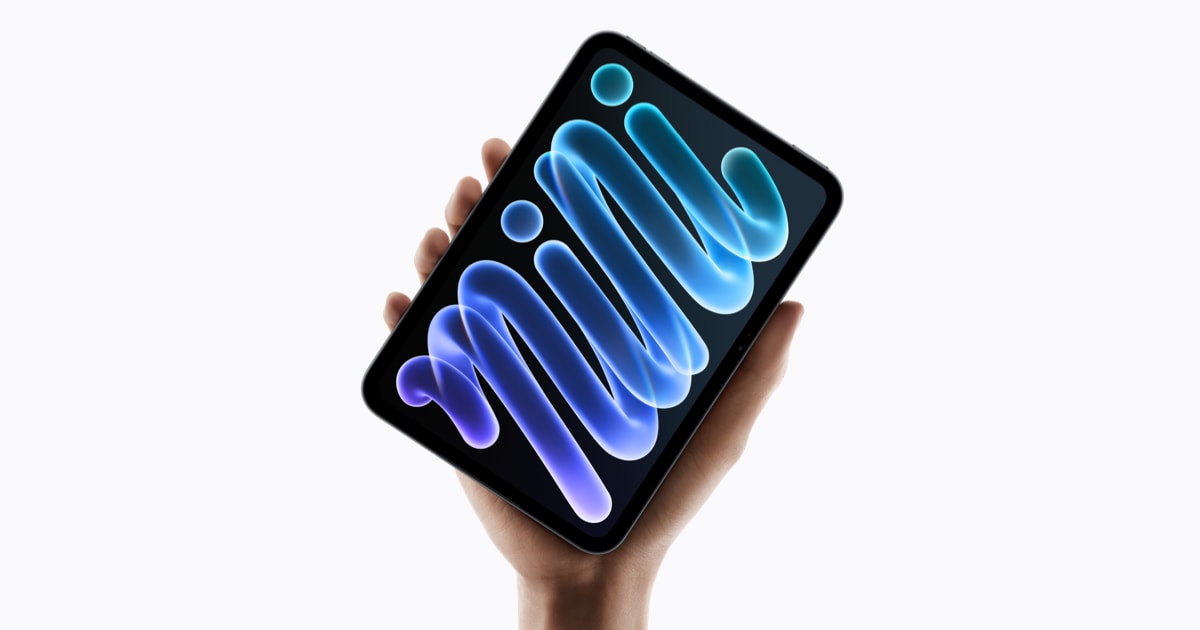
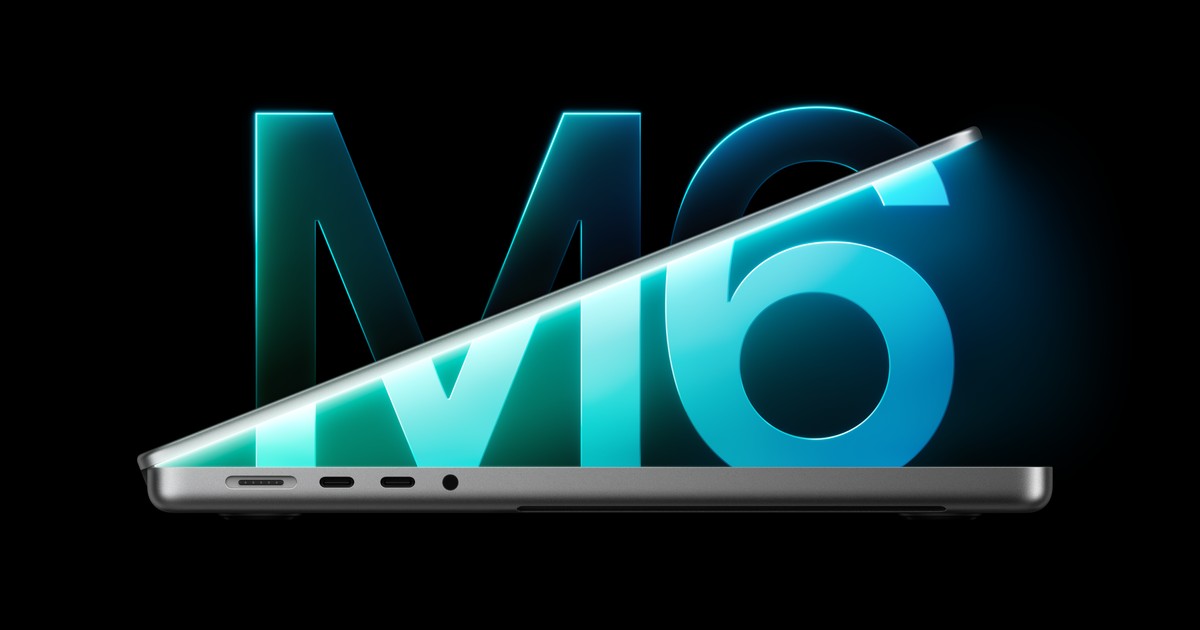
Apple's M6 MacBook Pro claims 24 hours of battery and a memory bandwidth of 170 GB/s (apple.com)

Against M5, Apple claims graphics up to 30 percent faster, AI workloads up to 25 percent faster and a Neural Engine up to 1.9x faster. Memory is 16 GB standard, 32 GB maximum. The quoted bandwidth became the thread's sticking point.

Owners of older machines used it to say they are not upgrading.
🚀Tech ★ 287 · 💬 364 · 10h ago · #big tech#hardware#Apple#M6#MacBook Pro

Not just a headline — the discussion unpacked

The top HN threads: facts from the discussions, both sides, insider voices. Email, Telegram, or RSS.

A Swedish AI host says the same request emits 8.5 times more CO2 in Texas than in Sweden (berget.ai)

The figures come from an open-source per-request method that Berget AI built with SEI, WattTime and Klimatkollen, for a 5,000-token-in, 387-token-out request on a B300 node. Energy use is about 4 Wh in both places.

The company notes that an embargoed version had overstated the gap, and the final numbers were revised down after a grid-intensity correction.

🚀Tech ★ 140 · 💬 154 · 4 days ago · #AI#energy#hardware#Berget AI#Kimi K3#SEI+1

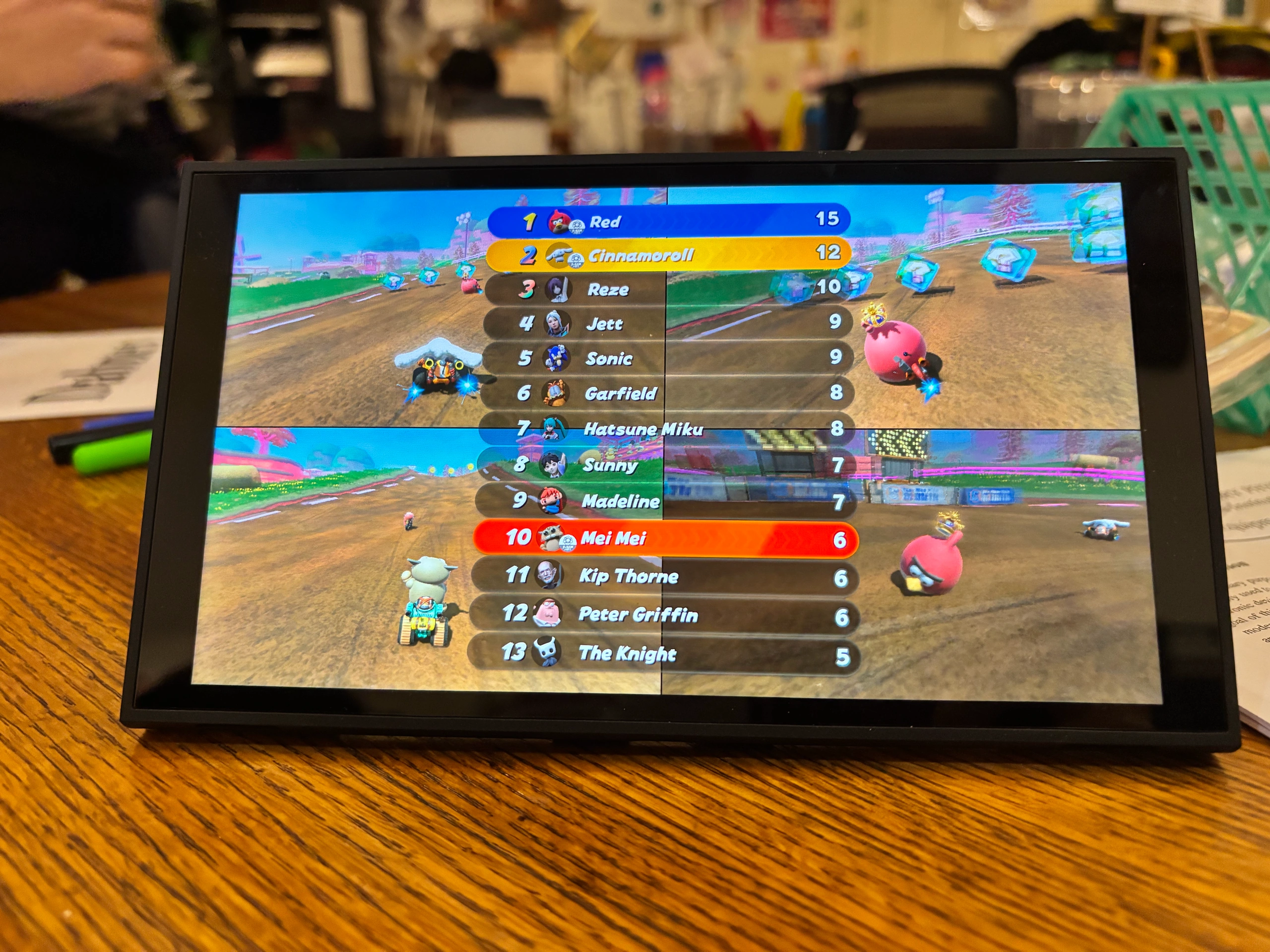
The first Switch 2 jailbreak starts inside SmileBASIC, a Switch 1 game (pepsipu.com)

A 32-bit integer overflow in SmileBASIC's array REMOVE handling gives memory read and write on the Switch 1, where there is no pointer authentication. A path-normalization overflow then reaches the filesystem service.

The exploit is tethered, runs on firmware 23.0.1, and took about two weeks of real work.

DeepSeek open-sourced the inference engine that serves its own production traffic (github.com)

The release covers one model, DeepSeek-V4.1-Flash, and runs on NVIDIA SM100 GPUs and Huawei Ascend 950 NPUs. It deliberately leaves out the KV cache system and prefill/decode disaggregation.

In the thread, one reader wants to know if the whole release is a bet against US valuations. Another answers that investors don't believe Western firms will run Chinese models.

53% of exposed Danfoss dashboards were in France. Then supermarket fridges hit 50°C (ipinfo.io)

IPinfo's scans found 2,528 Danfoss StoreView dashboards open to the internet on October 6-7, and France had 1,331 of them, more than the other 72 countries combined. 85% of the French ones ran software with known flaws.

After the attack, 316 French dashboards were still online on October 14, a 76% drop.

🚀Tech ★ 62 · 💬 59 · Oct 20 · #hardware#security#Censys#CERT-FR#Danfoss+1

A hobbyist 3D printer that positions to 1 micron and deposits 4-micron resin droplets (github.com)

The current PIKA V0.02 build repeats positions to about 1 µm, with reliable accuracy of 10 µm or better inside an 8 mm cube. A probe tip draws UV resin up by capillary action and deposits droplets as small as 4 µm.

The earlier MAUS C build reached about 5 µm over 4 mm, but its motion wasn't linear.

🚀Tech ★ 334 · 💬 54 · Oct 19 · #hardware#open source#RepRap#RepRapMicron

eBay now demands FCC IDs for radio gear, but exempts ham-band-only transmitters (arrl.org)

The ARRL asked eBay to clarify, and eBay confirmed devices that can operate only on amateur frequencies are exempt. Two-way VHF/UHF radios able to transmit outside ham bands still need FCC certification.

The thread's real question: why ham radio operators police each other so hard.

🌍Other ★ 176 · 💬 138 · Oct 17 · #culture#hardware#policy#ARRL#eBay#FCC

Four M5 Ultra Mac Studios linked over Thunderbolt 5 run an 816B-parameter model at 36 tokens a second (machinelearning.apple.com)

Apple's MLX team tested tensor parallelism over RDMA on Thunderbolt 5: four machines decode at 36.73 tokens/s at 8,192 tokens of context, against 15.74 with two-machine pipelining. A single M5 Ultra is about 1.6x faster at decoding than the M3 Ultra.

🚀Tech ★ 269 · 💬 123 · Oct 17 · #AI#big tech#hardware#Apple#Mac Studio#MLX+1

Meta's open-weight Muse Spark has 816B parameters. Two Mac Studios can run it (research.meta.ai)

Meta released Muse Spark Open on October 15 as downloadable weights: 816 billion parameters, 42 billion active per token, a 1M-token context window, under a Muse Model License with limited commercial terms. The benchmark section is empty, and the full evaluation report is "available soon".

🚀Tech ★ 787 · 💬 393 · Oct 16 · #AI#big tech#hardware#Apple#Hugging Face#Meta+1

Claude wrote the Linux drivers. Then a pedal maker decompiled three rivals (blogs.gnome.org)

Schaller used Claude Code to build drivers for a Plustek film scanner and fix a ThinkPad webcam, using Windows traces as the answer key. In low light, the webcam's frame brightness rose from 31.1 to 90.9.

In the thread, a guitar-pedal maker said they decompiled three rivals' award-winning effects in 72 hours and that their industry's moat had vanished. A hardware engineer replied that the moat was never there: if the firmware is readable, it was always open.

New Withings accounts need a paid plan to sync with Apple Health (support.withings.com)

Withings has moved automatic syncing to Apple Health and Google Health Connect behind its Withings+ subscription. The rule keys off the account creation date: accounts created on or after October 13, 2026 need the plan, while accounts created on or before October 12 keep syncing for free, even if the owner buys new hardware later.

A Withings reply marked as official confirmed it: after October 13 «automatic sync to third-party apps is part of Withings+». The company says the subscription «funds the services» built around user data.

Free accounts keep full access inside the Withings app and can still export their history manually as CSV or PDF. What they lose is the automatic handoff to everything else.

📈Biz ★ 269 · 💬 175 · Oct 16 · #hardware#health#privacy#Apple Health#Withings

GrapheneOS points beyond Pixels, but only to flagship Motorola hardware (grapheneos.social)

The project says Motorola is porting GrapheneOS and names a 2027 Signature plus Razr fold and flip devices as prospective targets, while lower-end models may take longer.

That qualifier was the story for HN: an alternative OS still depends on vendors shipping long update windows and the security features it requires.

Casio adds Bluetooth without turning the F-91W into a smartwatch (casio.com)

HN’s Casio fans focused less on novelty than restraint: a cheap, readable watch can gain a few useful functions without becoming a notification screen on the wrist.

The product’s appeal is the trade-off smartphones usually erase: limited capability in exchange for a device that asks little attention and little charging.

🌍Other ★ 278 · 💬 226 · Aug 20 · #culture#hardware#Casio#F-91W#F-B100W-1A

Claude turns an abandoned Windows printer into a macOS project (twitter.com)

The author linked the resulting [hp-laser-1008a-macos](https://github.com/Kuberwastaken/hp-laser-1008a-macos) project after describing the machine as a useful case study.

Other developers replied with similar work on Xbox adapters, e-paper screens, and industrial printers: specs, captured traffic, and prior art become enough material for a model to help bridge an unsupported platform.

Qwen’s 27B release puts local inference back in reach (huggingface.co)

The attraction is not merely another benchmark claim. Commenters see Qwen3.8-27B as a model small enough to experiment with on consumer hardware while still aiming at much larger hosted systems.

That makes deployment the real story: quantized variants and serving configurations arrived alongside a release whose raw model size still fits a serious local setup.

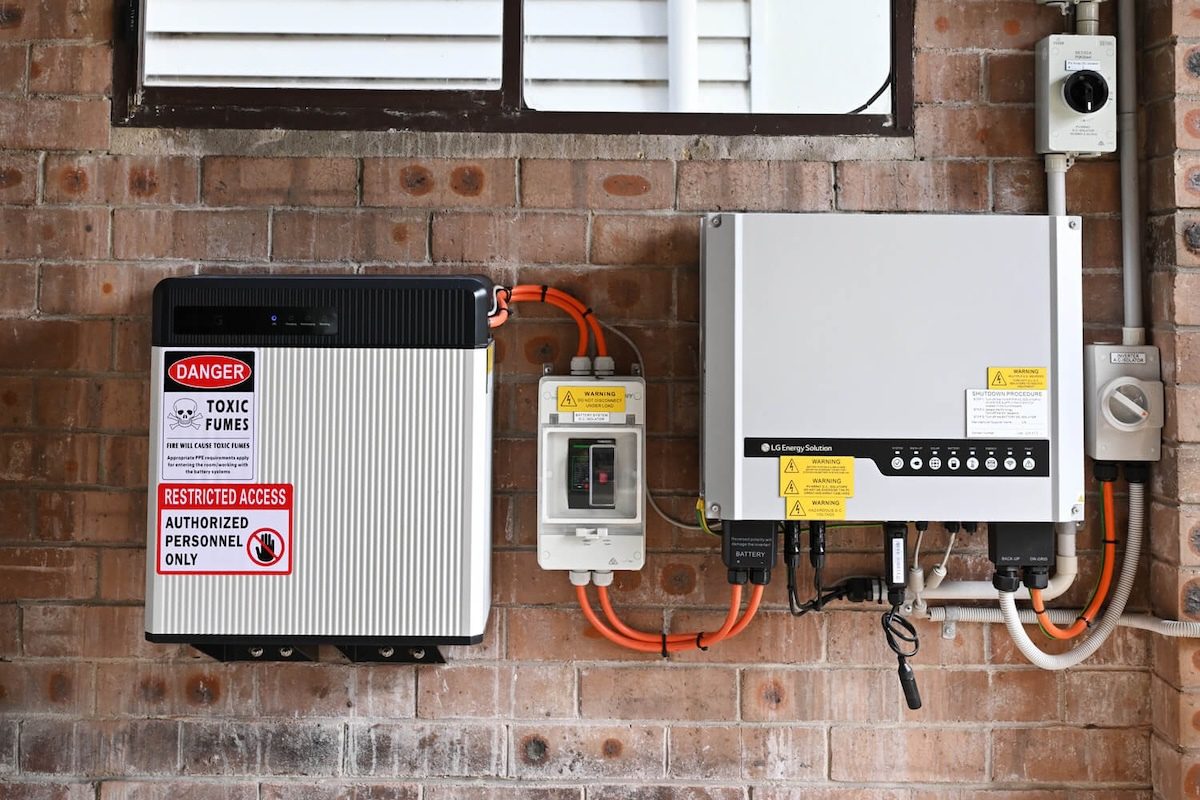
Australia’s household batteries expose a grid design choice (e360.yale.edu)

Australia’s solar surplus can push daytime power prices negative. Home batteries shift some of that energy into the evening, and governments are also encouraging households to consume power when it is abundant.

The thread’s real dispute is architectural: pay households to own storage, or build utility-scale batteries and use electric vehicles as a distributed reserve.

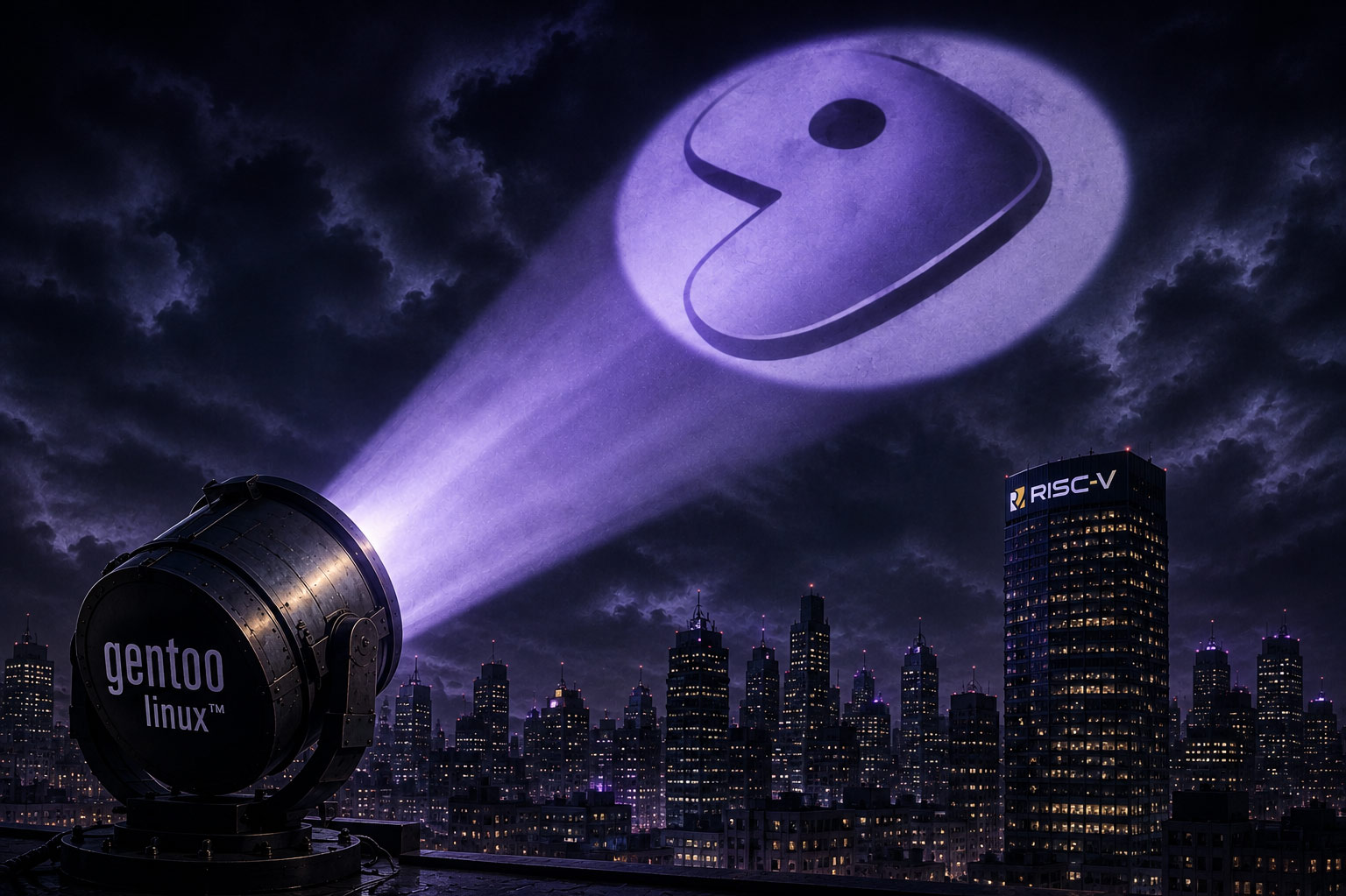
RISC-V’s critics say openness did not prevent old mistakes (dmitry.gr)

The RISC-V debate is not about whether an open instruction set is valuable. It is about whether the base specification makes the right compromises for cheap controllers and broad implementation.

HN’s reply was strikingly practical: even critics who recognize the flaws still prefer an open ISA to a future built only on proprietary ones.

Heart’s electric aircraft flies, but range remains the story (heartaerospace.com)

Heart Aerospace says its aircraft uses electric motors for short hops up to 124 miles, with reserve generators for a longer hybrid range.

HN readers welcomed the test flight but focused on the operational constraint: routes short enough for battery power can still compete with a drive door to door.

🚀Tech ★ 120 · 💬 121 · Aug 14 · #energy#hardware#space#Heart Aerospace

Rosenbridge revived questions about x86 hardware backdoors (github.com)

The project’s subject is hardware-resident functionality in x86 platforms and the security implications of access below the operating system. That makes the threat model more important than a headline claim.

HN’s discussion focused on what can actually be verified, disabled, or mitigated on a given machine.

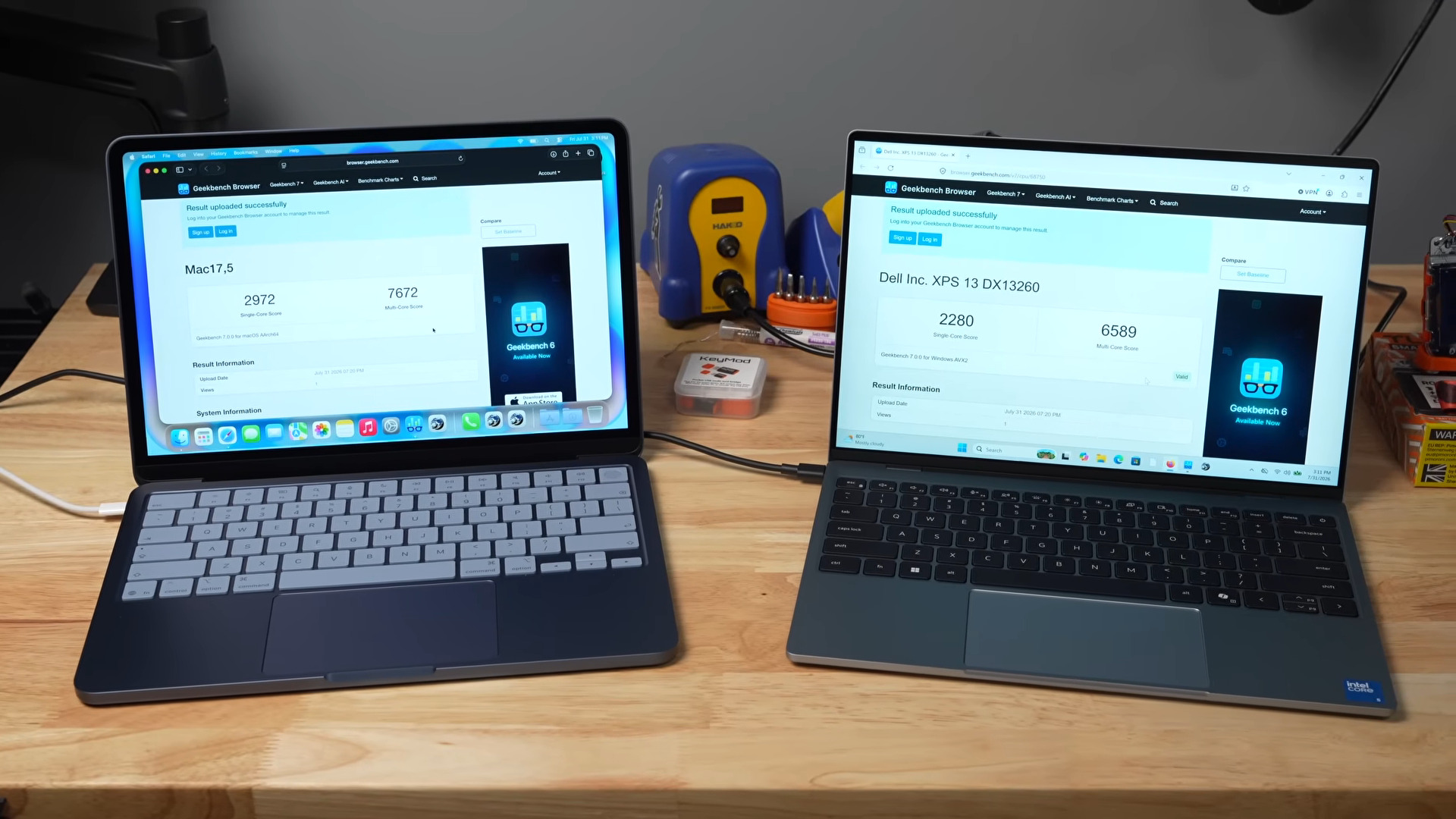
Intel-versus-ARM efficiency is still a system-level question (hackaday.com)

The comparison centers on power efficiency, not a single benchmark score. CPU, GPU, display, operating system, and application behavior all change the result a buyer experiences.

HN readers used the article to challenge simple architecture narratives and to ask which workloads still make the trade-off worthwhile.

ProvenMetal wants faster circuit boards, but sourcing still sets the clock (provenmetal.com)

ProvenMetal is pitching faster PCB assembly for hardware teams, including upstream feedback on bills of materials and lead-time alternatives.

The thread welcomed the ambition but warned that domestic assembly, component sourcing, and price competition are the hard constraints—not the upload form.

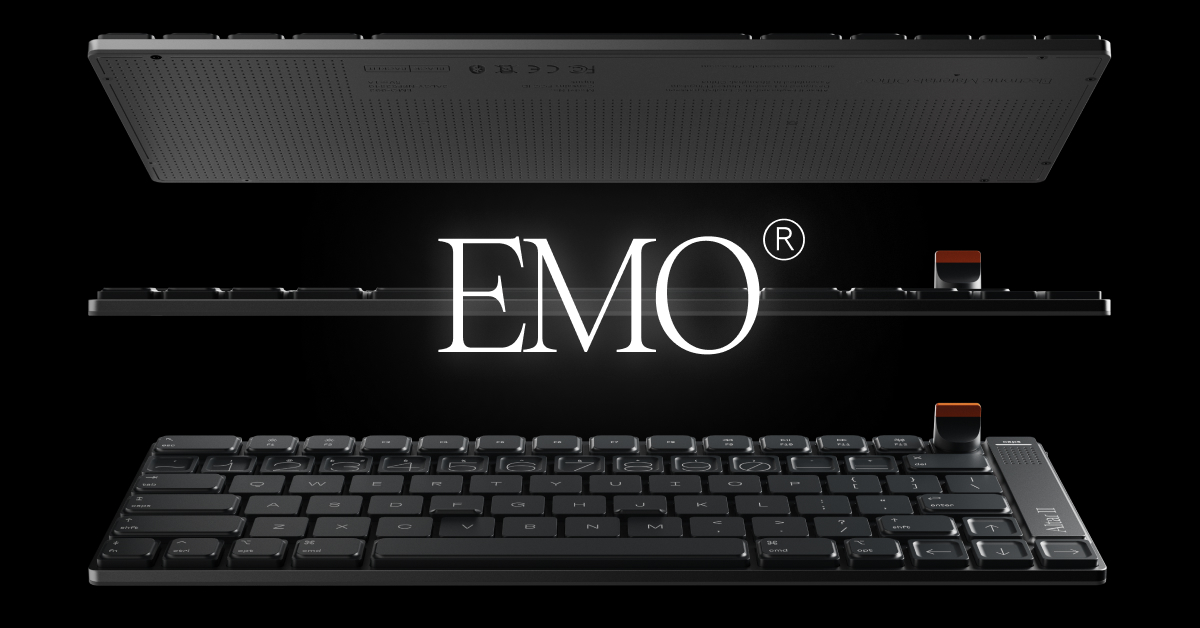
A mechanical Magic Keyboard exposes the limits of a beautiful replacement (electronicmaterialsoffice.com)

A two-year hardware project aims to pair the compact feel of Apple’s Magic Keyboard with mechanical switches and a more considered industrial design.

The enthusiasm was real, but the comments made the missing details—Touch ID, ISO layouts, keycaps, and ergonomics—the actual product brief.

🌍Other ★ 256 · 💬 218 · Aug 7 · #culture#hardware#Apple#Magic Keyboard

Leaving Android for Linux means trading polish for control (runarcn.no)

The author’s Android-to-Linux switch is a case for a phone that can be inspected and changed like a general-purpose computer. HN readers pointed to alternatives such as postmarketOS and Purism hardware, but also named what does not travel cleanly: services built around Google Play Services and Wallet.

The discussion’s disagreement was not whether Android contains open-source code. It was whether the experience can remain meaningfully open as important APIs and everyday features live in Google-controlled services.

Accessibility needs ramps before it needs another expensive device (sightlessscribbles.com)

The essay’s central contrast is concrete: a costly stair-climbing wheelchair is easier to pitch than better doorknobs, ramps, and accessible buildings. Readers expanded that criticism to semantic HTML and other basics whose value is broad but whose funding story is less glamorous.

The strongest dissent matters too: new assistive technology can expand where someone can go, even if it does not excuse inaccessible infrastructure. The practical failure is treating one as a substitute for the other.

FFmpeg 9.0 arrives with codecs, filters, and quiet infrastructure (github.com)

The release includes additions from animated WebP handling to new Vulkan and VideoToolbox acceleration paths. Each is a small capability until it becomes the missing piece in someone else's product.

HN readers celebrated the project as unusually durable open-source infrastructure: technical work that is visible mostly when it is absent.

The NAS fight is really about appliance control (nascompares.com)

NASCompares lists ten ways NAS products are getting worse, from soldered components to software decisions that make owners depend more heavily on the vendor.

HN did not agree that every convergence is bad: some readers want a simple Ubuntu-and-ZFS box, while others prefer vendors to use maintained Linux foundations instead of proprietary stacks.

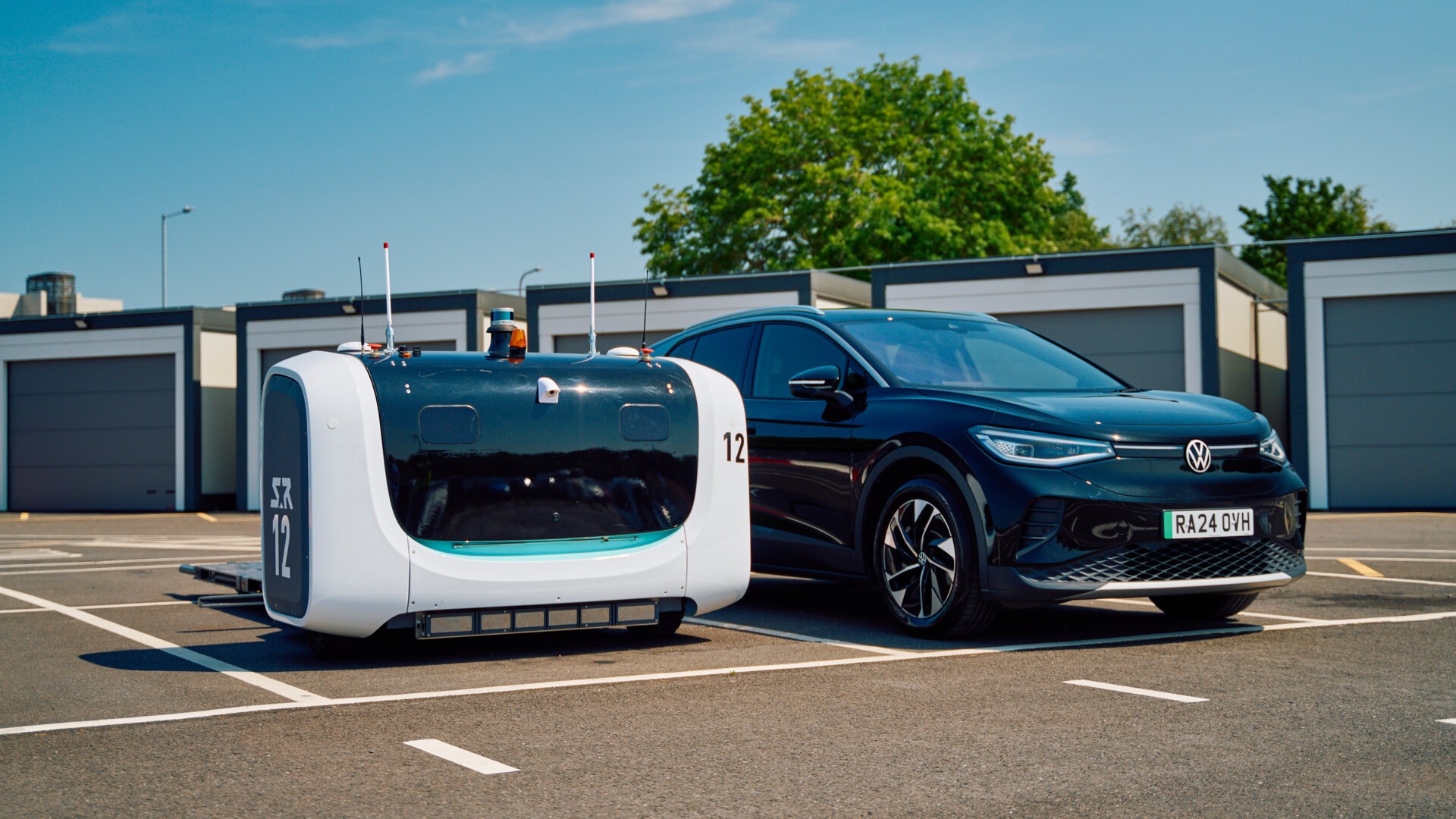
Gatwick’s parking robot keeps your keys but not your car (aerospaceglobalnews.com)

The Stanley Robotics system is advance-booking only. It takes standard cars up to 2.6 tonnes, moves them into denser storage, and is meant to have them ready when a booked return flight lands.

HN noticed the service’s unglamorous boundary: passengers still park in a cabin and may still take a shuttle. The robot optimizes the airport’s real-estate problem more than the airport journey.

JetZero promises 50% less fuel. HN asks about certification (jetzero.aero)

The Z4 is designed for international range and has backing or purchase options from Alaska and United, while JetZero has begun its Greensboro assembly campus and raised a $175 million Series B.

HN’s response was less about aerodynamic promise than the bottleneck behind it: pressurisation, evacuation rules, airport gates, support equipment, and certification all favor the familiar tube and wings.

A security camera page exposed a GitHub admin token in public (hhh.hn)

The reported camera flaw was not a subtle remote exploit: the login page itself exposed a GitHub administrative token. That turns a device setup page into a route toward a vendor’s software supply chain.

HN commenters broadened the lesson to hard-coded defaults, mobile apps, and embedded products where security review appears to arrive after shipping. One commenter said obfuscation once made this kind of inspection tedious; modern tooling makes it cheap.

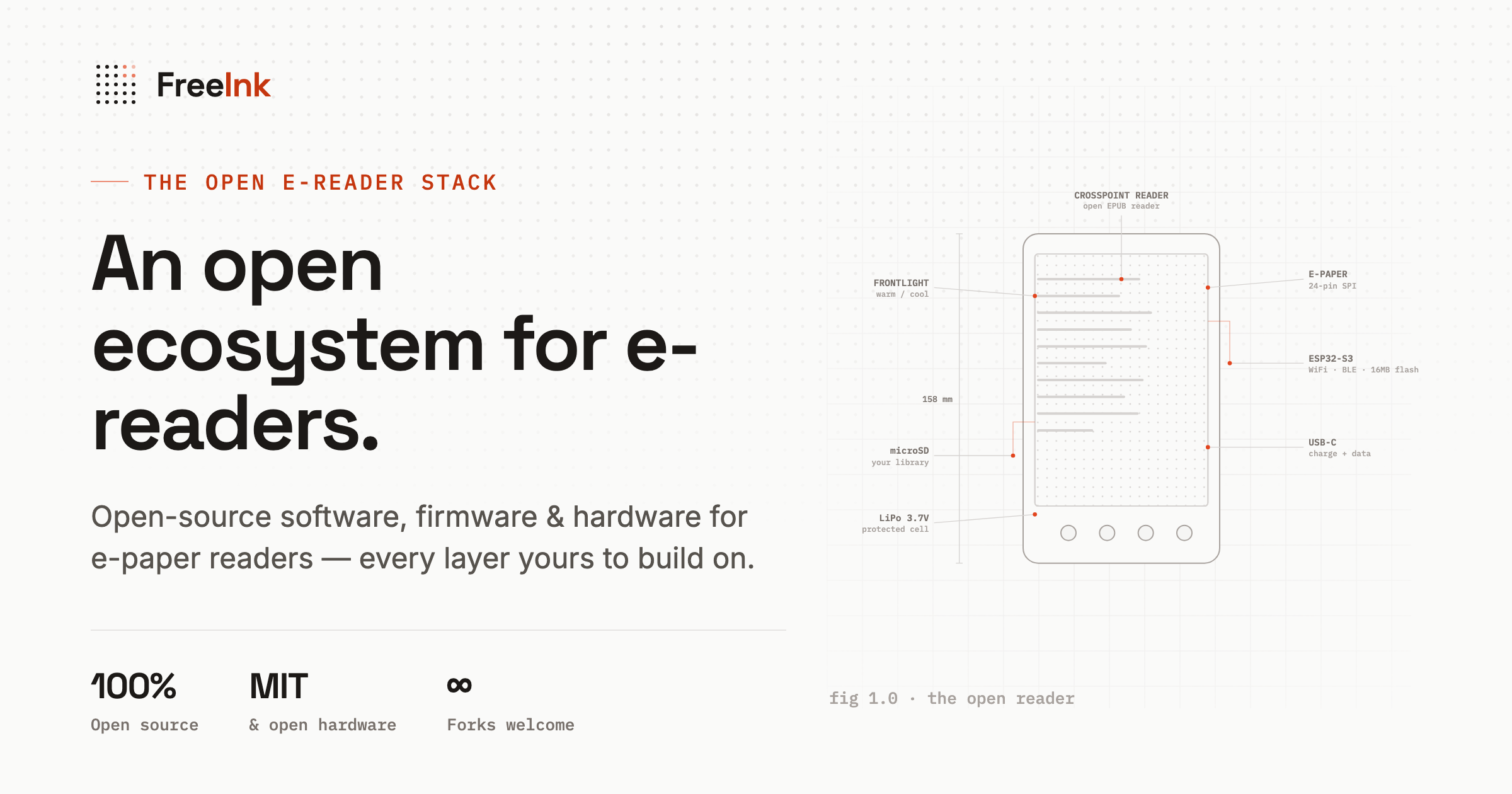
FreeInk brands its open e-reader PCB as a $60 build. The receipts say otherwise. (freeink.org)

FreeInk ships an open-source stack for e-paper readers: software, firmware, and a build-it-yourself PCB, aimed squarely at ESP32-class chips like the ones inside cheap Chinese readers such as the Xteink X4.

Half the Hacker News thread showed up asking for a Kindle, Kobo, or reMarkable port anyway. A self-described veteran electronics engineer had the same answer for every request: wrong chip entirely, nothing a firmware update could fix.

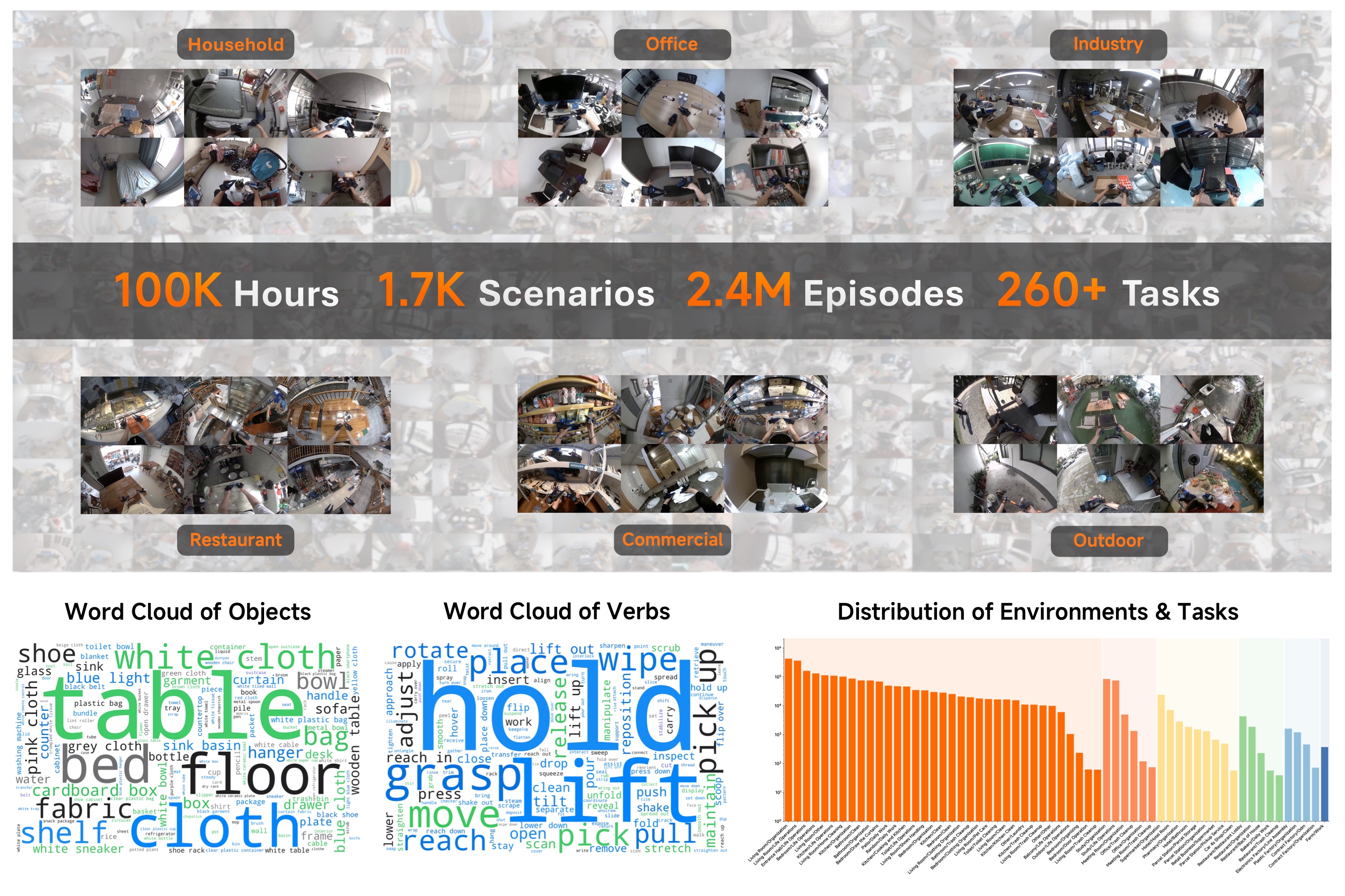
Xiaomi's laundry-folding robot is trained like an LLM, but its code isn't public yet (robotics.xiaomi.com)

XR-1 tops every rival model Xiaomi tested it against on four manipulation benchmarks, RoboCasa, RoboCasa365, VLABench, and RoboDojo, and the company says its accuracy scales as predictably with more data as a language model's does.

Developers who went looking for the promised open code found only leftovers from Xiaomi's previous robot model: the GitHub and Hugging Face repos for XR-1 itself were empty.

A rural bowling alley swapped a $120,000 vendor system for $1,600 of chips (news.ycombinator.com)

section33 (who runs an SRE and bespoke-tech consultancy on the side) tore out his bowling alley's original scoring hardware and rebuilt it lane by lane with off-the-shelf microcontrollers, open-sourcing the whole project as OpenLaneLink.

The sharpest pushback in the thread wasn't about his code — a longtime DevOps engineer argued the vendor's price was never really about parts: it buys a phone number to call, and a lane fixed in an hour instead of a weekend, when it fails mid-league night.

The camo trick meant to fool AI drones may make trucks easier to spot (economist.com)

The Economist's report has soldiers painting trucks in looping stripes and blotches to throw off the machine-vision models steering today's autonomous strike drones, a decades-old fix aimed at a machine that costs far more to build than a can of paint.

One high-karma engineer in the thread called it battlefield theater: modern strike drones barely have the resolution at altitude to make out a stripe, and the pattern may flag the truck to a detection model rather than hide it.

An engineer designed a RISC-V game console's CPU, GPU, and PCB from scratch (github.com)

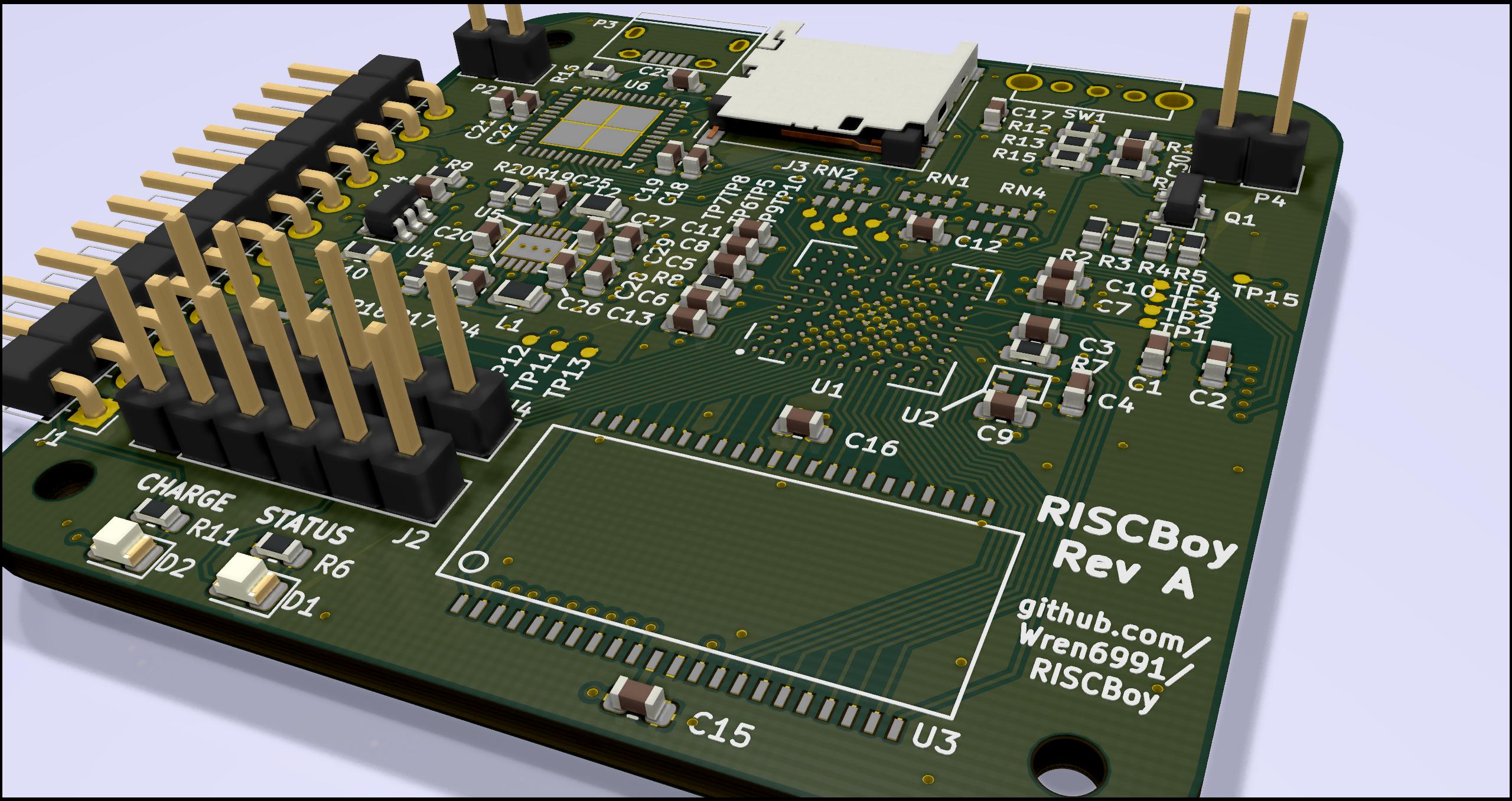
RISCBoy fits on a $65 prototyping board, but nothing above the silicon was borrowed: a custom RISC-V core that passes the official compliance and formal-verification suites, a from-scratch graphics pipeline, and a complete KiCad PCB layout, all written solo in Verilog.

The thread placed the author fast — Wren also built the RP2040's DVI video trick — then produced a bigger reversal: the founder of an open-silicon shuttle service says a version of RISCBoy already got taped out as real hardware. He still doesn't know if it works.

Years of Thunderbolt dock wake failures ended with a new monitor, unexplained (fabiensanglard.net)

Sanglard tried two CalDigit docks three years apart, on both a MacBook Pro and a ThinkPad, plus a Thunderbolt 4 certification that explicitly mandates reliable wake-from-sleep. None of it worked. What finally fixed it was replacing the monitor, not the dock, and he still can't explain the mechanism.

In the thread, dozens of readers reported the identical bug across Anker, HP, Dell, OWC and Lenovo hardware — and one found a $20 used Lenovo dock, after a firmware update, more reliable than a $400 CalDigit.

Cars went all-touchscreen to save money, not because screens are better (ben.stolovitz.com)
Sandy Munro pegged the redundant buttons on the 2022 Bolt EV at $15 a car. At Ford, adding a single part number reportedly runs $75,000. Ferrari's CEO has said touchscreen buttons cost about half what physical ones do.

The thread's rebuttal: good touchscreen software is anything but cheap.

The EU is forcing Nintendo to make Switch 2 batteries user-swappable (nintendo.com)

The revised Switch 2 console weighs roughly 10g more and carries a 1% smaller battery; the new Pro Controller battery is about 16% smaller. Nintendo's pitch: you'd never notice.

It swears there's "no difference in functionality" between old and new hardware, a phrase readers turned straight back on it.

reMarkable tablet turned into Tom Riddle's diary; is it just a chat UI? (github.com)

Stop writing for about 2.8 seconds and the page is snapshotted as a PNG and sent to a vision LLM; the answer inks back on-device in roughly 0.9 to 1.1 seconds, in a 'Dancing Script' hand.

Bob Nystrom, who wrote Crafting Interpreters, asked the obvious thing: strip the glow, the keyboard, the window, and isn't this just a chat UI?

The "open" repairable printer that isn't open source and has no working prototype yet (opentools.studio)

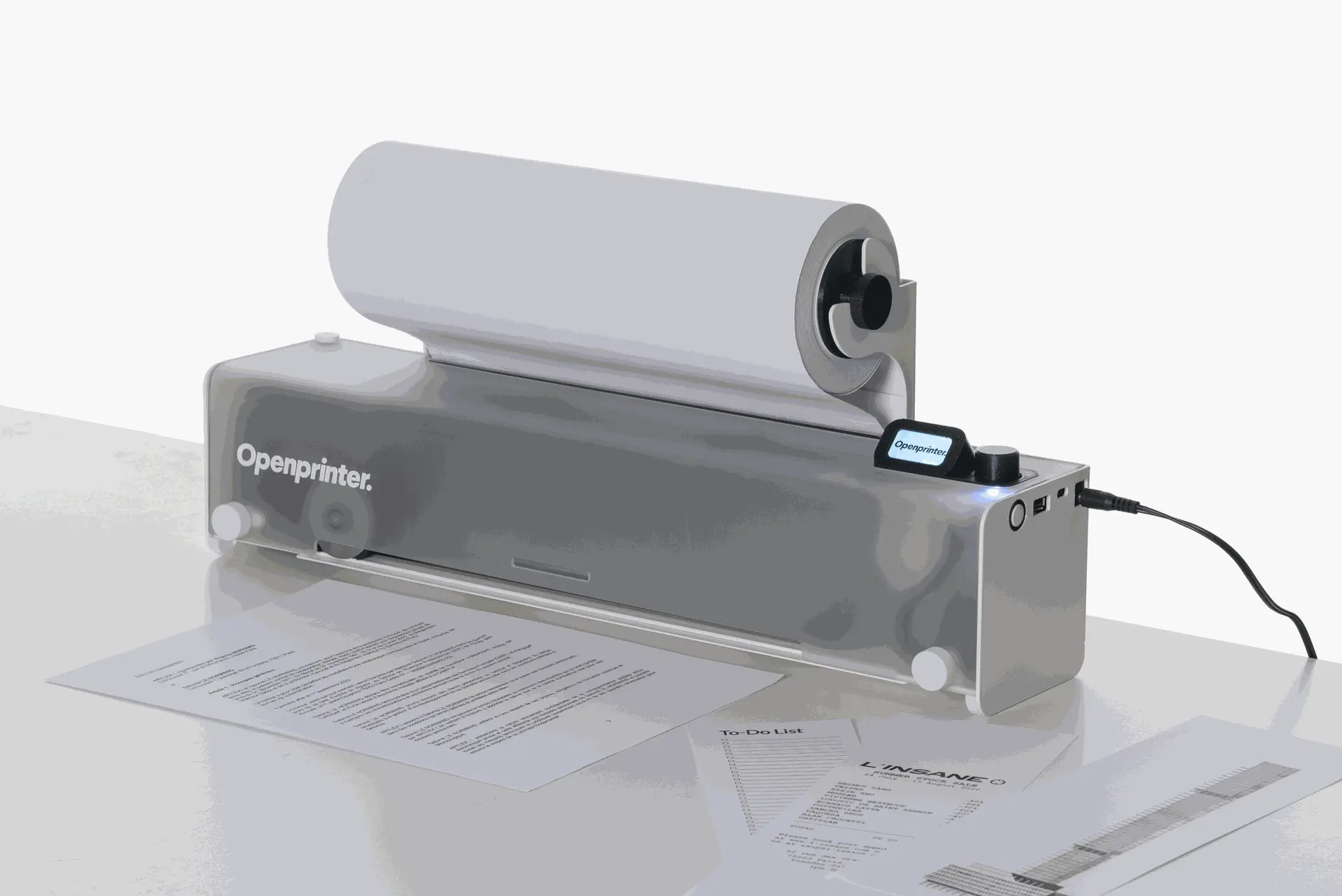
OpenPrinter pitches refillable HP-compatible cartridges from bulk ink, cut sheets or paper rolls up to 37.5 m, a Raspberry Pi Zero W and CUPS. No price, no timeline, and a crowdfunding page with no demonstrated prototype.

The teardown is brutal and expert: open inkjet doesn't exist because the hard part — the print head — is materials science nobody hand-rolls, the whole design still depends on a commercial cartridge that clogs, and its license (CC BY-NC-SA) means it isn't even open source.

🚀Tech ★ 489 · 💬 122 · Jul 6 · #hardware#open source#BookStack#HP#OpenPrinter+1

Jim Keller's startup wants to mass-produce chip fabs from Texas — a semiconductor expert calls it smoke and mirrors (tomshardware.com)

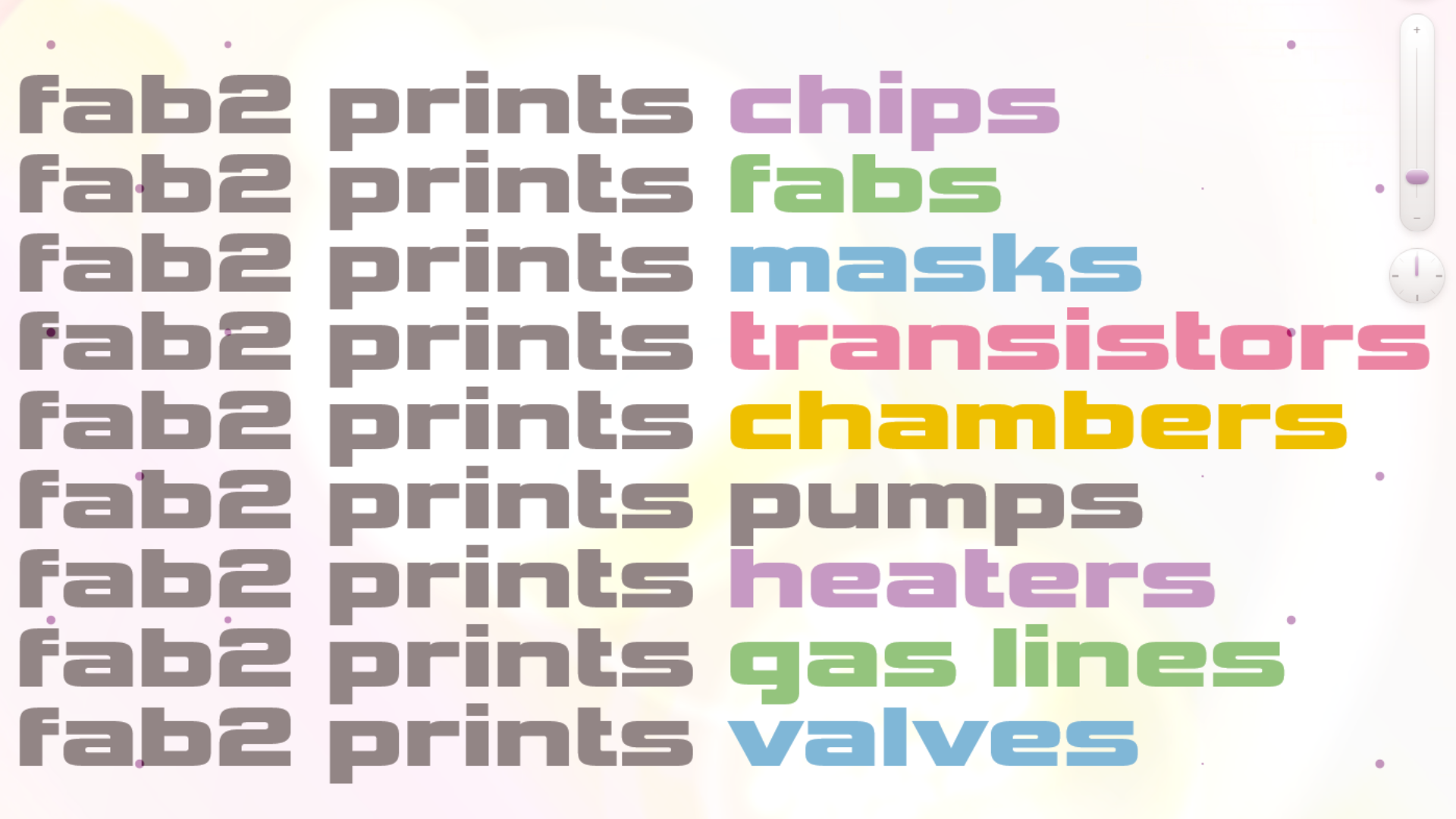
Fab2 now runs three sites — a 120,000 sq ft Austin HQ, a 30,000 sq ft Lockhart "fab fab," and the original SF garage fab — chasing the idea of mass-producing small chip fabs rather than chips, co-founded by Jim Keller and DIY-fab pioneer Sam Zeloof.

A semiconductor insider is unimpressed: no fundamental manufacturing advance, likely electron-beam lithography that suits prototypes, not volume — and why not just verify in simulation?

📈Biz ★ 110 · 💬 28 · Jul 6 · #hardware#startups#Atomic Semi#Fab2#Jim Keller+2

Those slanted blinking "computer" panels in a hundred movies aren't computers — they're 1950s modems (starringthecomputer.com)

Starring the Computer logs specific machines per film and episode with screenshots, from the CDC 6600 to NeXT cubes. It's pure nostalgia reference — sortable by machine or year.

The insider gem: the AN/FSQ-7 panels from 1950s SAGE have appeared in a huge number of movies, still get rented out in LA — and those slanted panels aren't the computer, they're the modems.

🚀Tech ★ 174 · 💬 42 · Jul 6 · #culture#hardware#Apple II#DEC#John Nagle+1

Verizon's app shutdown is about to brick two-year-old kids' watches (jefftk.com)

On July 6, Verizon retires GizmoHub, the app behind Jeff Kaufman's kids' Gizmo watches. Its replacement, Verizon Family, can't yet handle watch-only accounts, so texting, location and adding contacts all break.

Kaufman tried to migrate and hit a wall: his line reads 'ineligible,' and 2FA codes route to a Google Fi number that never delivers. Three support tickets in, nothing has moved.

A 512-byte boot sector that dumps your RAM to a USB stick (github.com)

BareMetal-RAM-Dumper boots without an OS from a 512-byte sector, flips the x86 CPU into unreal mode to reach memory above 1MB, then writes physical RAM to a USB drive in 32KB chunks. The pitch: cold-boot forensics and crypto-key recovery.

It runs only on legacy BIOS, and the thread pokes holes fast. One asks what was actually tested; another notes UEFI firmware would clobber the RAM before the dumper ever runs.

A guide sells a $40k rig that runs 'almost Opus' locally. The thread does the math: that's 17 years of the subscription (github.com)

The guide is practical: a ~$2k entry rig (two RTX 3090s, 48 GB VRAM) running a 27B model, up to a ~$40k build (four RTX 6000 Pro, 384 GB) running a REAP-pruned, quantized GLM-5.2 at ~80 tokens/sec. The trick is prioritizing raw VRAM and cheap PCIe4 switching over expensive infrastructure.

Builders in the thread aren't buying the top tier. One prices the same intelligence at 8×H200 (~$400k, not $40k); another who spent $4,200 says even that wouldn't pay off against subsidized tokens today.

🚀Tech ★ 294 · 💬 128 · Jul 4 · #AI#hardware#Claude Opus#GLM 5.2#Qwen+1

Valve 'open-sourced' the Steam Machine's e-ink screen. It turns out to be an off-the-shelf Adafruit part (gamingonlinux.com)

Valve released the design files for the Steam Machine's front-panel e-ink screen so owners can build or print their own faceplate instead of buying one. The catch, surfaced in the thread: the display is a standard Adafruit 5.83-inch e-ink panel, and Valve explicitly won't sell its own.

So 'make your own' collapses to 'buy a commodity panel and Valve's mounting files' — and readers question modding a $1,049 prebuilt device at all.

The US government quietly became a shareholder in 26 companies. Someone added it all up (moeonmargin.substack.com)

The move that recurs isn't a stock purchase — it's the off-take deal, where Washington becomes co-owner, co-funder and guaranteed customer at once. The MP Materials template: a stake plus a 10-year rare-earth price floor plus a promise to buy the output.

HN reached for every ideology at once — socialism, fascist corporatism, state capitalism. The most grounded voice wasn't reaching: a former Obama/Biden-adjacent policy hand, now a VC, called it bipartisan industrial policy with a long lineage, not an aberration.

Someone translated the entire Rust compiler into 46 million lines of C (github.com)

The goal isn't the 46M-line artifact; it's the tool that produced it. The author's 'cilly' compiler probes the target C compiler with tiny witness programs instead of assuming anything beyond ANSI C, and can even compile over the network — so 'unsupported target' stops being a knock against Rust.

The thread found the genuinely useful uses. An ex-compiler developer gave a flat endorsement. Others pointed to easier Rust bootstrapping and a security trick: use crustc for Diverse Double-Compiling to check whether the official rustc has a backdoor. The skeptic's fair point: who trusts a beta transpiler on an exotic target?

Asahi Linux 7.1 brings M3 audio and custom video-decode firmware (asahilinux.org)

On M3 machines, the speakers and headphone jack now play through I2S controllers unchanged since the M1, and CPU frequency switching with big.LITTLE scheduling finally places work on the right cores.

Rather than extract Apple's video-decode blob, the team wrote custom AVD firmware, giving a V4L2 driver that decodes 10-bit AVC up to 4K.

One developer warns the custom-firmware bet could collapse the day Apple decides to sign firmware blobs in hardware.

A $7,999 home robot that phones a human to finish your laundry (weaverobotics.com)

Isaac 1 costs $7,999 plus about $449/month and ships Fall 2026. Weave's own copy says it finishes "Laundry Flow" and "Daily Reset" autonomously by default but falls back to a human teleoperator to guarantee task completion.

That line drove the thread: commenters note the demo video cuts away at the hard folding moments, peg the design as a Roborock arm on a pole, and ask why $449/month beats a cleaner who won't stream your home to a remote worker.

Overlapping CPU bookkeeping with GPU math bought Moondream 35% more throughput on a B200 (moondream.ai)

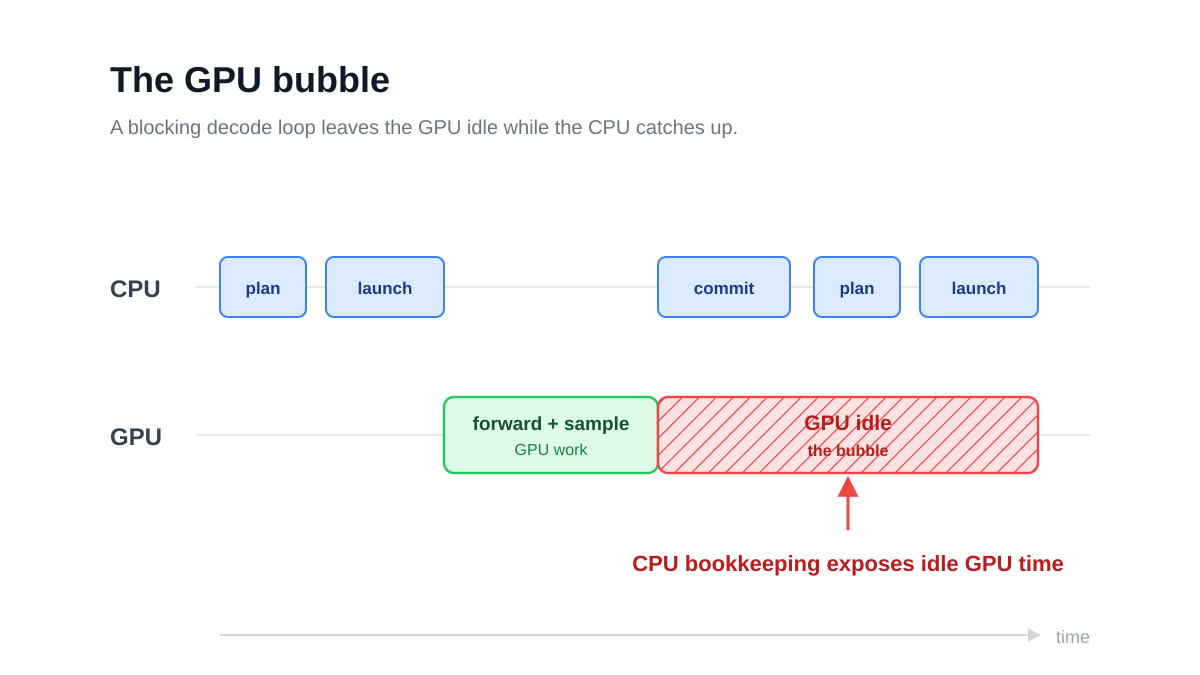
In LLM token generation the GPU often sits idle, not for lack of work but because the CPU hasn't finished housekeeping for the next token. Moondream calls that gap a GPU bubble and rebuilt its Photon engine to hide it, overlapping the next forward pass with the sampling of the previous one.

The payoff scales with the machine. On an RTX 3090 the trick adds about 6.5%; on a B200, where CPU sync is a bigger slice of a tiny 2.4ms forward pass, it adds 35.4%. An inference engineer pushed back: the win looks this big only because the model is small.

A startup fired up the first private non-light-water reactor in four decades (antaresindustries.com)

Antares hit initial criticality on its Mark-0 microreactor at Idaho National Laboratory, the first privately developed non-light-water reactor to go critical in the U.S. in over four decades. The fuel is BWXT-made TRISO pebbles; the roadmap reads criticality 2026, electricity 2027, 'power to the warfighter' 2028.

The thread caught the tell: the milestone is real engineering on schedule, but the end user is a military base, not the grid, which is why the commercial-power pitch rings hollow to some readers.

A 27B model runs local coding well — on a $6,699 laptop that burns your fingers (quesma.com)

The post pits the dense 27B against the faster 35B mixture-of-experts variant and argues for quality over throughput — 'I'd rather generate a third as much code, but of higher quality.' It ran the model through a hex-minesweeper build and a candle-shop landing page.

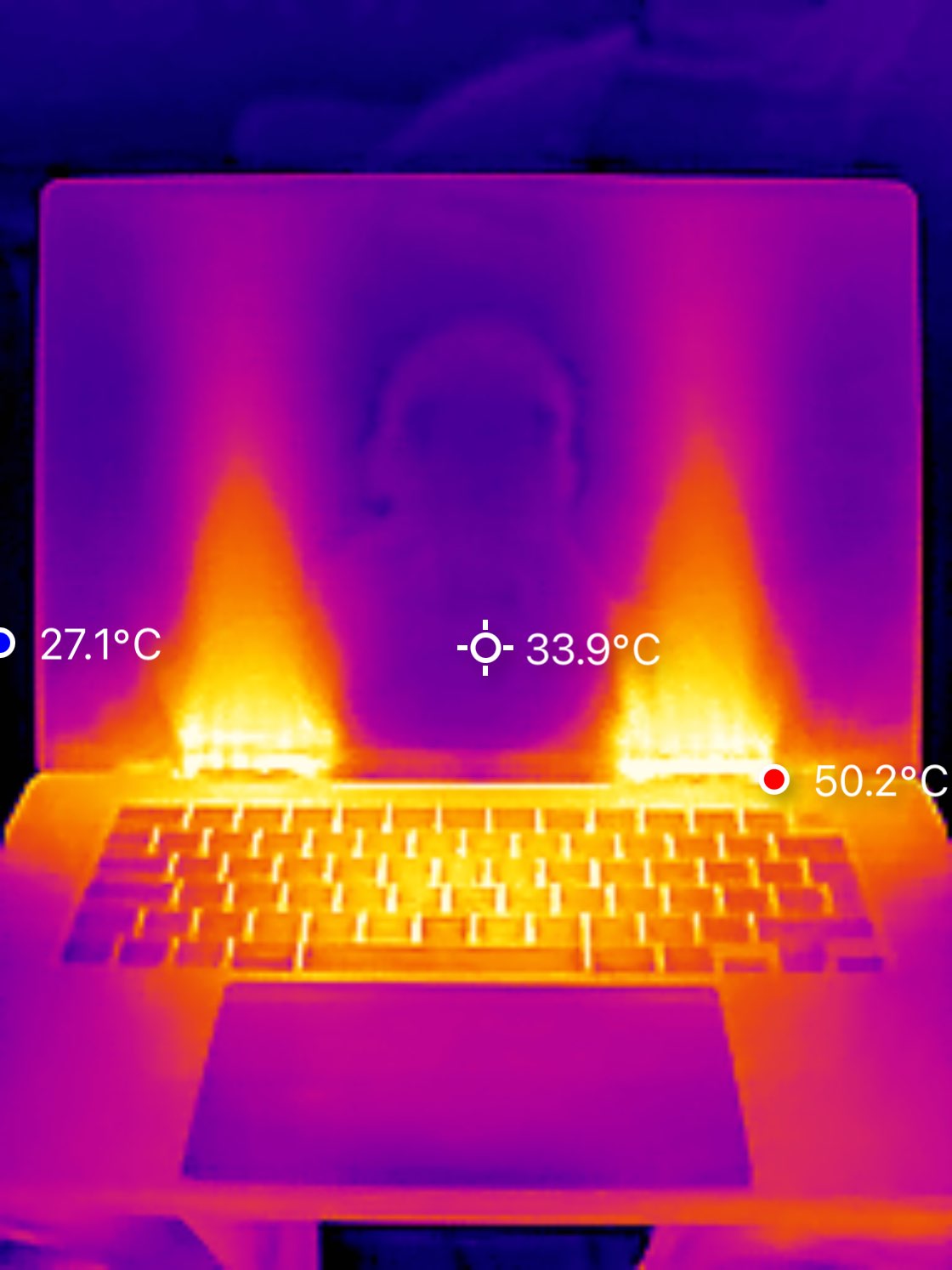
A founder who owns the exact machine pushed back hard: run a heavy job on the laptop itself and your fingers burn and the fans scream. His fix — stick a Mac Mini in the basement and reach it over Tailscale, at a third of the price.

🚀Tech ★ 649 · 💬 528 · Jun 30 · #AI#dev tools#hardware#Apple#DeepSeek#Gemma+2

Memory giants sued for price-fixing again. The thread says they don't even need to (en.sedaily.com)

A fresh US lawsuit alleges the three DRAM makers coordinated the shift to high-bandwidth memory and the killing of DDR3 and DDR4 to keep supply tight and prices high. It points to Apple's sweeping product price increases as the trigger.

The skeptics in the thread, several with high karma, made an awkward point: with AI demand so hot that margins run near 80%, nobody has any reason to collude. And it isn't the first attempt: a near-identical 2022 suit collapsed when plaintiffs couldn't prove an agreement ever happened.

📈Biz ★ 371 · 💬 174 · Jun 30 · #hardware#markets#policy#Apple#CXMT#Micron+2