A Tesla on a driver-assist system killed a woman in her own house, and the thread fought over the title
A Model 3 left the road in Katy, Texas at high speed and struck a home; a woman inside was airlifted and died. The sheriff said an automated system was active. The argument that erupted was about who the headline is allowed to blame.
No charges yet; the driver was uninjured-ish, cooperative, not intoxicated, and reportedly failed to keep a single lane. Tesla's own site says the feature 'requires active driver supervision and does not make the vehicle autonomous'.
The line that stuck: naming a product 'Full Self-Driving (Supervised)' is like selling 'Healthy Dog Food (Rat poison)'.
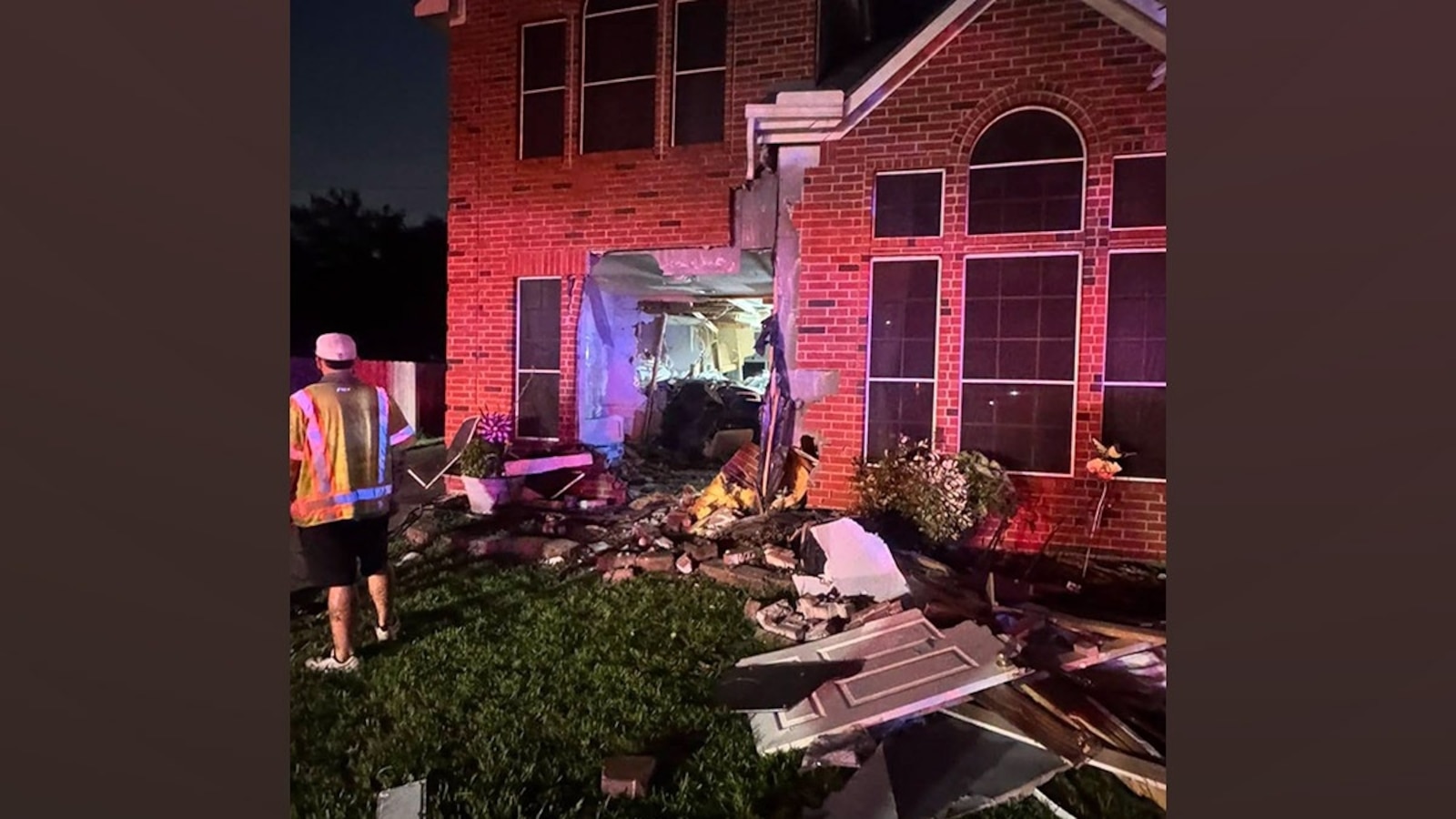
What is known, and what isn't
ABC News reports that on June 19, 2026, around 8 p.m., a Tesla Model 3 struck a house in Katy, Texas "at a high rate of speed." A woman inside was airlifted and pronounced dead. The Harris County Sheriff's office said the vehicle "was operating with an automated driving assistance system," but stopped short of confirming Autopilot or Full Self-Driving. The driver was injured, showed no signs of intoxication, was cooperating, and had allegedly failed to stay in a single lane before leaving the road. No charges had been filed as of that weekend.
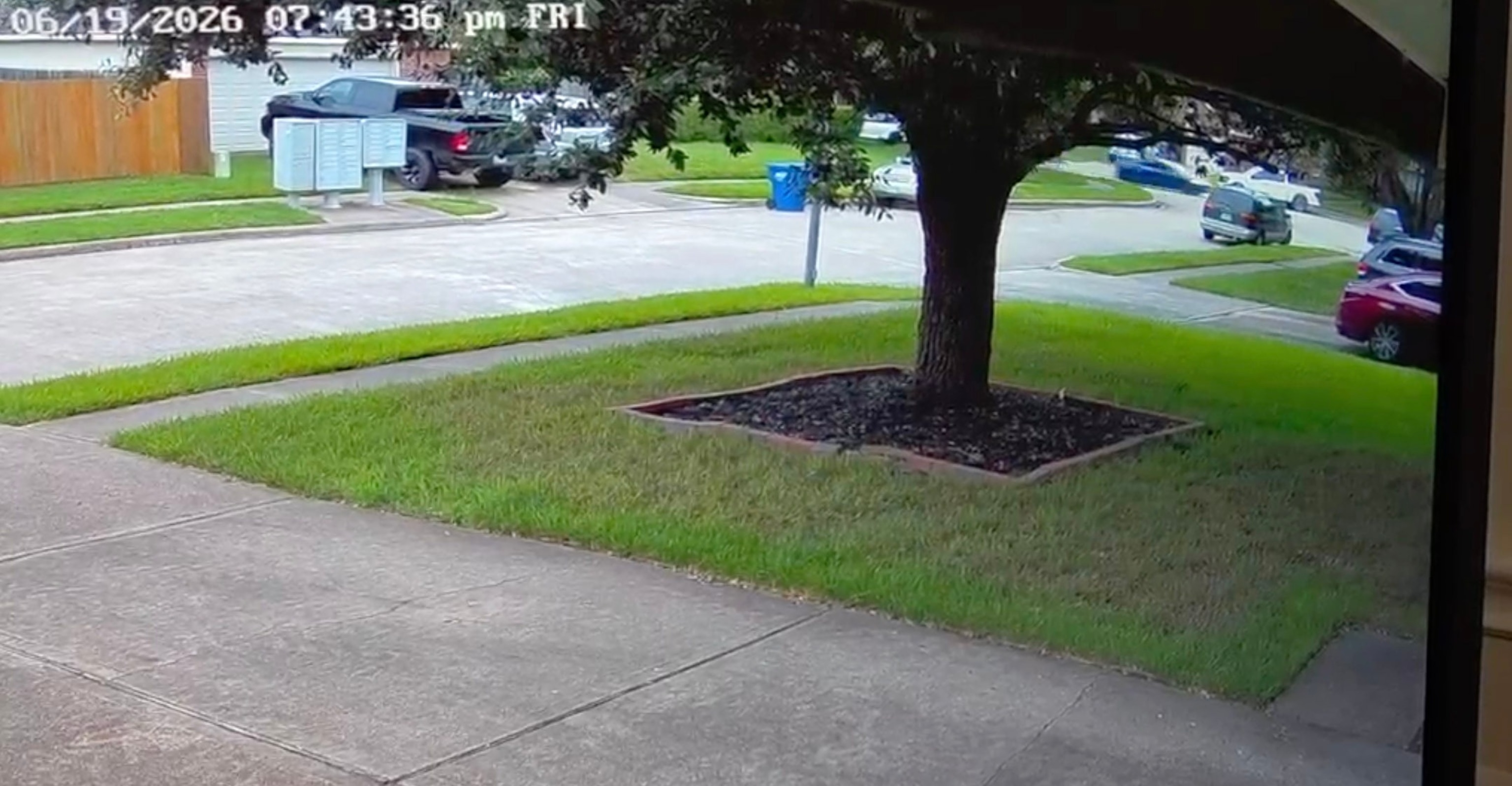
The fight over the word "Autopilot"
The thread split immediately on whether the headline blames the machine for the human's failure:
"The title is misleading and shifts blame from the driver to the machine. Ultimately the driver is responsible… from Teslas own website it states 'Currently enabled features require active driver supervision and do not make the vehicle autonomous.'" — a commenter citing Tesla's own disclaimer
The counter accepted the supervision point and turned it into an indictment of the branding:
"it is outrageous that Tesla calls it 'Full Self-Driving (Supervised)' on their website. This is like naming a product 'Healthy Dog Food (Rat poison)'. If it requires supervision, it is not 'full'. Period." — a commenter on the contradiction in the product name
The comparison that does the real work
A more technical voice moved the argument off liability and onto capability, contrasting Tesla's approach with the one robotaxi that does stop for the speed limit:
"FSD doesn't abide by speed limits, and Waymo does, and it is truly self-driving… Street-by-street speed limit data exists… Tons of map data to tell you where is residential and commercial… So, it's all bullshit." — a commenter comparing FSD with Waymo on map and speed-limit compliance
A long-time FSD user urged everyone to wait for the data, and in doing so revealed how murky "was it on?" really is:
"there's loads of things you can do to create an accident like press the brakes or accelerator pedals, which doesn't necessarily disengage FSD right away, so let's just wait for the telemetry" — a driver reporting about 10,000 km on the latest FSD hardware
The naming is the story
Both camps are partly right, and that is the point. The driver is legally responsible; the system is supervisory; the telemetry isn't public yet. But the recurring fight in the thread is not really about this crash — it's about a product sold as "Full Self-Driving" that legally is not, marketed in a way that invites exactly the inattention its own disclaimer forbids. Until the name and the fine print agree, every crash like this one starts with an argument about the headline instead of the road.
Get breakdowns like this every day
The top Hacker News stories, unpacked — by email, Telegram, or RSS.
Europe wants to build its own social media, and the thread coined a word for the plan: openwashing
A manifesto signed by 67 organizations proposes a European, open-protocol answer to US-controlled platforms. The sharpest replies argued the continent is reaching for openness as a sovereignty tool, not a user-freedom one, and that the answer is less social media, not a clone.