Greek GDP is back, yet 68% of households say they can't make ends meet
Average Greek household wealth has climbed back to €117,936, up 23% since the Ukraine shock. It is still a fifth below 2009, GDP per capita sits 25% under its peak, and 68% of households say they struggle to get by, against 19% across the EU.
Between 2009 and 2016 the average Greek family lost roughly 35% of its assets. The recovery since then has flowed to people who already held assets: those who can invest compound their gains, those who can't stay exposed. Almost 35% of Greeks now call themselves poor.
A resident put the macro chart into a wage: salary about €1,000 a month, houses €150-300k and rising on foreign money, an official six-day, 48-hour week. Tourism wants cheap labour and bought-up property, he wrote, and little else.
A recovery measured in averages, lived as a shortfall
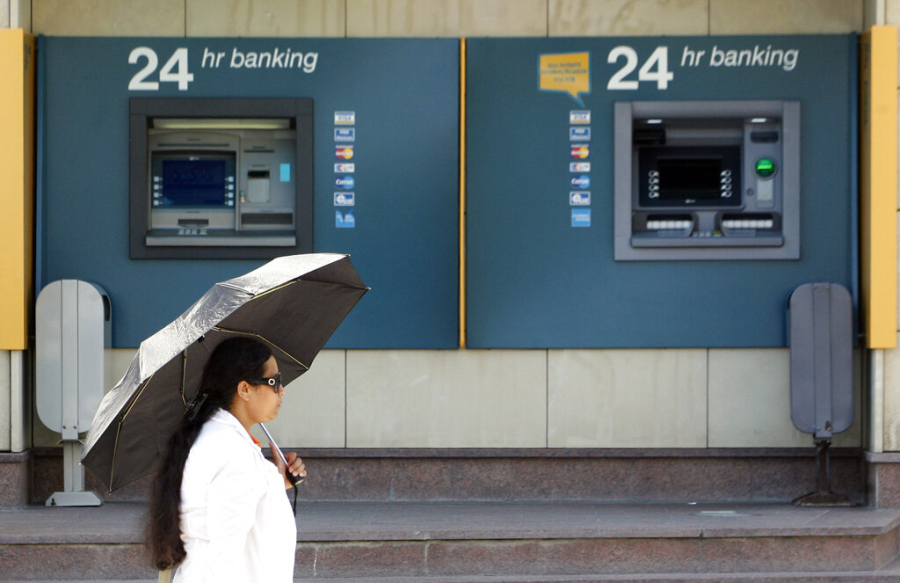
The dnews piece lays out a gap between the aggregate and the felt. Average household wealth has recovered to €117,936 — up 23% since the post-Ukraine crisis — yet still sits nearly a fifth below 2009. Real GDP is almost 14% under its 2007 peak nearly two decades on; GDP per capita about 25% below its 2009 high; productivity barely half the EU average. Housing now eats one of the largest shares of disposable income in the Union. The numbers that bite: 68% of Greek households say they struggle to make ends meet versus 19% across the EU, and almost 35% of Greeks count themselves poor.
The author's explanation is a snowball: recovery accrued to asset-holders, who "can invest, diversify and generate further returns, while those with limited assets remain vulnerable." Structural drag stays put — long-term unemployment, low workforce participation, heavy self-employment, dependence on tourism, and a school system propped up by costly private tutoring that throttles mobility.
The locals do the conversion the article skips
The thread split between readers calling the headline ragebait and people on the ground filling in what the averages hide. A recovering policy wonk turned VC pasted the lines most commenters had skipped — the 35% wealth collapse and the embedded structural weaknesses — with one verdict:
"Greek households still haven't recovered from the Eurozone and Greek Debt crisis."
A resident answered the macro chart with a budget.
"normal salary €1000 per month; houses €150–200–300k; house prices are rising because of foreign investors … Officially, it's a 6-day working week - 48 hours (!)" — a commenter who says he lives in Greece
Another local pointed at the mechanism of the recovery itself: the books were balanced on consumption, not income.
"While income taxes are low … the indirect taxing is the way the Greek Goverment managed to recover. The prices of everyday goods rose (sometimes more than double) and the profits from VAT(24%) with them." — a Greek commenter on how the budget was repaired
The methodology hawks wanted the averages thrown out entirely. "Average wealth? Per-capita gdp? Pointless. Give me the decile values, or just show the histogram," wrote one reader who flagged it as bad reporting on sight. One commenter went and built the alternative he wanted, charting median household disposable income instead of GDP and marking 2014 as the turning point. The article's own snowball thesis already concedes the point the deciles would make — the recovery was real and it was uneven — but reframed through a resident's €1,000 salary against a €200k house bought with foreign capital, "richer" stops describing the same people the GDP line is climbing for.
Get breakdowns like this every day
The top Hacker News stories, unpacked — by email, Telegram, or RSS.
A documentary says school was built to make critical thinkers. The thread says the ideal never survived scale
CBC's Ideas traces the modern school system to Wilhelm von Humboldt, who wanted education to produce independent, critical minds through Bildung. The comments arrive with a stack of counter-histories.