A two-dose nasal spray rejuvenated aging brains — in 18-month-old mice
Two squirts up the nose, and 18-month-old mice recognized objects like younger animals, with hippocampal inflammation staying down for months. Texas A&M's press office called it reversing brain aging. The thread called it something narrower.
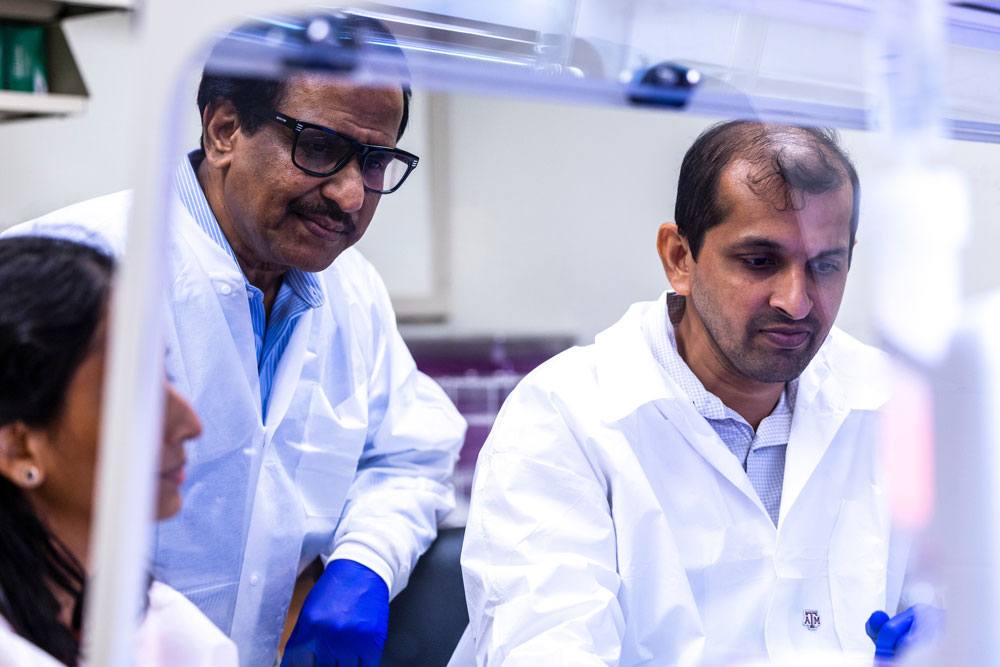
Ashok Shetty's lab at Texas A&M dosed 18-month-old mice twice with extracellular vesicles from human stem cells, sprayed up the nose. Object-recognition memory improved; inflammation markers in the hippocampus dropped and held for months.
The press release says 'reverse brain aging.' The thread says something smaller: it lowered inflammation, in mice, and no human has tried it. A neuroimaging scientist and a skeptic both landed on the same asterisk.
Two squirts up the nose, and aged mice remembered better

The study behind the headline is narrow and specific. Ashok Shetty's group at Texas A&M gave late-middle-aged mice, 18 months old, two intranasal doses of extracellular vesicles harvested from human stem-cell-derived neural stem cells, particles carrying therapeutic microRNAs. Measured at 20.5 months, the treated hippocampus showed suppressed NLRP3 inflammasome activity and quieted cGAS-STING signaling, the two pathways driving what the paper calls "neuroinflammaging." Neuronal mitochondria recharged. On object-recognition tests the animals got better at spotting both familiar and new objects, and the effect held for months.

The team has filed a US patent. The Texas A&M writeup pitches a spray that could "one day replace invasive procedures." One detail it underplays: this ran in mice, and the piece first circulated back in April 2026.
'In mice' — the two words the headline drops
The thread's first correction was also its shortest.
"…in mice." — a commenter who pulled up the underlying paper
Someone with domain standing was more measured.
"High impact journal for an interesting study… The limitation of it being done in animal models, is of course, noted, but also expected." — a neuroimaging scientist who studies memory and brain development
The sharpest pushback went after the verb.
"'Reverse brain aging', sure, in the same sense that taking Vitamin C reverses aging… The nasal spray reduced markers of inflammation in hippocampal microglial cells." — an engineer at Hasura's PromptQL
Another reader reposted the study's actual title, all NLRP3 and cGAS-STING, to show how far the press language had drifted.
"TFA reeks of over-sensationalizing." — that reader
Between "reduced hippocampal inflammation in aged mice" and "reverse brain aging in people" sit years of clinical trials nobody has run yet. That gap did not slow the other half of the thread, already asking when a biohacker gets to snort it.
Get breakdowns like this every day
The top Hacker News stories, unpacked — by email, Telegram, or RSS.
Why forgetting a thought in a doorway points to consciousness
Walk through a doorway and the thought you were holding vanishes. A Birmingham philosopher thinks that tiny failure points straight at where consciousness lives.