He earned a first-class CS degree on Coursera for £17k — a PhD holder in the thread calls his own 11 years a waste
Lex Toumbourou finished a Goldsmiths BSc by distance, through Coursera, in under four years for about £17,000. The comments split hard: a Bachelor-Master-PhD holder calls university a social club, while hiring managers insist the degree is the filter that keeps your résumé alive.
The write-up is concrete: ~3 years 9 months, ~£823 per module, three modules swapped for Coursera certificates, tax-deductible, remotely proctored with Inspera, one group project sabotaged by "ghost" members — and a first-class result he judges worth it.
The thread turns it into a referendum on the credential itself: eleven years of CS degrees called "the biggest waste of time," against recruiters who say the degree is non-negotiable table stakes.
The receipt: a real degree, real numbers
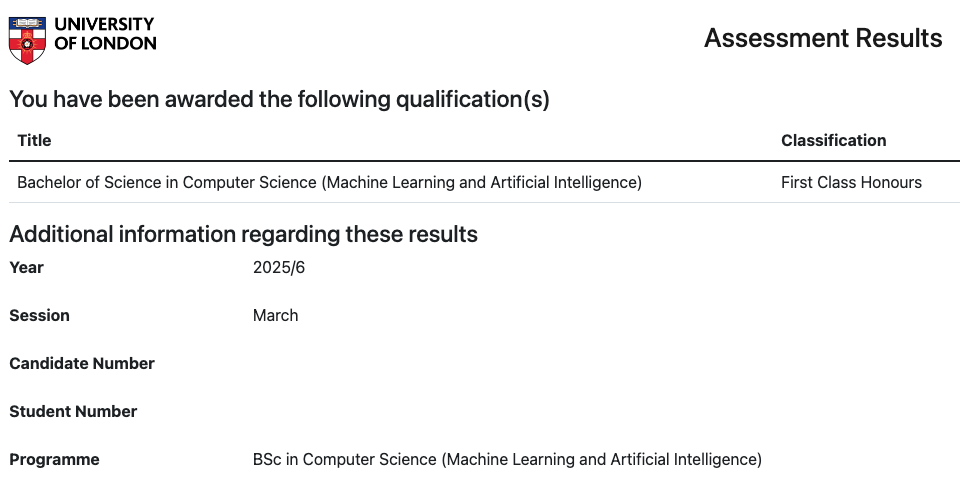
Lex Toumbourou, a senior ML engineer at Canva, documents finishing a BSc Computer Science from Goldsmiths, University of London, delivered by distance through Coursera. The specifics are the point: about 3 years 9 months, roughly £17,000 total at ~£823 per module, three modules swapped for recognized Coursera professional certificates to trim cost, and the whole thing claimed as tax-deductible self-education. Exams were remotely proctored with Inspera, which tightened over time — cheatsheets removed, exam times synced across hemispheres. One mandatory group project got wrecked by "ghost" members who never showed. He earned a first-class result and rates the maths especially worth it.
It reads as a how-to. The thread turned it into an argument about whether the credential means anything at all.
The credential goes on trial
The most upvoted dissent comes from the far end of the education ladder:
"I got a Bachelor, Master, and PhD in Computer Science, with a total of 11 years of education. It's the biggest waste of time of my entire life. … universities are little more than a social club." — a commenter who holds a BSc, MSc and PhD in CS
The hiring side answered from the other direction — the degree as a filter you can't skip:
"This is horrible advice. Hiring is a zero sum game, and a college education is treated as a table stakes requirement which won't change. … Also, bootcamps are useless now." — a former SWE/PM now in venture capital
"HR at my companies filter for college degrees, and basically require 2 - 4 more years of experience (sans degree) or pedigree" — someone who has helped hire engineers for \~5 years
And the proctoring that props the whole thing up got its threat model dismantled:
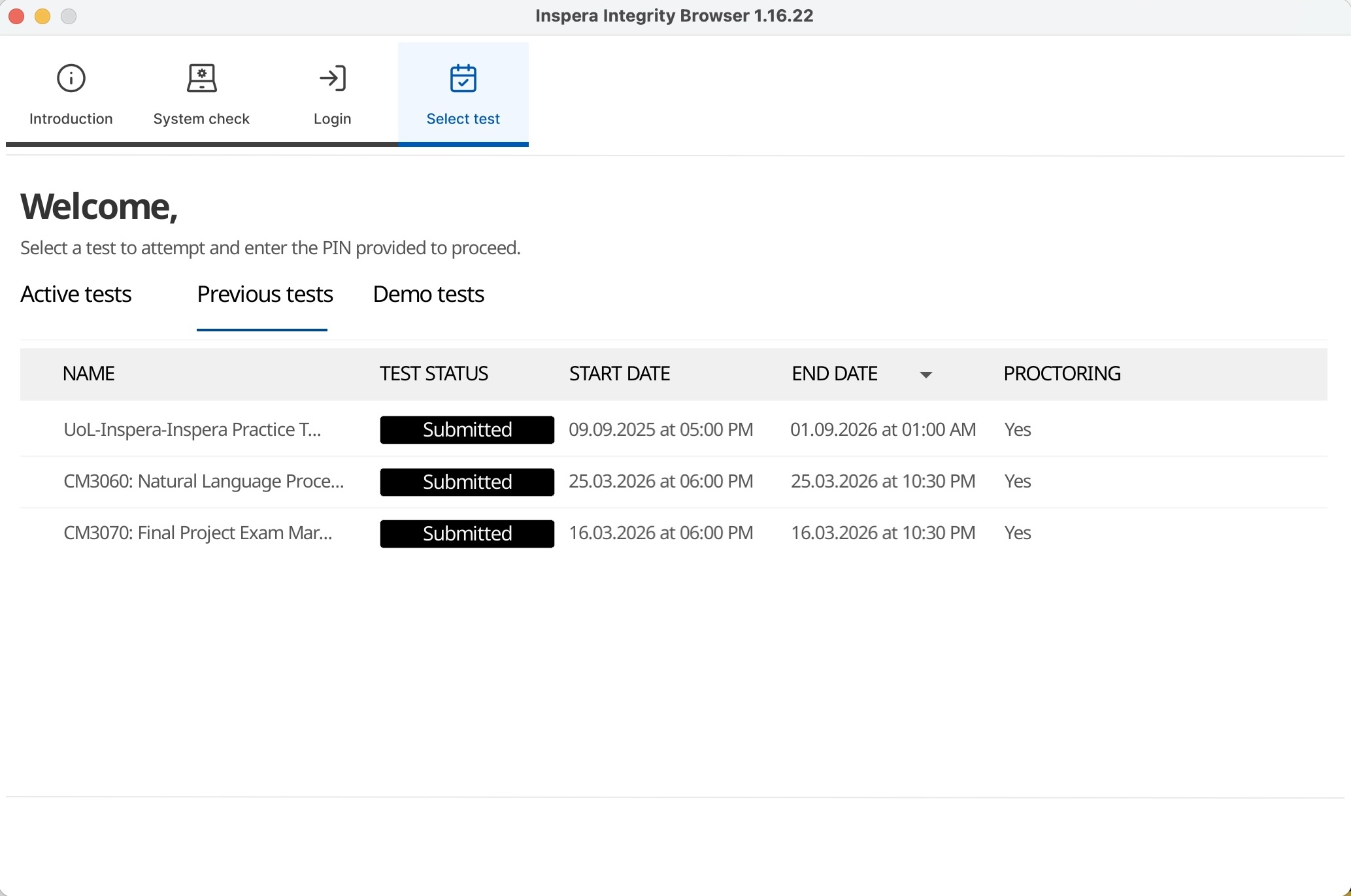
"it's almost trivially easy to cheat with a VM, or, failing that, a KVM switch with real hardware." — a commenter attacking Inspera's proctoring directly
What the split is really about
Notice that the PhD and the recruiter aren't disagreeing about whether the degree teaches you much — both suspect it doesn't. They're disagreeing about what it's for. To the PhD it's a social club that taught him little; to the hiring managers it's a passport that gets your résumé past the first automated cut. Toumbourou's £17k buys exactly that passport, cheaply and around a full-time job — which is a strong deal precisely because the thing he's buying was never really the education.
Get breakdowns like this every day
The top Hacker News stories, unpacked — by email, Telegram, or RSS.
"EV batteries are defying expectations" — the good-news stat quietly compares new cars to old ones
The number looks like a triumph: 1-in-12 early EVs needed a new battery, versus 0.3% of cars built since 2022. Then a commenter points out you're comparing barely-driven new cars to a decade-old fleet — and that calendar aging never gets mentioned.