Solar-panel washing has a surprisingly strict burden of proof
A practical post asked whether washing solar panels is worthwhile. HN turned it into a maintenance calculation: a visible layer of dirt is not yet evidence that cleaning recovers enough output to justify water, labor, and risk.
Panel washing sounds like preventive maintenance, but its value depends on local soiling, rainfall, output loss, cleaning cost, and the chance of damaging equipment or warranty terms.
The thread’s more useful instinct was to measure a before-and-after production difference first. A chore becomes an engineering decision once there is a baseline.
Dirt is observable; payback is not
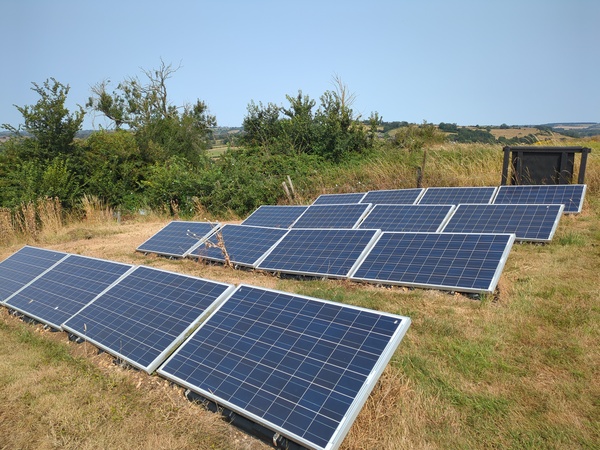
The solar-panel washing experiment asks a deceptively simple maintenance question. Panels get dirty, so cleaning ought to help. But a visible surface condition does not tell an owner how much energy is being lost or whether cleaning repays its cost.
Treat cleaning as an experiment
The sensible first step is to compare production before and after cleaning while accounting for weather and season. A small gain can disappear inside normal variation; a persistent, material difference can justify a schedule. This is especially important because local conditions vary: pollen, dust, birds, salt, tilt, and rainfall do not create one universal answer.
The costs are also broader than a bucket and a brush. Access can be hazardous, water may be constrained, and abrasive methods or unsuitable chemicals can create their own problem.
Maintenance needs a trigger
The practical rule is not “never wash panels.” It is “do not make a recurring task from appearance alone.” Establish an output trigger, test a safe cleaning method, and repeat only where the measured recovery beats the full cost.
That turns a folk maintenance habit into a decision that can improve over time.
Get breakdowns like this every day
The top Hacker News stories, unpacked — by email, Telegram, or RSS.
This is the last story in the July 28, 2026 issue.
Go to the issue archive