A mechanical Magic Keyboard exposes the limits of a beautiful replacement
After two years of design, a maker has built a low-profile mechanical alternative to Apple’s Magic Keyboard. HN immediately turned it into a checklist of the features people cannot give up.
A two-year hardware project aims to pair the compact feel of Apple’s Magic Keyboard with mechanical switches and a more considered industrial design.
The enthusiasm was real, but the comments made the missing details—Touch ID, ISO layouts, keycaps, and ergonomics—the actual product brief.
Replacement is a harder promise than improvement
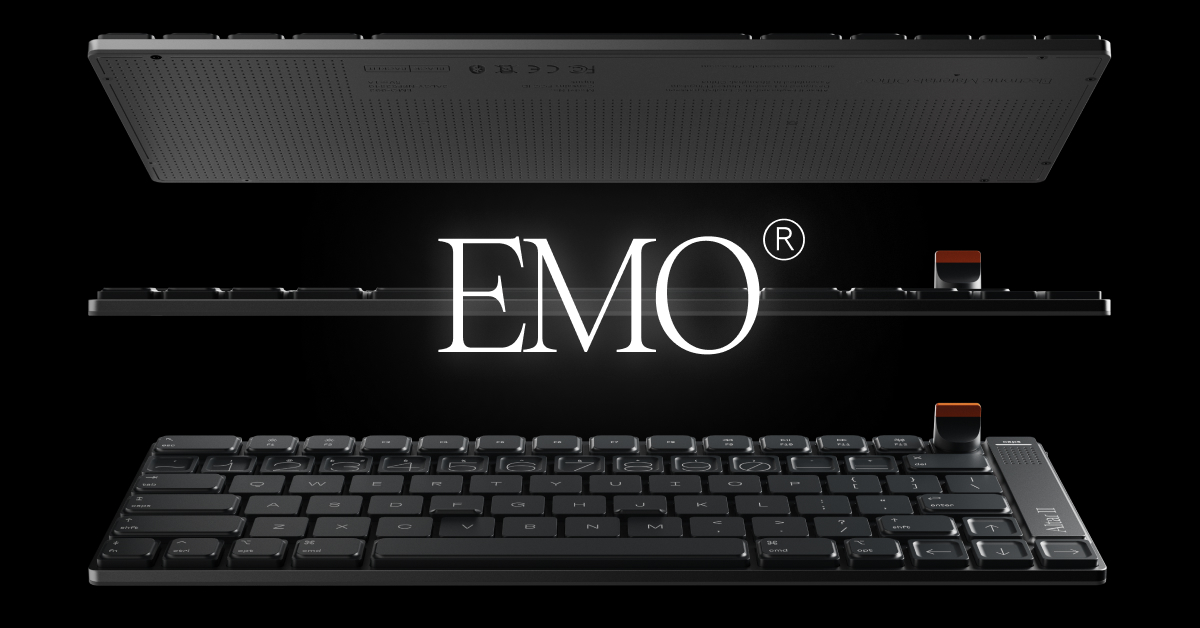
The creator of this mechanical Magic Keyboard spent two years designing a low-profile alternative to Apple’s familiar compact keyboard. The project is a reminder that independent hardware can make a polished, specific object rather than merely add switches and RGB lights.
HN’s reaction explains why replacing an everyday device is difficult. Users praised the design, then immediately asked about fingerprint authentication, ISO support, blank or swappable keycaps, the Globe key, arrow-key layout, and the feel of the switches. For one-handed typists, travel depth itself is an accessibility constraint.
Those are not nitpicks around an otherwise solved keyboard. They are the accumulated reasons people stay with a default device. The project’s strongest signal is that a niche hardware maker can earn interest by matching Apple’s restraint; its hardest work is the final twenty percent of integrations that make a replacement feel like one.
Get breakdowns like this every day
The top Hacker News stories, unpacked — by email, Telegram, or RSS.
OpenAI extends GPT-5.6 Luna access while refining Sol in ChatGPT
OpenAI’s ChatGPT update pairs changes to GPT-5.6 Sol with broader access to GPT-5.6 Luna for free users. The HN response focused on what a simpler model choice means in practice.