Tag

Apple

44 stories

Apple's M6 MacBook Pro claims 24 hours of battery and a memory bandwidth of 170 GB/s (apple.com)

Against M5, Apple claims graphics up to 30 percent faster, AI workloads up to 25 percent faster and a Neural Engine up to 1.9x faster. Memory is 16 GB standard, 32 GB maximum. The quoted bandwidth became the thread's sticking point.

Owners of older machines used it to say they are not upgrading.
🚀Tech ★ 287 · 💬 364 · 10h ago · #big tech#hardware#Apple#M6#MacBook Pro

Not just a headline — the discussion unpacked

The top HN threads: facts from the discussions, both sides, insider voices. Email, Telegram, or RSS.

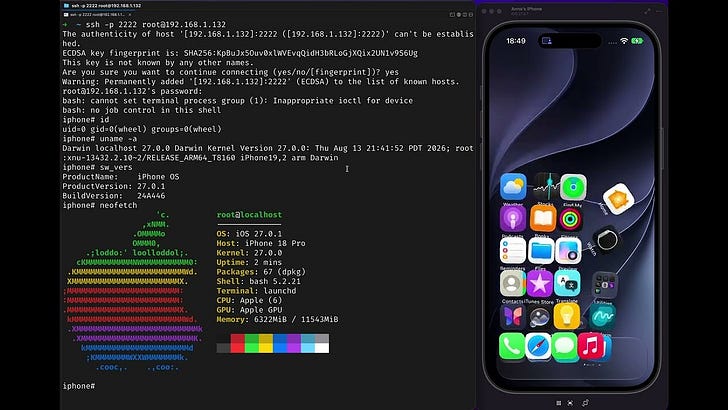
Security firm roots an iPhone from a PDF in iMessage, then posts only demo videos (blog.calif.io)

The demos show a malicious PDF opened through iMessage or Signal ending in code execution, followed by an app that roots the phone. Calif says most of the bugs behind them already went to Apple.

The thread split over a different question: is it responsible to show a working takeover before a patch exists, or is the publicity what gets people to update?

eMudhra quits the global TLS certificate business after its weak CA keys were revoked (emudhra.com)

eMudhra will withdraw from issuing public TLS certificates, keeping revocation services running until every issued certificate has expired or been replaced. Customers get replacements free through partners.

In the thread, a commenter reports that an up-to-date iPhone was still trusting the compromised CAs nearly five days after the report.

📈Biz ★ 940 · 💬 634 · 5 days ago · #big tech#security#web#Apple#eMudhra#Google Chrome+1

iPadOS 27 now shows students your private notes while you AirPlay a presentation (teddysvoronos.com)

Teddy Svoronos says iPadOS 26 behaved correctly: with multiple windows open during AirPlay, the audience used to see only the presenting app. In 27, tapping any other app mirrors everything, poll results included.

Keynote exits the presentation, PowerPoint hangs, GoodNotes recovers. The thread argues over whether hardware deadlines excuse it.

🚀Tech ★ 497 · 💬 254 · 7 days ago · #big tech#dev tools#AirPlay#Apple#iPadOS+1

Four M5 Ultra Mac Studios linked over Thunderbolt 5 run an 816B-parameter model at 36 tokens a second (machinelearning.apple.com)

Apple's MLX team tested tensor parallelism over RDMA on Thunderbolt 5: four machines decode at 36.73 tokens/s at 8,192 tokens of context, against 15.74 with two-machine pipelining. A single M5 Ultra is about 1.6x faster at decoding than the M3 Ultra.

🚀Tech ★ 269 · 💬 123 · Oct 17 · #AI#big tech#hardware#Apple#Mac Studio#MLX+1

Meta's open-weight Muse Spark has 816B parameters. Two Mac Studios can run it (research.meta.ai)

Meta released Muse Spark Open on October 15 as downloadable weights: 816 billion parameters, 42 billion active per token, a 1M-token context window, under a Muse Model License with limited commercial terms. The benchmark section is empty, and the full evaluation report is "available soon".

🚀Tech ★ 787 · 💬 393 · Oct 16 · #AI#big tech#hardware#Apple#Hugging Face#Meta+1

Apple swaps Europe’s per-install fee for a transaction cut (apple.com)

Apple says alternative distribution still requires notarization, while qualifying web-distributed apps move from a per-install charge to the Core Technology Commission.

Developers focused on the awkward edge case: a customer downloads an app directly, pays for a digital service, and Apple takes a share despite not processing the sale.

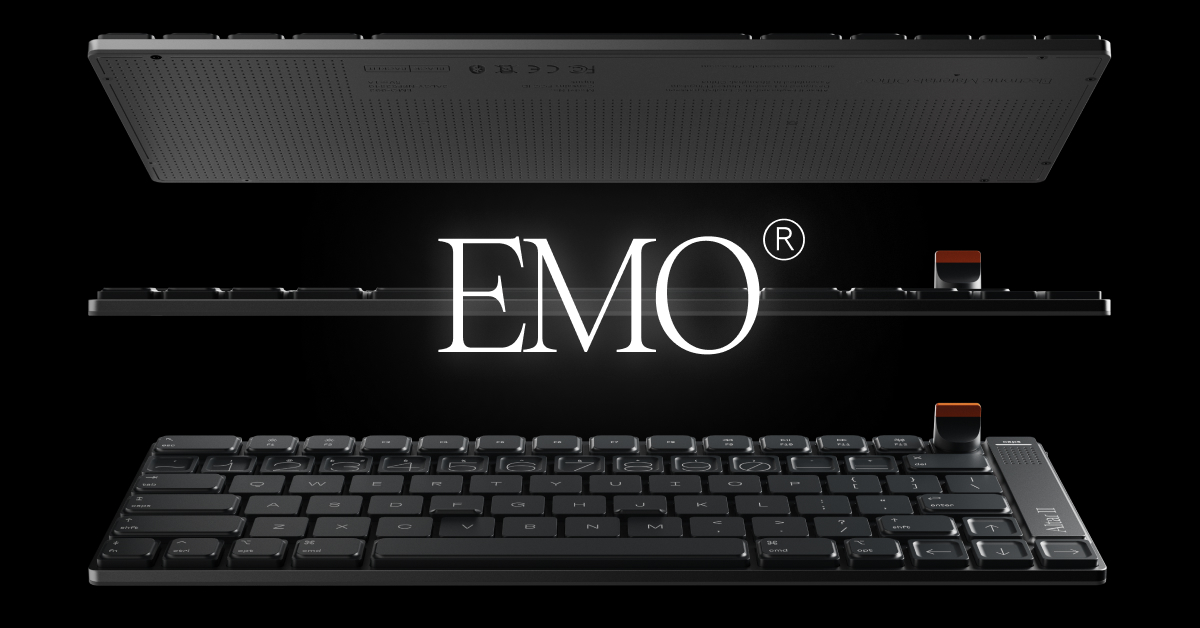
A mechanical Magic Keyboard exposes the limits of a beautiful replacement (electronicmaterialsoffice.com)

A two-year hardware project aims to pair the compact feel of Apple’s Magic Keyboard with mechanical switches and a more considered industrial design.

The enthusiasm was real, but the comments made the missing details—Touch ID, ISO layouts, keycaps, and ergonomics—the actual product brief.

🌍Other ★ 256 · 💬 218 · Aug 7 · #culture#hardware#Apple#Magic Keyboard

A viral tweet blamed passkeys on engineers. The replies blamed Big Tech's device lock-in instead (twitter.com)

A viral tweet argued passkeys flopped with regular users because the engineers who built them have zero feel for the "consumer brain." The thread agreed passkey UX is broken, then went somewhere the tweet never mentioned.

A security engineer flagged the actual landmine: passkeys support device attestation, letting services silently restrict logins to Google, Apple, or Microsoft's own clients — and there's a maintained list of blacklisted alternative apps.

Someone else pointed out passkeys are conceptually just SSH keys with better marketing — and SSH keys never made it past sysadmins either.

Judge Wise Ruled for Apple on CSAM Liability, Then Called It Disturbing (blog.ericgoldman.org)

A federal lawsuit accused Apple of a design defect for never scanning iCloud for CSAM. In the thread, a commenter who mapped NeuralHash's actual architecture flipped that backstory: the on-device scanner was built specifically to make full iCloud encryption possible, not as an apology after 2021's backlash.

A rival cloud-storage founder in the same thread cut through the debate: client-side or server-side, every scanning method lands on the same "privacy rot," the exact tradeoff Judge Wise says now belongs to Congress, not Apple.

Apple Publishes a Security Audit of Its AI Servers That Skips the AI (support.apple.com)

Buried in Apple's fourth straight quarterly SOC 3 report on the servers behind Private Cloud Compute is a line saying the audit was never built to check whether the AI running on those servers actually works correctly, or keeps a prompt private, only the hardware and provisioning process around it.

An HN member with 22,000+ karma called the badge itself unremarkable: a SOC 3 is just a SOC 2 with the evidence stripped out. Another reader called every audit he's sat through a checkbox exercise.

"Web crypto is always snake oil" — and the cryptographers show up to disagree with each other (devever.net)

Landau calls it an "incoherent cryptosystem": the server that wants to read your messages is the same server shipping the JavaScript that's supposed to stop it — and it can push different code to one IP at any moment. He extends the charge to Signal, WhatsApp and iMessage.

The pushback is credentialed on both sides. One security researcher says you can build Signal from source yourself, so it doesn't apply — then, in the same breath, points out iMessage isn't really end-to-end anyway because iCloud Backup is on by default.

Apple's Hide My Email leaked users' real addresses for over a year (easyoptouts.com)

EasyOptOuts says it reported two Hide My Email flaws to Apple in June 2025 that let a third party turn an alias back into your real iCloud address. Apple has twice claimed a fix; researchers say it was still broken as of June 30, 2026.

The firm won't publish the mechanism until it's patched, so the thread reverse-engineers it (a bounced oversized attachment is one guess), while an email engineer says Apple doesn't seem to know or care how its own mail systems behave.

Europe's sovereign digital ID needs Google's blessing to trust your phone (waag.org)

The EU's digital identity wallet uses Google Play Integrity to vouch for a phone, which rejects de-Googled Android as untrusted. Switzerland uses Android's plain Hardware Attestation API instead; Italy and the Netherlands wired in Play Integrity unconditionally.

A Waag researcher argues that route breaches the Digital Markets Act. In the thread, the developer of the Fenrir protocol predicts nothing changes until an antitrust lawsuit lands.

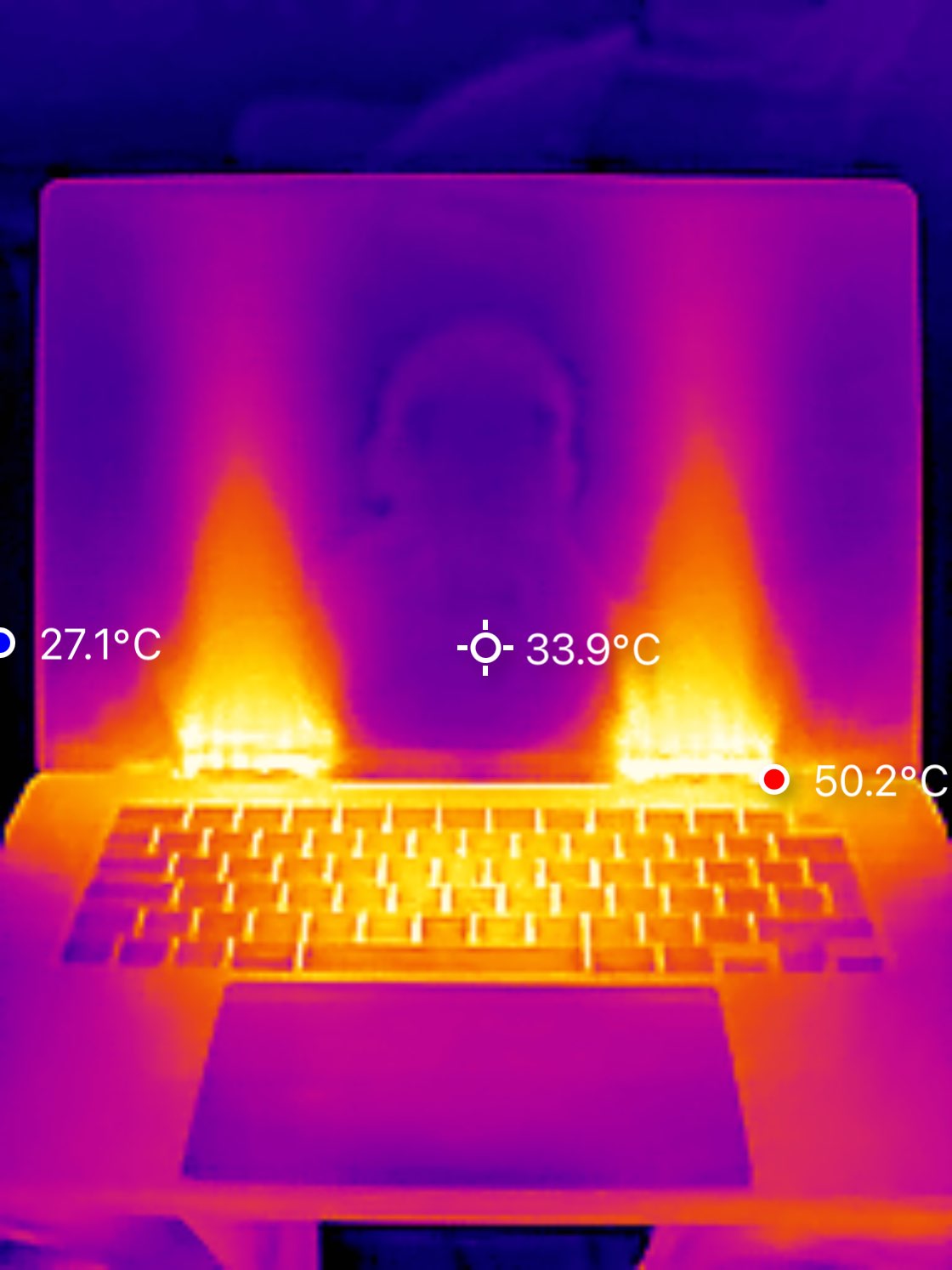
A 27B model runs local coding well — on a $6,699 laptop that burns your fingers (quesma.com)

The post pits the dense 27B against the faster 35B mixture-of-experts variant and argues for quality over throughput — 'I'd rather generate a third as much code, but of higher quality.' It ran the model through a hex-minesweeper build and a candle-shop landing page.

A founder who owns the exact machine pushed back hard: run a heavy job on the laptop itself and your fingers burn and the fans scream. His fix — stick a Mac Mini in the basement and reach it over Tailscale, at a third of the price.

🚀Tech ★ 649 · 💬 528 · Jun 30 · #AI#dev tools#hardware#Apple#DeepSeek#Gemma+2

Memory giants sued for price-fixing again. The thread says they don't even need to (en.sedaily.com)

A fresh US lawsuit alleges the three DRAM makers coordinated the shift to high-bandwidth memory and the killing of DDR3 and DDR4 to keep supply tight and prices high. It points to Apple's sweeping product price increases as the trigger.

The skeptics in the thread, several with high karma, made an awkward point: with AI demand so hot that margins run near 80%, nobody has any reason to collude. And it isn't the first attempt: a near-identical 2022 suit collapsed when plaintiffs couldn't prove an agreement ever happened.

📈Biz ★ 371 · 💬 174 · Jun 30 · #hardware#markets#policy#Apple#CXMT#Micron+2

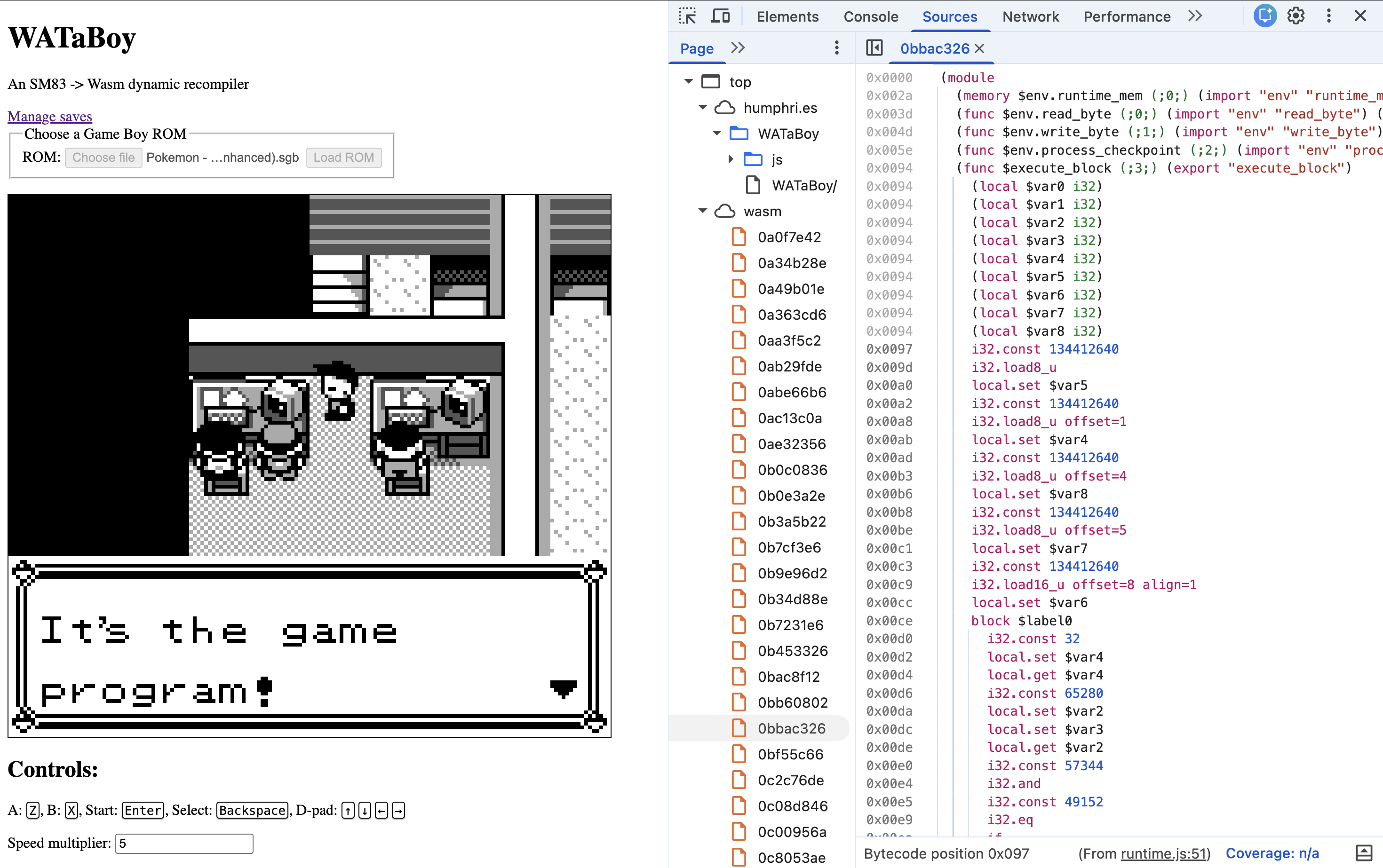
An undergrad's Game Boy emulator beats a native interpreter by JIT-ing to WebAssembly (humphri.es)

The trick is the second layer. WATaBoy emits WebAssembly bytecode for hot game code, and Safari's engine compiles that Wasm to native machine code on its own — so the emulator rides the browser's JIT instead of fighting it.

A systems engineer in the thread deflated the surprise with arithmetic: Wasm overhead runs near 20 percent, an interpreter's loop overhead near 1000. Beating the interpreter was never the hard part. The novelty is a Game Boy JIT runtime existing at all.

🚀Tech ★ 184 · 💬 30 · Jun 30 · #gaming#programming#web#Apple#Game Boy#Safari+1

NixOS 26.05 ships from 2,842 contributors — and LLMs are quietly driving its adoption (nixos.org)

This release pruned hard: 17,532 outdated packages removed to keep nixpkgs maintainable, systemd now drives stage-1 boot by default, and x86_64-darwin support ends here — the last NixOS to build for Intel Macs.

The thread's surprise wasn't the changelog. One full-karma user said what got him over the famously steep learning curve was configuring the whole system with Claude Code; others noted an LLM can read your entire declarative OS and answer accurately instead of guessing at /etc.

LibrePods reverse-engineers AirPods' secret protocol onto Linux and Android (github.com)

LibrePods is a GPL-3.0 project that talks the proprietary AAP/AACP protocol AirPods use with Apple devices, bringing ear detection, listening-mode switching, battery status, renaming and conversational awareness to Linux and Android. Two core Rust files, aacp.rs and att.rs, were AI-translated from Kotlin.

The thread's correction: the earbuds already pair fine anywhere — this only restores Apple-exclusive extras. And one commenter said Android 17 already fixes the Bluetooth bugs that used to need root, so he'd rather fork it than pay the $5 ask.

Apple raised a 128GB MacBook Pro by $2,800 mid-cycle, no new chip attached (reuters.com)

Apple almost never raises prices on a product it already shipped; it waits for a new chip to justify the number. This week it broke that rule across the Mac and iPad lines, blaming a memory-cost spike it called unprecedented. The base iPad went from $299 to as much as $449.

The asterisk from the thread: Samsung, SK Hynix and Micron are now each worth over $1.3 trillion, with memory gross margins reported above 80%. The shortage that 'forced' the hike is also minting the suppliers.

Apple skips the high-end M6 entirely, betting the Mac on an AI-tuned M7 (bloomberg.com)

Apple plans a base M6 for entry Macs this year but is dropping the Pro, Max, and Ultra tiers of that generation — a first — to launch M7 Pro, Max, and Ultra instead, per Gurman. The high-end variants land as late as 2027 and 2028.

The catch an investor flagged: the base M7 targets 240GB/s of memory bandwidth. An Nvidia RTX 6000 already does roughly 1,600. The whole 'AI Mac' pitch rides on whether a future Ultra closes that gap for local inference.

Swift Package Index joins Apple, and Swift developers aren't all cheering (swiftpackageindex.com)

Swift Package Index, the community-run directory of Swift packages, has been absorbed by Apple, with the team moving in-house.

The thread's worry isn't the paycheck but the roadmap: Apple flagged 'developer identity' as a future direction, and one Swift developer fears an official Apple brand will eventually decide which packages get listed at all.

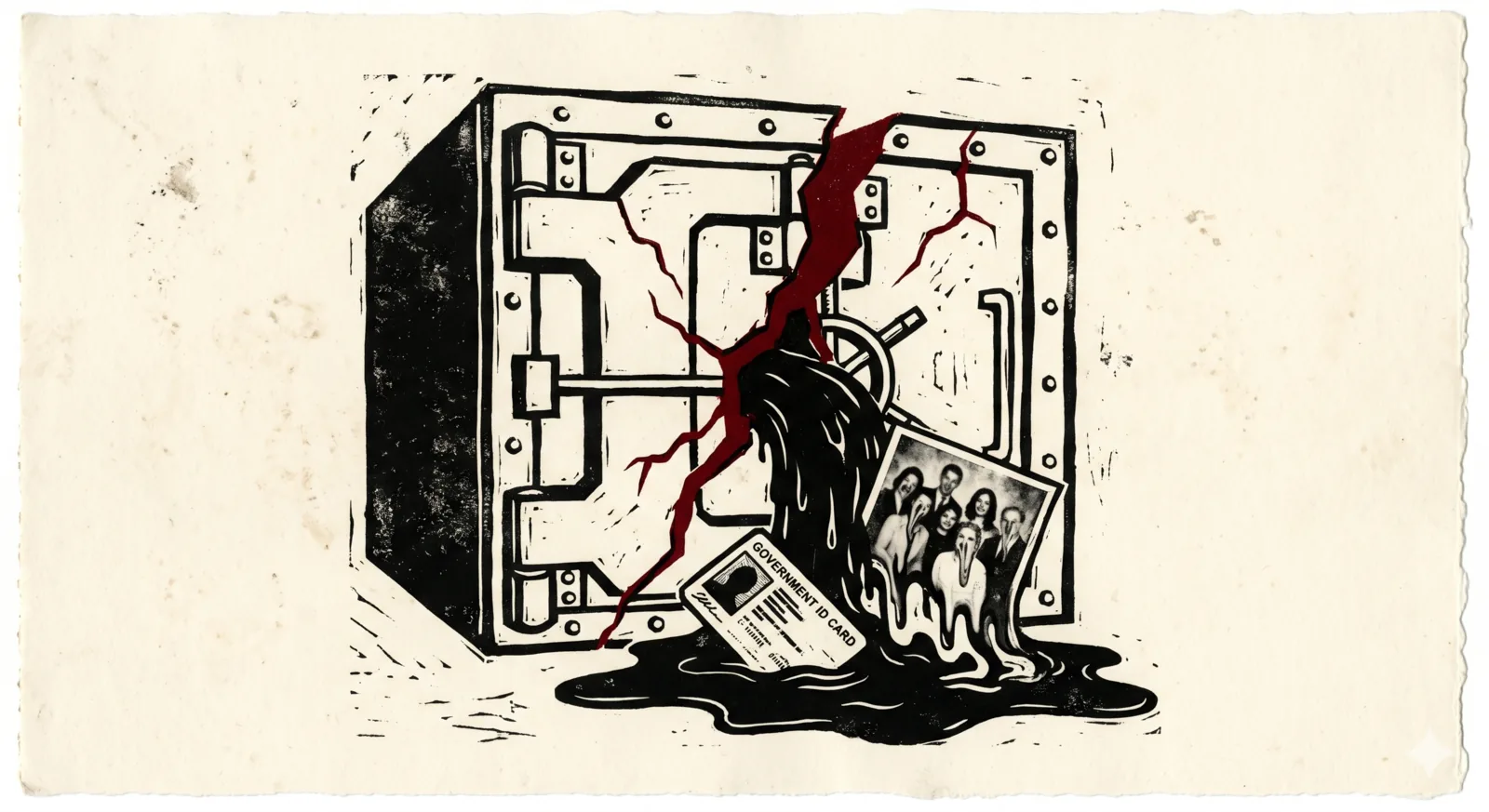
A Manifesto Says Refuse Face Scans Because You Can't Change Your Face (nevergivethemyourface.com)

The site separates age verification (a yes/no) from identity verification, and urges mass non-compliance to deny the schemes their needed cooperation. The flip: a commenter notes 50,000 departures out of 2 billion users is a rounding error, so the leverage simply isn't there.

The best sync engine you don't manage runs in one Chromium-only browser (steveharrison.dev)

His demos, built with Claude, include a markdown notes app and a node-based video compositor, all editing real local files in-page. The trick is window.showDirectoryPicker(), which lets the user's own cloud-synced folder become the sync layer. The catch the post skips: all three editors of the draft spec are Google engineers, and Jake Archibald showed up to debunk the demo's scariest fear.

AirPods as a do-not-disturb sign: the data is thin, the experience isn't (theescapenewsletter.com)

A newsletter argues AirPods quietly erode casual social contact, leaning on a University of Arizona finding that spoken words per person fell 28% from 2005 to 2019 and a Jabra survey linking heavy headphone use to loneliness.

The thread's most honest counter wasn't denial but reframing: for several women, headphones are a deliberate shield against being hit on in public. And every panic here, one user noted, was said about the Sony Walkman in the 1980s, called a 'masturbational fantasy' in print.

An essay on the human moat AI can't copy reads like AI wrote it (ghostinthedata.info)

The essay's case study: a restaurant owner moved bookings online, then redeployed his freed-up reservation staff as 'mini-concierges' who researched arriving guests. Technology took the transaction; humans took the relationship.

Half the thread wasn't buying the premise. One recurring line: I don't want a 'connection' with a business, I want transactional interactions that actually work. And the DoorDash refund bot, several noted, already does that better than the phone menu it replaced.

Apple gives Hide My Email a label that says 'block me' (arseniyshestakov.com)

Both Sign in with Apple and Hide My Email aliases are moving to @private.icloud.com. One regex now separates relay addresses from real iCloud mail, and a site can reject all of them in a single rule.

The author's escape hatch: generate spare @icloud.com aliases now, before the change lands, at a rate limit of at least 30 per hour.

The catch surfaced in the thread: ban the new domain and you also break the Apple sign-in button you were told to add.

Apple hides a car-sickness cure in Accessibility, and it splits the room (theverge.com)

The feature is Vehicle Motion Cues: the phone reads the car's acceleration and turns and floats dots that move opposite to it, so your eyes confirm what your inner ear already feels.

Buried under Settings > Accessibility, it ships off by default, which is why most owners have never heard of it.

The catch in the thread: it only treats sickness caused by looking at the screen. Look up and feel sick anyway, and the dots do nothing.

Apple's on-device AI API now has a cloud backdoor: Claude as a drop-in 'model' (platform.claude.com)

You write your app once against Apple's Foundation Models protocol, then choose per session: the small local model, or Claude in the cloud. Requests go straight from the app to Anthropic; Apple isn't in the path.

The thread caught the sleight of hand fast. One reader who benchmarks open models noted Apple's framework caps local models near 3B parameters, so calling a frontier cloud model through an 'on-device' API is, charitably, hybrid.

🚀Tech ★ 465 · 💬 215 · Jun 16 · #AI#big tech#dev tools#Anthropic#Apple#Claude+2

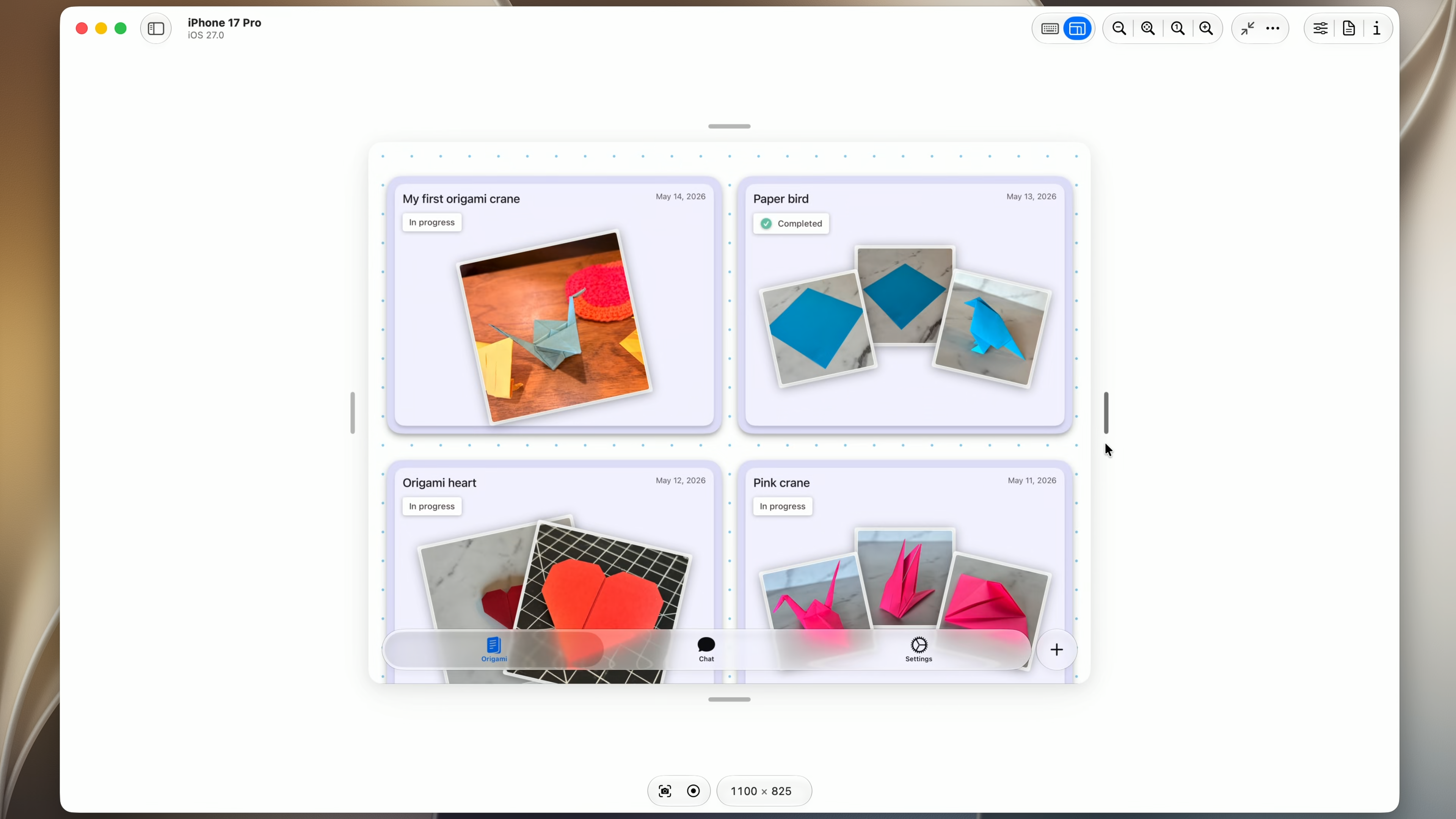
A designer says any screenshot of your app should make sense. The thread says that's impossible (tonsky.me)

His verdict on recent Apple software is blunt: sloppy transitional frames that read as an uncanny wrongness users feel before they can name it. One high-karma reader agreed Steve Jobs would have fired people over it.

The pushback was sharper. One engineer wants the imperfect frame now over the perfect frame later, calling latency the real priority — and another points out the author's own blog animates after you click.

🚀Tech ★ 565 · 💬 185 · Jun 14 · #culture#programming#web#Apple#iOS 26#macOS Tahoe+1

Apple rewrote a font bytecode interpreter from C to Swift — and it got 13% faster (swift.org)

Apple's Security team rewrote the TrueType hinting interpreter — input-driven control flow over untrusted font data — from C to Swift for the Fall 2025 releases. Result: a 13% average speedup, pixel-identical output across 27 million glyphs, and the memory-safety bug class eliminated, with only a few audited unsafe statements left at the C boundary.

Systems programmers cheered the safety-plus-speed result, but one Swift user warned the lifetime features shown off in the post crashed the compiler on trivial programs just months ago.

🚀Tech ★ 209 · 💬 97 · Jun 13 · #big tech#programming#Apple#Rust#Swift

macOS 27 deletes the menu icons macOS 26 added. Gruber calls it the best news from WWDC (daringfireball.net)

Apple's revised guidelines now say use menu icons "sparingly and with purpose," and "don't display an icon if you can't find one that clearly represents the menu item." Several users had stayed on older macOS specifically to dodge the change.

The dissent: one engineer says it's not the design team that produces this, it's a structural failure to listen to customers — and the cleaner fix was never icons-or-no-icons, but letting users choose.

The Fn-key rant that hit #1 in 13 minutes: when Alt+F4 puts your laptop to sleep (danq.me)

His three rules: double-duty keys should be low-impact and reversible, default to the traditional function, and persist the mode through a power loss. Most keyboards break all three.

One commenter keeps 'a bin full of pristine keyboards' he can't use because of Fn, arrow, Home and End placement.

Are you still using a Vision Pro? Owners split into daily power users and shelf-dwellers (news.ycombinator.com)

The one use case everyone names is a giant private movie screen, especially while traveling. Almost no one cites a killer 'spatial' app.

The dealbreakers repeat: weight and neck fatigue, plus text that several owners call 'half-Retina' and unusable for real work.

The sharpest divide is owner-versus-owner on the exact same setup — a daily joy for one, a 10-minute novelty for the next.

Apple didn't announce a foldable at WWDC. It told developers to stop designing for fixed screens (cupertinolens.com)

The tell isn't a product reveal — it's a platform directive to design for a range of screen sizes and aspect ratios, paired with leaked framework keys for fold angle and display count.

The thread's first reaction was that the title is a homograph pun and pure clickbait. Its second was a real argument: a phone plus an iPad mini already beats a foldable on cost and reliability.

And the most-discussed evidence — a window-resizing demo — looked to some like a blurry mess, not a polished preview.

Ben Thompson titled it 'The iPhone's Last Stand' — and then spent the piece arguing Apple is fine (stratechery.com)

The setup is a contrast in AI strategy — cloud-resident agents you reach through thin devices, versus a phone that hosts a ~20-billion-parameter on-device model with personal context.

Readers who know Thompson's track record flagged the title as clickbait and questioned his 'consumers don't want to work' premise as cynical.

The flip: a Siri that actually works would be an Apple advantage, not its last stand — and the iPhone gained share in a quarter with no AI marketing at all.

Apple won't ship Siri AI in the EU — and the EU says that was 'Apple's and Apple's only' decision (reuters.com)

The headline reads like a privacy standoff. The thread's correction: this is the Digital Markets Act, not GDPR — a competition rule about opening Apple's new agent interface to rival AI, not a data-protection fight.

A Google engineering manager pushed back on the easy 'they have the money, just comply' take: this class of compliance can mean re-architecting core systems with thousands of people over years.

And the requirement genuinely cuts both ways — handing any installed app agent-level control of your phone is a real attack surface.

🚀Tech ★ 359 · 💬 587 · Jun 10 · #AI#big tech#policy#Apple#DMA#European Commission+1

Apple walks back Liquid Glass in the first minute of WWDC, then promises Siri 'later this year' (apple.com)

Apple pitched WWDC 2026 as a Snow Leopard-style cleanup: a new opacity slider to tame Liquid Glass, a rebuilt Siri with a dedicated app, better system search, and 'a wide range of performance enhancements.' The first announcement was the design walk-back itself.

The thread read the retreat as a rare admission Apple got something wrong — one commenter noted the executive who launched Liquid Glass had since 'fled to Facebook' — while the new Siri's 'coming later this year' label means it won't even make the iOS 27 launch.

🌍Other ★ 242 · 💬 477 · Jun 9 · #big tech#Apple

Apple renamed its assistant 'Siri AI,' and the keynote room audibly groaned (apple.com)

The Passwords app can now update weak credentials on your behalf, and Siri can finally drive Shortcuts and reach across apps. But the on-device features demand 12GB of memory and an iPhone 17, and most of it ships 'this fall.'

The substantive optimism is about plumbing, not the chat box: cross-app primitives that might make Siri functional for the first time. The pessimism is two years of unshipped promises and a name people associate with bad software.

🚀Tech ★ 491 · 💬 426 · Jun 9 · #big tech#Apple

Apple's new Siri foundation models were co-developed with Google's Gemini (macrumors.com)

Apple rents the right to run Gemini models on its own data-center hardware, then owns the orchestration layer on top, the thread reconstructed. The most cited worry: why hand your assistant's brain to your biggest mobile rival, who could quietly feed you an inferior Gemini?

The other smell is the EU, where Siri AI won't launch at all, because the DMA would force Apple to give third-party assistants the same deep access. The optimists' read: Apple never sold the model, it sells the delivery.

🚀Tech ★ 451 · 💬 367 · Jun 9 · #AI#big tech#Apple