Intel-versus-ARM efficiency is still a system-level question
A Dell laptop comparison asks whether a modern Intel platform can close the performance-per-watt gap with ARM machines, but the useful answer depends on workload, software support, and what is being measured.
The comparison centers on power efficiency, not a single benchmark score. CPU, GPU, display, operating system, and application behavior all change the result a buyer experiences.
HN readers used the article to challenge simple architecture narratives and to ask which workloads still make the trade-off worthwhile.
Efficiency is more than a processor badge
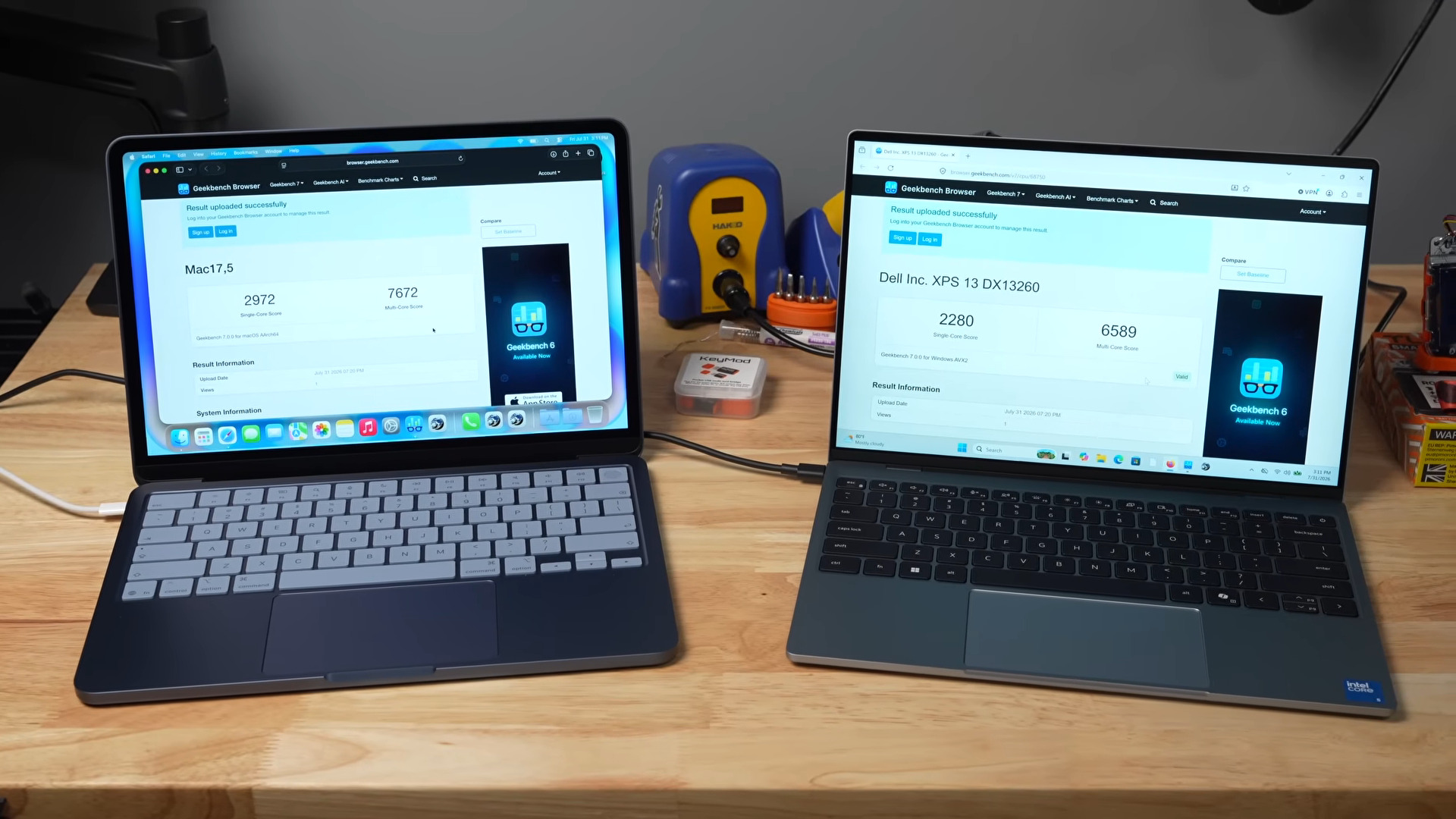
Hackaday’s comparison asks whether a contemporary Intel laptop can compete with ARM on performance per watt. It is an inviting question precisely because it resists a one-number answer: a portable computer’s battery life and responsiveness depend on the complete platform and the workload running on it.
That is the right frame for developers and buyers. Architecture labels are clues; the decisive evidence is the application mix, peripherals, compatibility needs, and measured power draw.
The thread rejects an easy winner
HN’s discussion brought up workloads and software ecosystems rather than treating efficiency as a permanent trait of one vendor. That keeps the comparison grounded in decisions people actually make.
The practical rule is to match a benchmark to the intended use. A machine that wins a synthetic test may still be the wrong choice if its tools, drivers, or sustained behavior do not fit the work.
Get breakdowns like this every day
The top Hacker News stories, unpacked — by email, Telegram, or RSS.
This is the last story in the August 9, 2026 issue.
Go to the issue archive