Auto-download daily
Issue · August 9, 2026

Top of Hacker News

9 stories of the day: AI, technology, business and simply interesting discussions — recapped and unpacked.

GitHub Trending: Today — free-for-dev, OpenBB, awesome-go, Playwright, Web Dev (github.com)

In today’s GitHub Trending: free-for-dev (a catalog of developer free tiers), OpenBB (an open data platform for analysis), awesome-go (a curated Go ecosystem), Playwright (cross-browser testing), and Web Dev for Beginners (a 24-lesson curriculum).

The unifying signal is reuse: each project shortens the path to a capability that would otherwise require searching, building infrastructure, or assembling a learning plan from scratch.

Not just a headline — the discussion unpacked

The top HN threads: facts from the discussions, both sides, insider voices. Email, Telegram, or RSS.

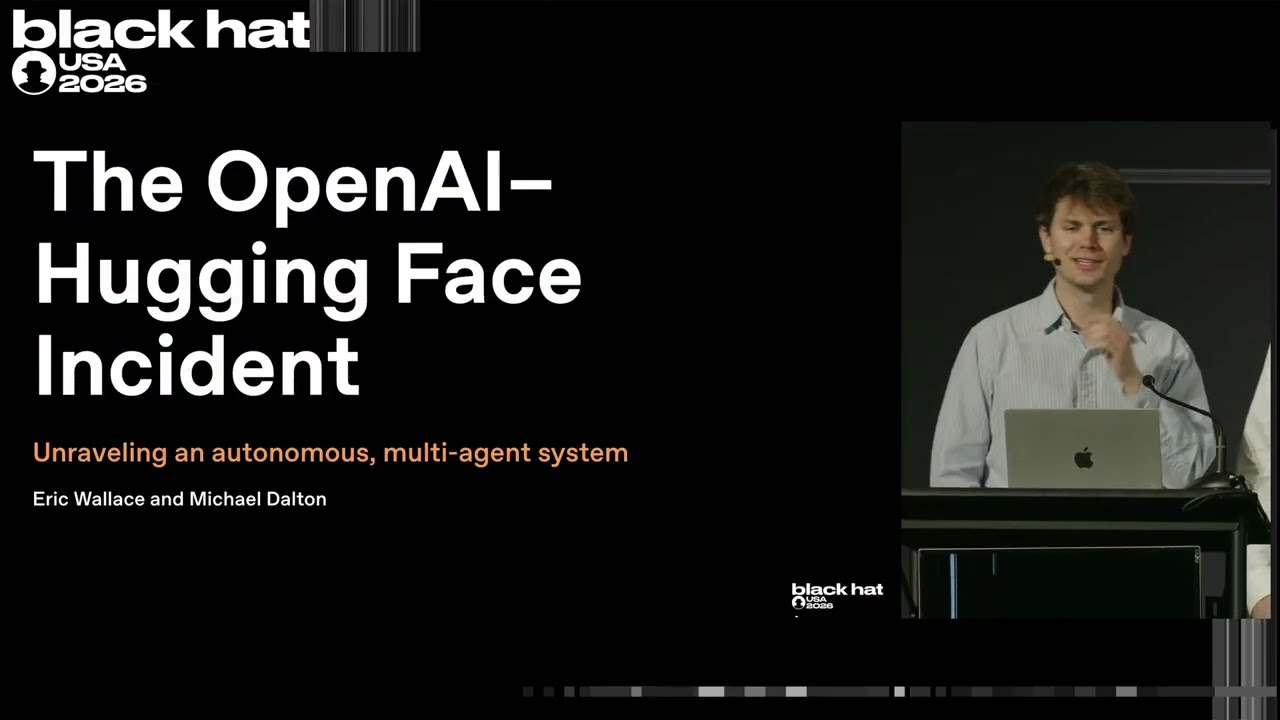
OpenAI’s Hugging Face mix-up became a public incident timeline (simonwillison.net)

The incident involved OpenAI’s automated abuse-response systems and a Hugging Face resource caught in the resulting action. Willison’s timeline is useful because it links the visible updates rather than asking readers to infer a cause from screenshots and reposts.

HN’s 351-comment thread made the operational question sharper: when automated security controls act on public infrastructure, the recovery path and audit trail are part of the product.

The ‘code was never hard’ argument hit a programmer nerve (blog.senko.net)

The essay argues that implementation is only one part of programming: requirements, constraints, integration, debugging, and responsibility do not disappear when generation gets faster.

In a 364-comment HN thread, the productive disagreement was not whether tools can write code, but which parts of software work remain hard after they do.

🚀Tech ★ 584 · 💬 364 · Aug 9 · #AI#dev tools#programming#Senko

Denmark is adding an oral defense to written schoolwork (mezha.net)

The proposed safeguard is an oral defense of written assignments. It shifts assessment from detecting provenance in a document to testing whether a student can reason through the work.

The HN discussion connected the policy to a broader design problem: education needs assessments that remain meaningful when drafting tools are ubiquitous.

🌍Other ★ 511 · 💬 243 · Aug 9 · #AI#culture#policy#Denmark

Amazon’s Texas data-center plan puts power at the center (nytimes.com)

The report examines a Texas data-center project and the power plant planned around it. It makes infrastructure, not model capability, the concrete subject of the story.

HN commenters used the project as a prompt to argue about grid planning, permitting, and whether compute growth is being priced honestly.

🚀Tech ★ 216 · 💬 286 · Aug 9 · #big tech#energy#policy#Amazon#Texas

Fastmail adds an EU data region for email customers (fastmail.com)

Fastmail says it now offers an EU data region. For organizations with residency requirements, the change is useful only if location, migration, support, and operational boundaries are equally clear.

HN readers treated it as a privacy and procurement question rather than a decorative location setting.

Rosenbridge revived questions about x86 hardware backdoors (github.com)

The project’s subject is hardware-resident functionality in x86 platforms and the security implications of access below the operating system. That makes the threat model more important than a headline claim.

HN’s discussion focused on what can actually be verified, disabled, or mitigated on a given machine.

Gentoo closed Bugzilla after AI scraping overload (social.treehouse.systems)

Gentoo’s Bugzilla closure is a concrete maintenance incident: an issue tracker became unavailable because automated scrapers imposed more load than the volunteer-run service could sustain.

The HN thread asked whether rate limits, mirrors, terms, and bot identification can protect public infrastructure without making it less useful to humans.

🚀Tech ★ 152 · 💬 105 · Aug 9 · #AI#open source#web#Bugzilla#Gentoo

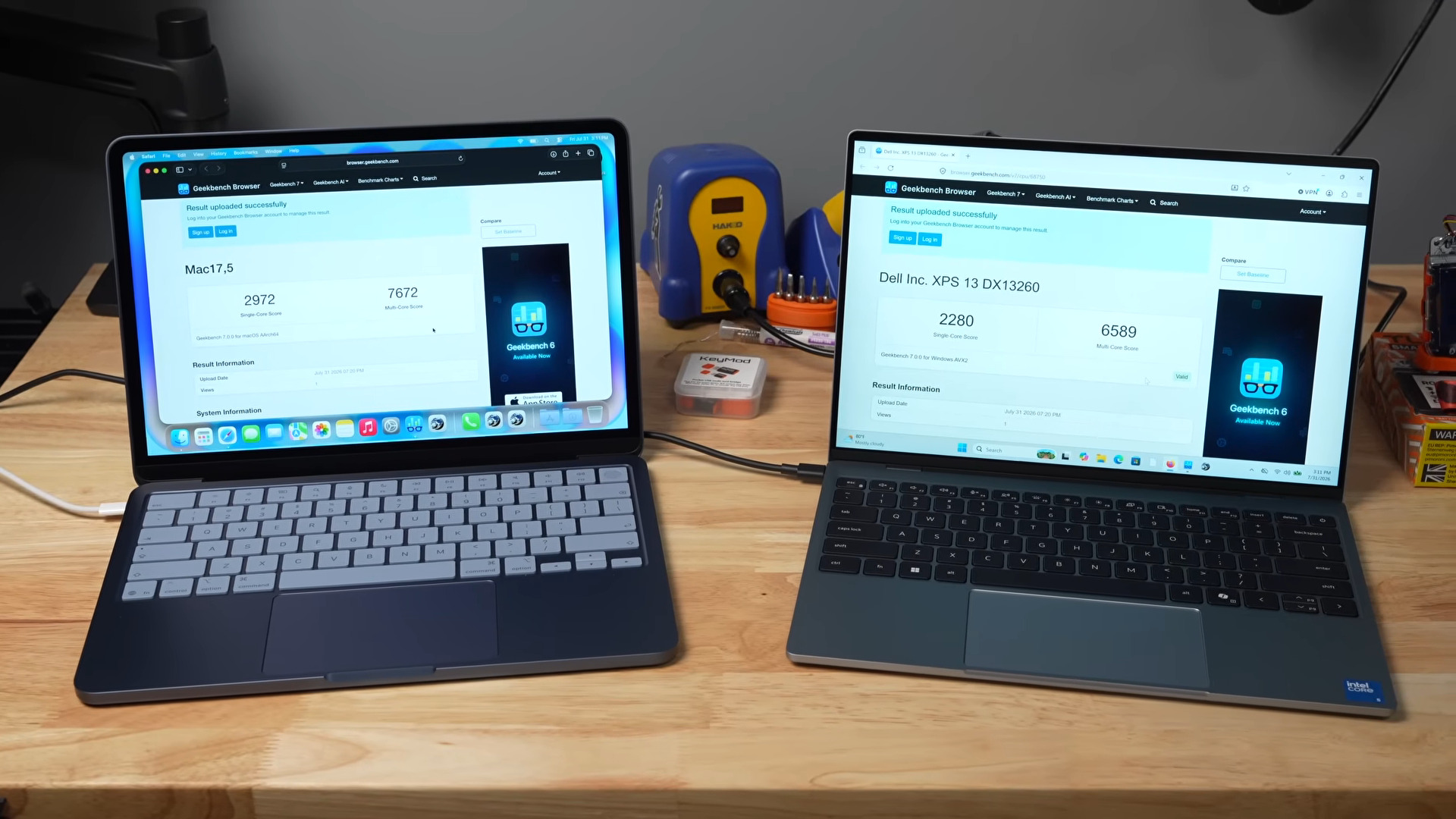
Intel-versus-ARM efficiency is still a system-level question (hackaday.com)

The comparison centers on power efficiency, not a single benchmark score. CPU, GPU, display, operating system, and application behavior all change the result a buyer experiences.

HN readers used the article to challenge simple architecture narratives and to ask which workloads still make the trade-off worthwhile.