Australia’s household batteries expose a grid design choice
A home-battery boom has helped lower wholesale power prices in Australia, but the HN thread asked whether thousands of household installations are the cheapest way to store surplus solar.
Australia’s solar surplus can push daytime power prices negative. Home batteries shift some of that energy into the evening, and governments are also encouraging households to consume power when it is abundant.
The thread’s real dispute is architectural: pay households to own storage, or build utility-scale batteries and use electric vehicles as a distributed reserve.
Solar abundance created a timing problem
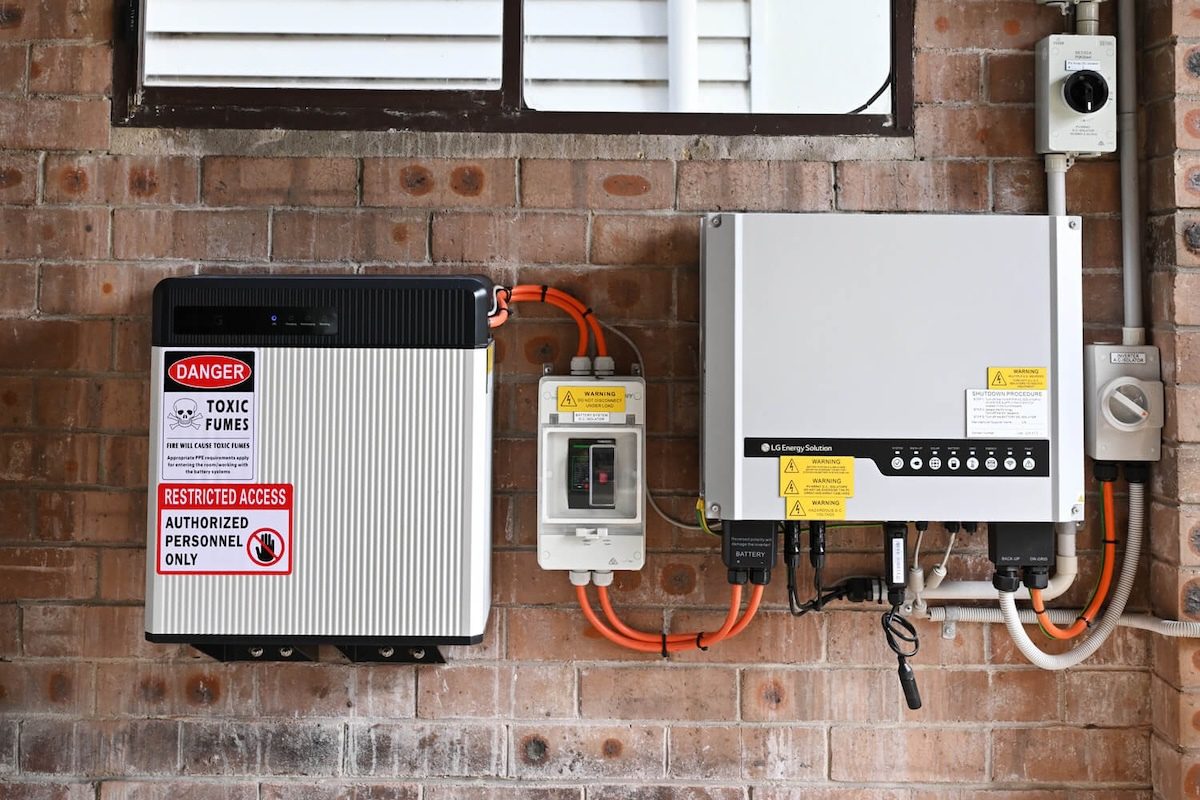
Yale Environment 360 reports that household batteries are helping Australia absorb more rooftop-solar generation and reduce wholesale prices. The simple mechanism is timing: charge when solar is plentiful, discharge when demand is higher.
A commenter noted that Queensland, New South Wales, and South Australia have offered free early-afternoon electricity to households, including people without rooftop panels, to encourage appliance use and EV charging when the system has excess supply.
Storage at home is not automatically the lowest-cost storage
"Millions of EVs form an energy reservoir." — an HN commenter proposing vehicle charging
Others argued that bespoke household installations can be a costly way to solve a grid-scale problem. One commenter cited a program with $2.5 billion in subsidies and 11 GWh installed, then compared it with utility-scale battery costs. The figures are a prompt for a harder calculation, not proof that one design wins everywhere.
The policy question is who captures the benefit
A skeptical voice warned that subsidizing adopters can shift costs onto people unable to buy the technology. That makes the Australian case more than a battery story: tariffs, public infrastructure, and incentives determine whether cheap solar becomes a broadly shared benefit.
Get breakdowns like this every day
The top Hacker News stories, unpacked — by email, Telegram, or RSS.
uBlock Origin gives Firefox an accidental competitive edge
As Chromium browsers retire older extension capabilities, Firefox has become the major browser where uBlock Origin still works without that particular migration pressure.