A 226M-Parameter Inpainter Claims to Rival a 11.9B Model at 15x Speed
Moebius uses under 2% of FLUX.1-Fill-Dev's parameters and runs at 26ms per step on one GPU. A developer who tested it found the inpainted regions visibly smoother than their surroundings.
Moebius linearizes U-Net attention and distills from a PixelHacker teacher to claim 10B-class quality at 0.22B params. The flip: hands-on testers hit a 512x512 output cap the page never advertises, and failures on novel objects.
Moebius, from HUST Vision Lab, is a task-specific latent-diffusion inpainter built on a thesis: when a task is explicitly defined, you can shrink the model instead of scaling a general one. At 226M parameters it claims to rival or surpass FLUX.1-Fill-Dev (11.9B) using under 2% of the params and over 15x faster total inference, hitting 26.01 ms/step on a single GPU.
The two tricks behind a 0.22B model that punches at 10B
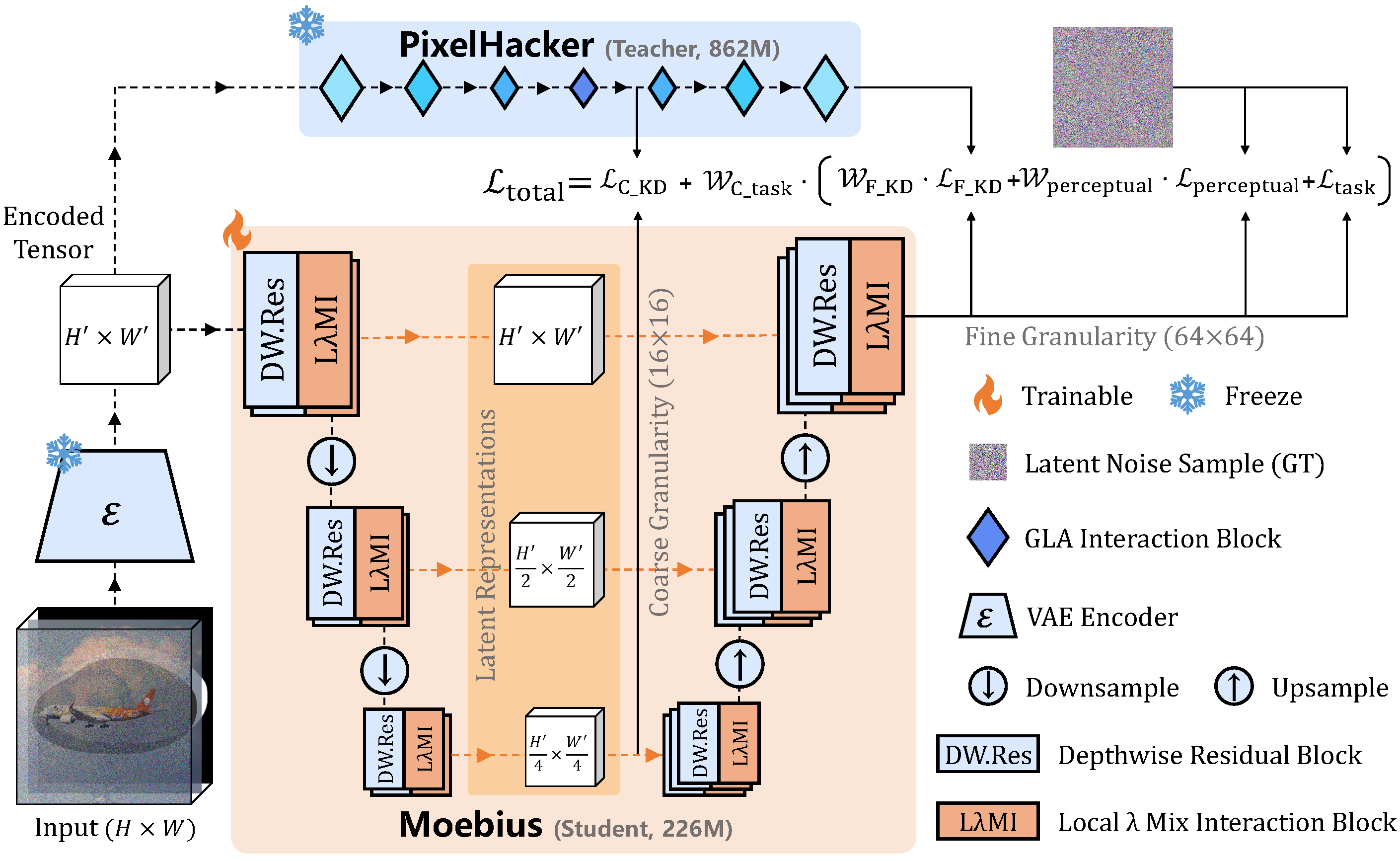
The architecture restructures the U-Net with Local-λ Mix Interaction blocks that linearize attention to dodge quadratic cost, then trains via Adaptive Multi-Granularity Distillation from a PixelHacker teacher in latent space. It's evaluated across six benchmarks spanning Places2, CelebA-HQ, and FFHQ.
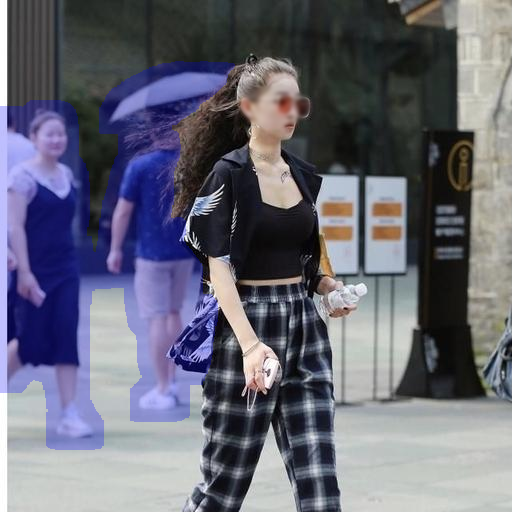
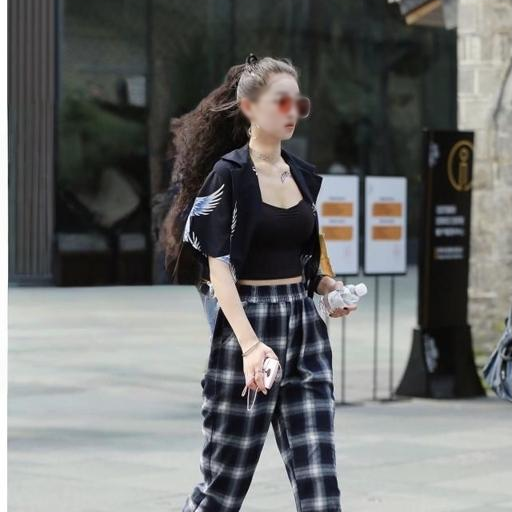
The sharpest empirical rebuttal came from a developer who put the claim through its paces.
"while it is very impressive for 0.2B model it would be very hard to convince me that this matches with 10B models… inpainted regions were visibly smoother than surroundings, and performed very badly on novel objects. It is also limited to 512x512 output, which limits its practical usefulness." — Kang Seonghoon (lifthrasiir), developer
Others close-read the project's own showcase and found the grading uneven.
"under Comparison of Natural Scenes, Moebius should definitely get a 'structural confusion' tag for the back of the surfboard. If other models get deducted for truncating the surfboard, then surely the elongation that Moebius does should count too." — a commenter reading the comparison figure
The paper's framing also raised eyebrows, with one reader quoting its tagline back at it:
"'Synergy × (Architecture + Distillation) = Shattering the 'Impossible Triangle'… Is it just me or is it weird seeing these clickbaity AI-generated taglines in an otherwise scientific work?" — a commenter quoting the paper's tagline
The most generative response skipped the debate entirely. Simon Willison ported the model so anyone can judge it directly.
"I got this working with ONNX … now I have an interactive demo of the model running entirely in the browser here (~1.3GB download)… Wrote this up…" — Simon Willison, creator of Datasette
His browser port and writeup turn the research page (paper, code) into something you click rather than trust. Whether or not it matches 10B models, the more durable claim is that a tightly scoped task lets a model run where a giant one never could — and now you can test that yourself in a tab.
Get breakdowns like this every day
The top Hacker News stories, unpacked — by email, Telegram, or RSS.
A Rust dev bets agents will retire Git, ships Oak, offers an e-ink display
Oak replaces Git's commit model with content-addressing and a branch-per-session unit, so a cloud agent can edit any repo in seconds with no full clone. The launch's headline incentive is a personalized e-ink display for the first 100 paying users.