$54 to fix TypeScript types across 50 files — and the case that today's LLM prices can't hold
One developer's blog totes up the pressure points crushing frontier pricing: open weights at a tenth the cost, custom chips 30–70% cheaper than an H100, and zero switching cost via a single OpenRouter line. An enterprise engineer in the thread confirms the quiet endgame.
The article argues subscriptions are heavily subsidized and per-token API pricing is the real, brutal number — $54 for one afternoon of TypeScript cleanup. With GLM-class open models beating flagships on coding benchmarks at a fraction of the price, the author sees routine work commoditizing.
The most concrete reply isn't a forecast — it's a deployment: banks and insurers already run anything that matters on models inside their own datacenters, with Claude and Codex kept on a tight leash.
The number that started the argument
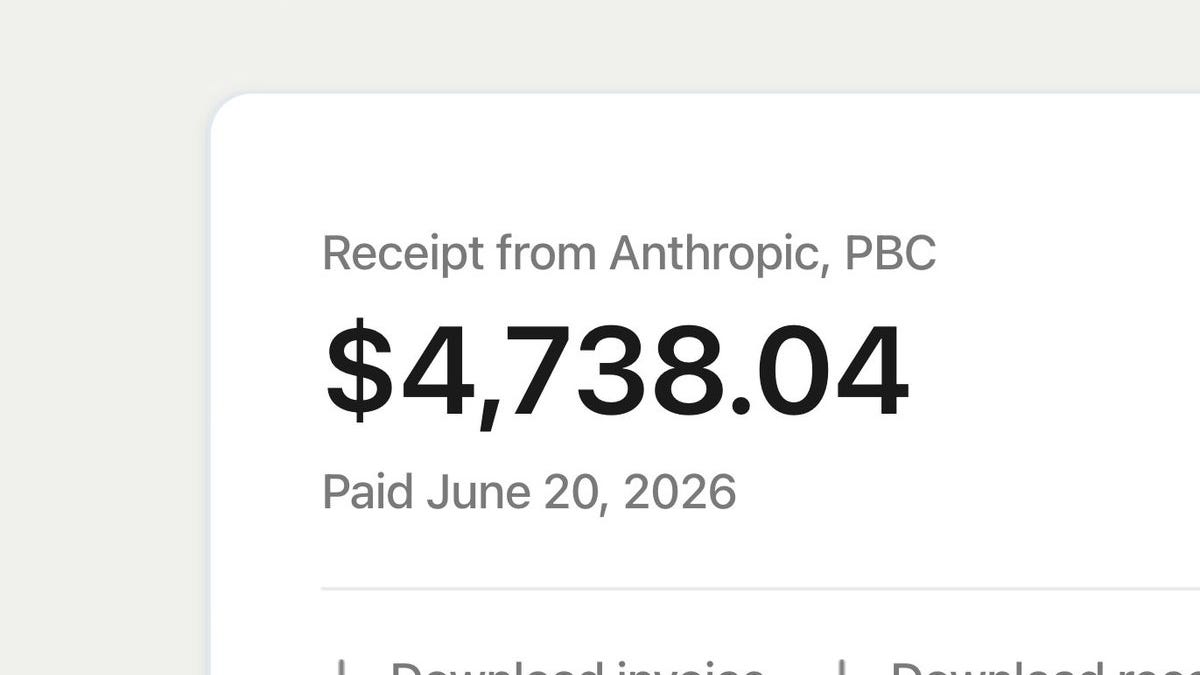
The blog post anchors its case in a receipt: $54 to fix TypeScript types across 50 files using a frontier model in one afternoon. From there it stacks the forces pulling prices down: performance gains are flattening (“Opus 4.8 costs the same as Opus 4.7”), open-weight models like GLM-5.2 reportedly beat flagships on coding benchmarks at “1/10th” the cost, custom silicon runs “30–70% cheaper than an Nvidia H100,” and switching providers is one OpenRouter line away. The author's forecast: cloud models retreat to genuinely hard tasks while local models swallow tab-completion, proofreading and fact-checking within four to five years.
The subsidy nobody disputes — and the cartel theory that complicates it
A developer from Latvia put hard numbers on the subsidy: “Instead of around 4k EUR in token costs, my Opus usage costs me 108 EUR (with taxes) per month with their Max 5x plan. … those are heavily subsidized.”
But one reader flipped the causality, and the flip matters:
“Why do you think that subscriptions are subsidized and not that enterprise tokens are sold at 3000% margin? There are few enough frontier labs that cartel is possible.”
If the API price is the markup rather than the subscription being the loss-leader, the “unsustainable” framing inverts — prices fall not because labs are bleeding, but because competition finally cracks the margin.
The endgame is already in production
The strongest evidence wasn't a prediction — it was a report from inside regulated industry:
“I work with large enterprises that only run critical workloads on locally hosted models. Think banks, insurance — businesses that absolutely cannot leak any data. They also have CC and Codex, but their use is extremely restricted; anything of consequence runs on models running on GPU clusters in their own datacenter.”
That reframes “local models in 4–5 years” as a thing that already happened for anyone with data they can't risk. The recurring metaphor in the thread — “LLM hosting is the new web hosting” — points at the shape of the market to come: frontier labs competing on the hardest problems, while a Hetzner-tier layer of providers commoditizes everything else.
Get breakdowns like this every day
The top Hacker News stories, unpacked — by email, Telegram, or RSS.
California's bill would put a snitch in every 3D printer — and lock the slicer to the manufacturer
The proposed law mandates detection software that blocks “unauthorized” print jobs, requires printers to accept work only from validated slicers, and leans on manufacturers to self-police. EFF's verdict: there's no world where the mandated tech actually works.