Germany's sick days are climbing, but the number may be an accounting artifact
German workers now average about 20 sick days a year, and Chancellor Friedrich Merz wants to end phone-in sick notes, requiring an in-person doctor visit from the first day of illness.
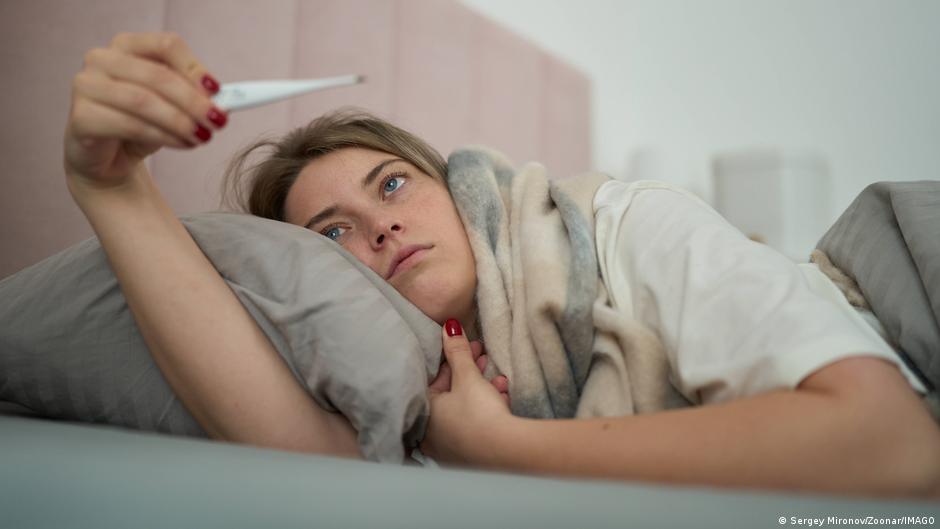
From January, a fever alone won't earn a remote sick note in Germany; workers must see a doctor in person on the first day off.
The headline reads as a lazy-workforce story. The thread's sharpest correction: much of the 'rise' is just better counting, after a 2022 switch to electronic sick notes that finally logged short illnesses.
A Swedish reader recalls his country's own day-one fix, and what it actually changed.
Twenty sick days, and a rule change from Berlin
DW's article was unreachable from here, so this leans on the thread and the headline. The figure readers kept circling: German workers now average roughly 20 sick days a year. Chancellor Friedrich Merz wants to tighten the rules. A reader pasted the operative line from the piece.
"from January next year, workers will no longer be able to get a sick note over the phone. They must visit a doctor in person and on the first day of illness." — the proposal, quoted in the thread
The headline invites a lazy-workforce reading. Several regulars argued the premise is measured wrong.
The 'rise' may be a bookkeeping change
The most-repeated correction is that Germany did not suddenly get sicker; it started counting properly.
"Since 2022 in Germany there is a new electronic sick note and doctors report every certificate directly to insurers. Before that short illnesses very often went uncounted." — GraphHopper co-founder karussell
Another reader added that the IGES institute's January report named better reporting as a main driver, and that Merz's plan largely restores the pre-Covid rules, which many employers had already loosened by contract. The numbers rose on paper while behavior barely moved.
Sweden already ran this experiment
The one voice with direct history is Swedish. In the late 1980s Sweden introduced a 'karensdag': the first sick day goes unpaid.
"there was so much sick leave claimed that people were seriously wondering why Swedish workplaces were so unhealthy. A year after the reform, the numbers fell precipitously." — a Swede who started work just before the reform
That is the case for Merz's instinct: friction cuts casual absence. The case against sits one reply over. A reader who lived under Belgium's day-one note rule described a local doctor spending the first five hours of each day writing notes for people well enough to queue, and others warned that forcing feverish, contagious patients into waiting rooms trades one cost for another. If the increase is mostly reporting, the in-person rule fights a statistic and fills clinics doing it.
Get breakdowns like this every day
The top Hacker News stories, unpacked — by email, Telegram, or RSS.
California outlaws 'sell by,' betting clearer labels will shrink food waste
California is barring the phrase 'sell by' from consumer food packaging, pushing every product toward two standard lines: 'BEST if Used By' for quality and 'USE By' for safety.