Seattle's office towers sit a third empty, and rents won't budge
Downtown Seattle's office vacancy has hit roughly 37%, well above the 23% national rate, yet the dark glass towers aren't getting cheaper to rent.
Amazon's retreat to Bellevue and the Eastside hollowed out downtown blocks it once filled, and the Seattle Times frames it as a city in decline.
In the thread, a real-estate investor and a former Indeed insider split on the cause: hostile city government, or the mortgage covenants that keep rents frozen and floors dark.
Converting the towers to housing sounds obvious. Zoning and the loan math both say otherwise.
Downtown Seattle, a third of it dark
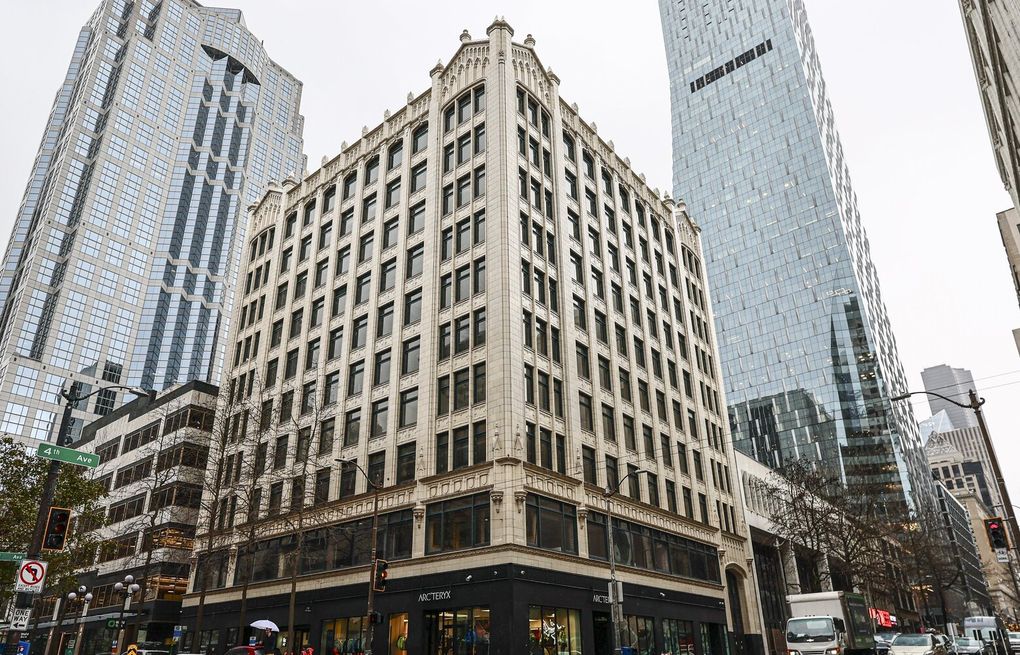
I couldn't open the Seattle Times piece directly, so the figures below come from readers quoting it in the thread. The anchor number: US office vacancy sits near 23%, while downtown Seattle runs about 37%. John Nagle read both straight off the article.
"The article notes that the US overall office vacancy rate is 23%. Seattle is 37%. Have we reached 'peak office' at last?" — software veteran John Nagle
Everyone names the same trigger: Amazon. One reader remembered dozens of downtown buildings under Amazon's name in 2019, some wholly owned, some WeWork leases, a huge footprint in a small core. Then hiring drifted east to Bellevue and the Eastside, where the campuses and the engineers already were.
The floors are empty because the debt says so
The sharpest reversal reframes vacancy as a financing problem, not a pricing one. Rents don't fall to meet demand because the loans won't let them.
"the commercial mortgage covenants prevent landlords from dropping rental rates, so they'll just sit there fallow until the market recovers." — robotics founder Travis Deyle
Ben Schiendelman, a Seattle founder who has worked at Indeed, Apple, Amazon and Microsoft and calls himself a real-estate nerd, pushed further: the crisis is structural, and the coverage is slanted.
"This is almost entirely an artifact of the financial instruments used to pay for these buildings, regardless of any Seattle policy changes." — Seattle founder Ben Schiendelman
He points to Bellevue, where vacancies stay low because long-term tenants keep paying whether or not the desks are full. Not everyone buys the it's-just-finance read. Investor vessenes, founder of New Alchemy and a former Bitcoin Foundation chairman, blames the city itself.
"The die was largely cast when Amazon called Seattle's bluff during COVID and relocated, but so much needs to be done to make the city itself an attractive place to live and work…" — private-equity investor vessenes
Just turn them into apartments, if only
The obvious fix draws the obvious chorus: convert the towers to housing and solve two problems at once. The catch is that office floor plates, plumbing and zoning fight the conversion, and someone has to eat the loss.
"Zoning and other regulations getting the way of it being used. The city 'just' needs to incentivize it getting used, and someone's gotta come to terms with losing money." — a reader on the conversion math
That last clause is the whole story. A tower stays a zombie not because no one wants the space but because its owners can hold a fully-priced lease on paper longer than they can admit the building is worth less. The vacancy ends when the debt is refinanced or written down, not when the mayor changes.
Get breakdowns like this every day
The top Hacker News stories, unpacked — by email, Telegram, or RSS.
Verizon's app shutdown is about to brick two-year-old kids' watches
Jeff Kaufman's two kids wear Gizmo watches so he can reach them at the park. On July 6 the app that makes those watches work disappears, and its replacement can't handle his account.