A map of $3,000 government houses, and the $120,000 in back taxes attached
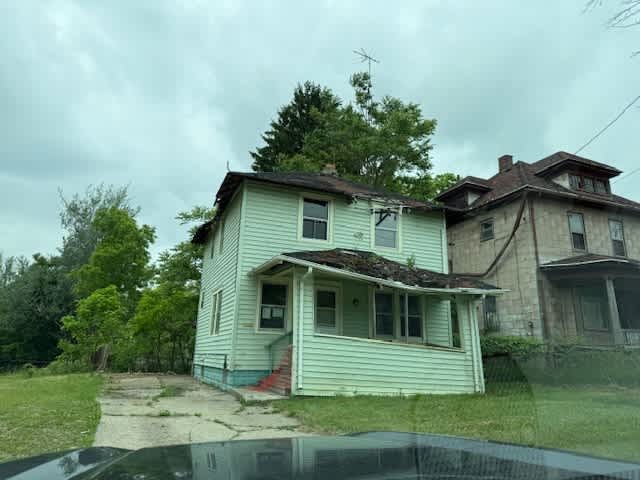
A developer scraped his own site and mapped 335 government-owned homes selling for under $100,000 across 38 states, including a $3,000 house in Flint, Michigan, three bedrooms, built in 1924.
Under the bargain dots sit as-is sales where unpaid taxes, water bills and code liens follow the property. On that $3,000 Flint house, a commenter tallied $120,000 owed and a structure due for demolition.
Then the thread split: opportunity, or poverty tourism? One reader called it a digital rag-and-bone hunt and said buyers should 'demand better'; another mocked the pile of excuses people keep listing.
A weekend scrape of the government's cheapest houses
Over a weekend, the site's author pulled listings from his own database and mapped the cheapest homes the US government is selling. The aggregator pools three federal sources (HUD, Fannie Mae's HomePath and Freddie Mac's HomeSteps) for 2,074 government-owned homes, of which 335 sit under $100,000 across 38 states. The floor is startling: a $3,000 house in Flint, Michigan, three bedrooms, built in 1924; a $7,000 Flint house; $9,900 in Pelham, Alabama; $10,500 in Marietta, Ohio. The sub-$100k listings pile up in Illinois (33), Texas (26), Pennsylvania (25), Missouri (22) and Ohio (19).
The page is candid about the catch: homes sell as-is, unpaid taxes, water bills and code-enforcement liens can follow the property, buyers often can't get inside a vacant unit first, and the cheapest are effectively cash deals no bank will finance.
The $3,000 house that costs $120,000
The thread's first move was to price in what the map leaves out.
"With $120,000 owed in back taxes due by you upon purchase. Also the structure is derelict and will have to be destroyed before anything can be done with it." — a commenter who priced out the $3,000 listing
Why the true cost is so hard to see got a first-hand answer from someone who had tried:
"even as finance savvy person already in the building, it was impossible to figure out what I'd be getting/owing. Really ruined my taste for these things." — a buyer who bid on a foreclosure in his own building
Others read the map as marketing, pointing at the site's own tagline:
"'know what they're worth before you bid'. So the blog post contradicts the entire premise of the site. This is just an ad for their valuation service." — a reader who quoted the site's own tagline back at it
Opportunity or poverty tourism
Then the thread turned on itself. One reader framed the whole exercise as bleak:
"this is the digital equivalent of being a rag & bone man scraping by to find a place to live somewhere, anywhere, across the country. Demand better of yourself" — one commenter
The pushback was sharp:
"Let us count the excuses in the thread: back taxes, asbestos, shit hole places, something wrong with it, needs work, jobs, demand better of yourself. Love the last one." — a commenter who tallied the thread's objections
A longer digression argued that American residential property is structurally a money pit: zoning, HOAs, licensing and insurance all block a house from earning its keep, so an owner ends up "pouring money into its taxes, upkeep, and maintenance" for good, which is why so many quietly run a business out of the garage anyway (the full tangent is worth a read).
Strip out the argument and the map makes a quieter point on its own. The cheap dots are not scattered: they trace the deindustrialized interior, Flint and Marietta and the counties of Illinois, Missouri and Ohio, where a house is cheap because the reasons to live there left first. The lowest number in each listing, under $100,000, is also the only certain one. Everything the buyer would actually owe sits off the map.
Get breakdowns like this every day
The top Hacker News stories, unpacked — by email, Telegram, or RSS.
The gym-shorts drawstring trick HN keeps resharing turns out to be the Lapp knot
First Class Amateur's 40-second clip has the appeal of a rip-cord: cinch your shorts, then pull one loop and the whole thing springs loose to resize. The video keeps resurfacing on Hacker News, and one reader admits he went hunting for it again just last week.