OpenAI’s Hugging Face mix-up became a public incident timeline
Simon Willison’s reconstruction turns a short-lived OpenAI incident into a sequence of public artifacts: an automated security response, a mistakenly targeted Hugging Face space, and the repair work that followed.
The incident involved OpenAI’s automated abuse-response systems and a Hugging Face resource caught in the resulting action. Willison’s timeline is useful because it links the visible updates rather than asking readers to infer a cause from screenshots and reposts.
HN’s 351-comment thread made the operational question sharper: when automated security controls act on public infrastructure, the recovery path and audit trail are part of the product.
A public record for an automated mistake
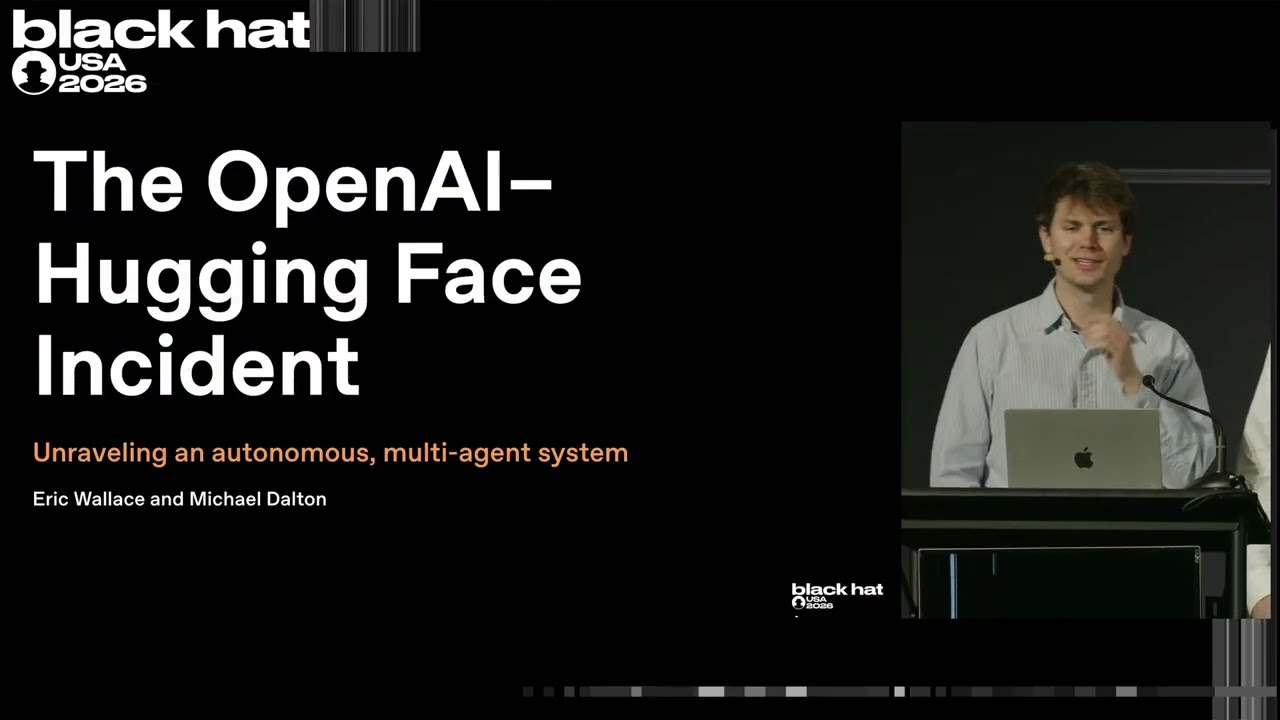
Simon Willison’s timeline reconstructs an accidental OpenAI action involving Hugging Face from public posts and updates. It does not treat a single announcement as the whole event; the value is the ordered record of what became visible, when it changed, and how the affected service was restored.
For teams that deploy automated abuse or security controls, that distinction matters. A control can be justified in principle and still need a clear path for recognizing a false positive, explaining it, and undoing the effect.
The thread asks for a recovery interface
In the HN discussion, readers focused less on whether automation belongs in security work than on how people can challenge an action once it has crossed a boundary. That is the practical lesson in a public incident: detection, escalation, rollback, and communication must work together.
The timeline makes the missing ingredient legible. Systems that can act quickly also need an equally concrete human-facing recovery mechanism, especially when the target is another platform’s public resource.
Get breakdowns like this every day
The top Hacker News stories, unpacked — by email, Telegram, or RSS.
The ‘code was never hard’ argument hit a programmer nerve
Senko’s essay pushes back on a familiar AI-era slogan by separating the act of typing code from the surrounding work of understanding, choosing, and maintaining a system.