Unicode's ghost characters reveal how a standard preserves mistakes
A tour of Unicode ghost characters shows how a glyph can acquire a durable identity through copying, scanning, and cataloging even when the original evidence was weak or erroneous.
The essay follows characters that entered reference works through transcription errors and historical ambiguity. Once encoded, they become part of the compatibility burden that keeps old text readable.
HN readers described the conservative trade-off: extra invalid characters are often safer than deleting a character that later proves to be real.
A standard remembers its sources
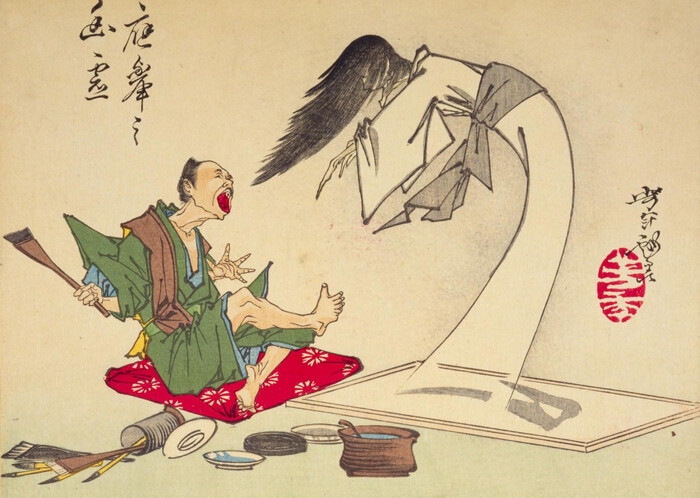
A spectre is haunting Unicode collects characters that persist through dictionaries, transcription, and encoding despite uncertain origins. A text standard inherits the history of the sources it must represent.
Preservation beats cleanup
On HN, readers connected the examples to the Kangxi dictionary and CJK character history. One cited evidence that 彁 may trace to a poor newspaper scan.
Compatibility is archival policy
Unicode cannot delete every doubtful entry without risking historical documents, software, and names. Its odd margins are the cost of keeping text portable across imperfect evidence.
Get breakdowns like this every day
The top Hacker News stories, unpacked — by email, Telegram, or RSS.
This is the last story in the August 16, 2026 issue.
Go to the issue archive