A Grand Canyon guide rowed solo to Hawaii, faster than any man
Kelsey Pfendler spent 43 days, 17 hours and 55 minutes rowing alone from Monterey, California to Honolulu — more than 2,400 miles across the open Pacific in a boat named Lily, with no motor and no support vessel behind her. She tied up at Honolulu Harbor on July 3, the first American woman ever to row that crossing solo.
Pfendler, 32, guides river rafts through the Grand Canyon for a living. Her boat carried two sealed cabins, bow and stern, for sleeping and food, and nothing else: 21 feet long, 730 pounds, no engine, no way to call the trip short once she left in May.
A Hacker News reader caught what the article's headline missed: by the numbers, Pfendler didn't just break the women's record for this crossing. She rowed it faster than any man ever has, too.
Why the Guardian called it a women's record, not the record
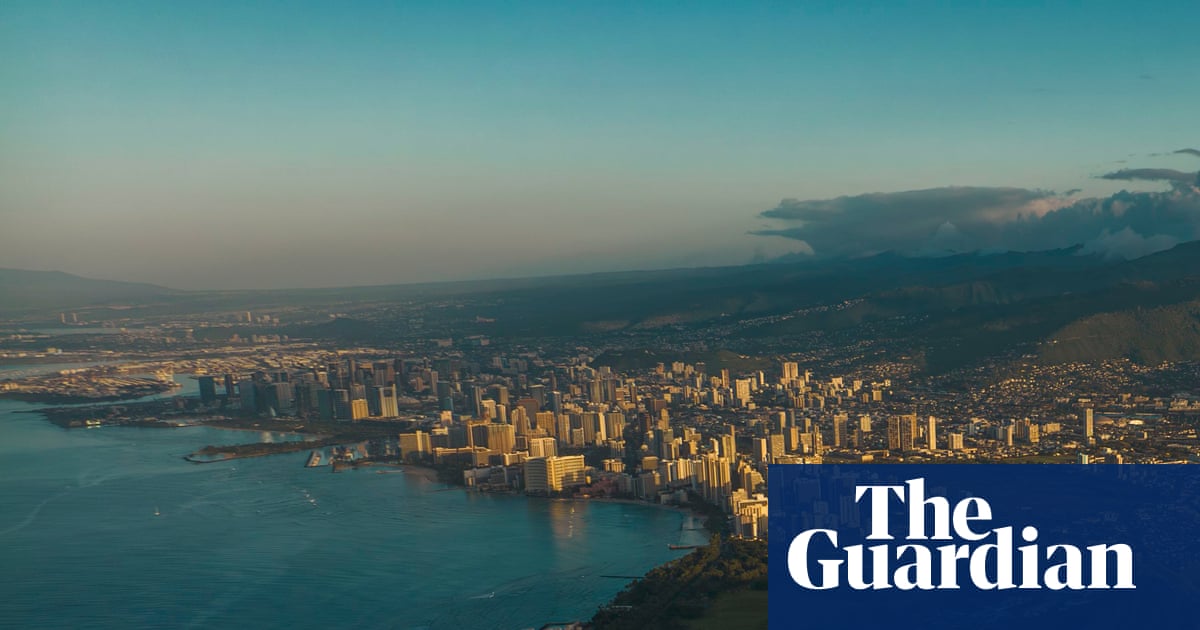
The Guardian's report also credits Pfendler with two more records: the youngest woman, and, by rowing-society tallies, the fastest woman, to row the mid-Pacific solo. Hundreds gathered at Honolulu Harbor to watch a rowboat appear on the horizon.
The Guardian's own writeup runs a few paragraphs. One HN comment opened by noting it barely explains any of the interesting parts of the feat. The rest of the thread spent itself filling in what the article left out.
The record that didn't make the headline
The first substantive reply zeroed in on what the framing missed entirely.
"It's kind of buried here, but Kelsey is the fastest human to do this. She beat the male record holder's time by 6 days." — a reader who dug the detail out of the article
Rowing-society records put the previous women's solo record at 86 days and the men's at 52. Pfendler beat both.
What six weeks alone at sea actually breaks
The thread's most detailed replies covered what neither headline mentioned: food, sleep, equipment failure. A YC W07 alum went looking through Pfendler's own video dispatches for the answer.
"…not being able to run her desalination machine because not enough sun and having to dip into her emergency water rations." — a YC W07 alum who tracked down Pfendler's Instagram videos to fill in what the article left out
Readers who've fought those waves believed every word of it
Two commenters who'd rowed or paddled open water themselves vouched for how hard this is, even at a fraction of the distance.
"I've done the crossing from Moloka'i to Oahu in a canoe several times, and those open ocean waves can get very nasty… My longest crossing took 9 hours, and I was completely drained by the time I touched shore. 44 days is absolutely insane." — a canoeist who has paddled the Moloka'i-to-Oahu channel himself
"Even the tiniest of waves could make it annoying… if you overcompensated by trying to insert your oar farther in you'd catch a crab (having the oar ripped out of your control). This is on a lake with tiny waves." — a commenter who used to row
She isn't even the most extreme case in the genre
Two more comments put Pfendler's feat in a longer context. One linked Latvian rower Kārlis Bardelis, who has rowed the Pacific, the Indian and the South Atlantic oceans solo and cycled the distances between them. Another pointed to The Pacific Alone, a book about an earlier solo kayak crossing of the same ocean, in the thread.
None of that takes anything from what Pfendler did alone in a 21-foot boat. Closing in on Honolulu, she left her own answer to why she'd done it:
"Think about trying to find your own big, hard, scary thing. You might not think that you are strong enough to finish it right now, but you're definitely strong enough to start it, and you'll find everything else along the way. I'm going to go finish my big, hard scary thing." — Pfendler, in a dispatch from the water
Get breakdowns like this every day
The top Hacker News stories, unpacked — by email, Telegram, or RSS.
A lender was fined $60m for a hotline built to stall your refund
Toyota Motor Credit's support line was built to make you ask for your money back three separate times before anyone agreed to give it. It's one entry in a wider Guardian investigation into a question that sounds simple and isn't: why an ordinary bad purchase now feels worth raging over.