A 27B model runs local coding well — on a $6,699 laptop that burns your fingers
Quesma's benchmark crowns Qwen 3.6 27B the sweet spot for local development, clocking 32 tokens/sec on a 128GB MacBook Pro. The thread's first question: who has a 128GB MacBook?
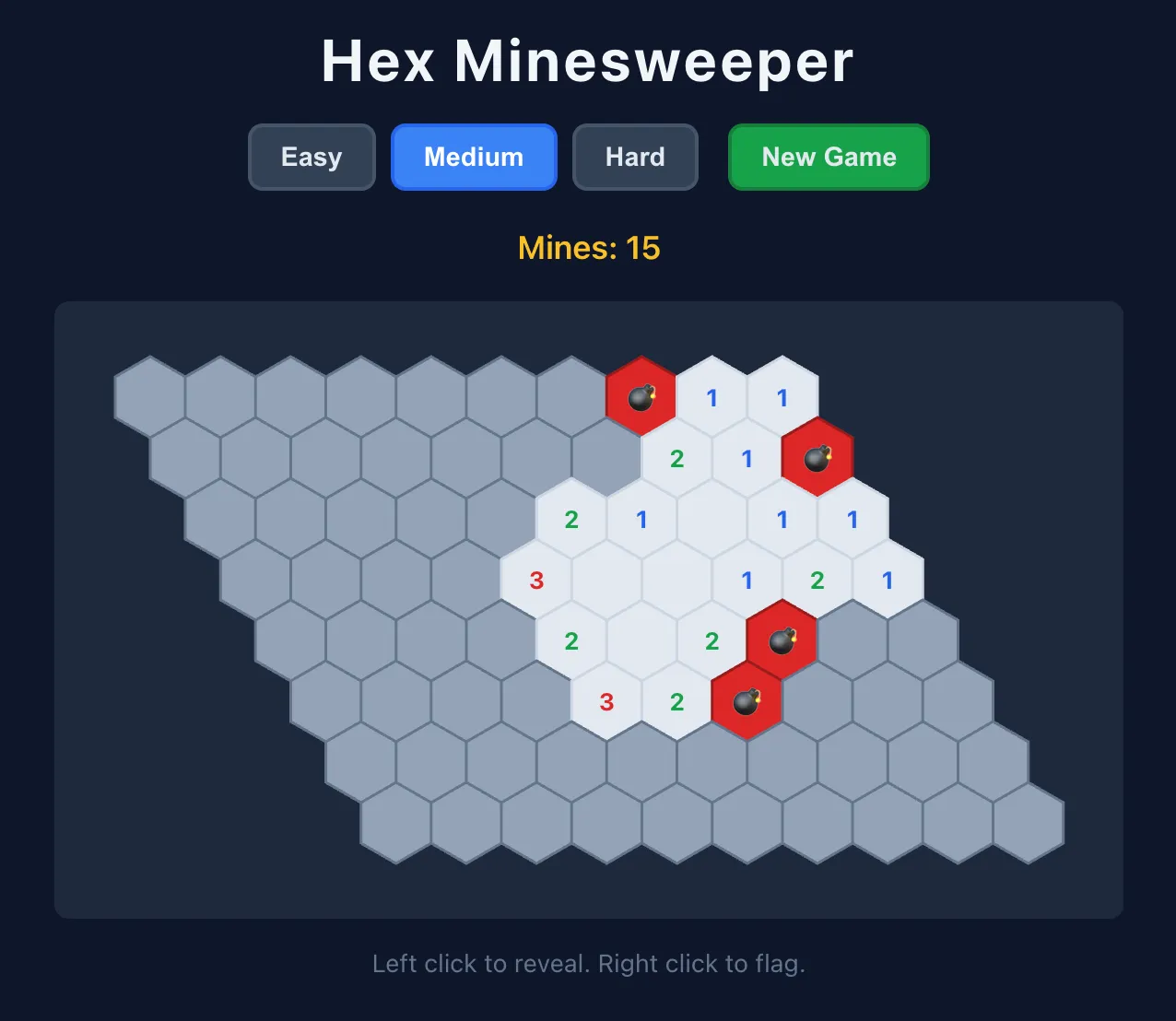
The post pits the dense 27B against the faster 35B mixture-of-experts variant and argues for quality over throughput — 'I'd rather generate a third as much code, but of higher quality.' It ran the model through a hex-minesweeper build and a candle-shop landing page.
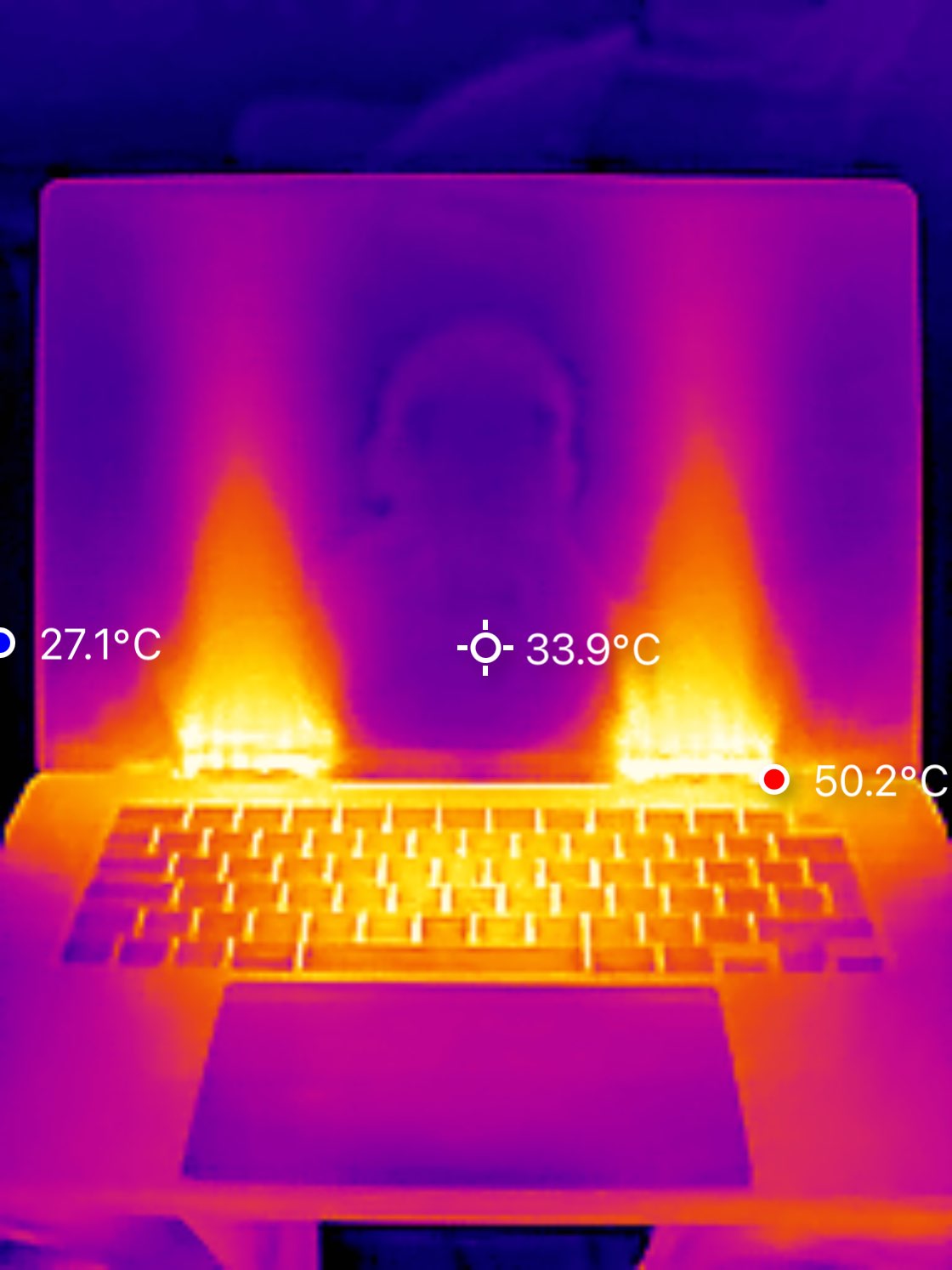
A founder who owns the exact machine pushed back hard: run a heavy job on the laptop itself and your fingers burn and the fans scream. His fix — stick a Mac Mini in the basement and reach it over Tailscale, at a third of the price.
What the benchmark actually claims
The Quesma post makes a narrow, concrete argument: among models you can run at home, the dense Qwen 3.6 27B is the first one that feels like a usable general assistant rather than a toy. The test rig is a MacBook Pro M5 with 128 GB of unified memory, and the author runs the model through llama.cpp with multi-token prediction and a 64k context window. The trade it foregrounds is quality versus speed: the faster 35B A3B mixture-of-experts variant hits 105 tok/s but, in the author's view, produces worse code, while the dense 27B lands around 32 tok/s with MTP. The stated preference: "I'd rather generate a third as much code, but of higher quality."
The demos lean greenfield — a quantum-mechanics chat, a hexagonal-minesweeper Node package built from one prompt, a landing page for a candle shop.
| Model | Method | Speed | RAM |
|---|---|---|---|
| Qwen 3.6 27B | llama.cpp + MTP | 32 tok/s | 42 GB |
| Qwen 3.6 27B | llama.cpp | 18 tok/s | 41 GB |
| Qwen 3.6 35B A3B | llama.cpp + MTP | 105 tok/s | 45 GB |
| DeepSeek-V4-Flash | llama.cpp | 33 tok/s | 103 GB |
The thread argues the benchmark picked the wrong machine — and the wrong tasks
The most-upvoted objection wasn't about the model at all. It was the hardware bill: a 128 GB MacBook Pro starts near $6,699, and several commenters did the math against renting frontier models on OpenRouter for the same money. Then came the heat.
"DO NOT buy this MacBook if you plan on doing serious coding using local LLMs… your fingers will burn and your head will explode from the noise… get a MacMini M4 with 64GB of RAM and put it in the basement… The MacMini will also cost you almost 1/3 of the MacBook Pro." — the founder of Podigee, who builds his own machines
An engineer who'd tried the model on a real codebase, not a fresh one, drew the line the demos didn't:
"Being able to nail a zero-shot greenfield project is relatively easy even for a small model… The real test is whether or not it can work with your existing codebases." — onion2k, a 1.0-karma-weight HN regular who ran it on a Rust+React app and a C# monolith
Not everyone needs the $6,699 box. One programmer reported running a 35B Qwen quant on hardware from two generations ago:
"I've been running Qwen3.6-35B Q4 on an old 1080 GPU (8GB vram) with 32GB sys RAM… It does about 30 tok/s which is enough for me… These qwen3.6 models are the first ones I find can do much." — a developer running it on a 1080 and an i7-12700
And a working evaluation from inside a government IT team put a credential behind the headline:
"We have had the same experience (qwen3.6 rocks) when we are evaluating local models for our developers in the Norwegian Government." — an engineer evaluating local models for the Norwegian Government
The split underneath all of it is an economic one, not a technical one. The model is genuinely good; whether running it locally pays off depends on whether you're buying privacy and offline independence — or just paying ten times the OpenRouter price to watch fans spin on a laptop you can't touch while it works.
Get breakdowns like this every day
The top Hacker News stories, unpacked — by email, Telegram, or RSS.
Mullvad's co-owner privately funded a political party. Should that move your VPN trust?
A Swedish report named one of Mullvad's two co-founders as the largest private donor to a small local party. Within a day the thread split between users canceling subscriptions and users who said a no-logs VPN's value lives in its audits, not its owners' politics.