Auto-download daily
Issue · June 30, 2026

Top of Hacker News

28 stories of the day: AI, technology, business and simply interesting discussions — recapped and unpacked.

Assetto Corsa EVO cut the single-player career players preordered for (store.steampowered.com)

EVO is the early-access sequel to one of PC racing's most-modded sims. It launched on a roadmap built around a single-player career and an in-game economy. Both got cut, and the players who bought specifically for that offline mode say they were sold a different game.

When it runs, the driving is some of the most convincing on PC. But the loudest reviewers say EVO now chases an online direction they never asked for, while still crashing and missing the specs its own store page advertises.

Not just a headline — the discussion unpacked

The top HN threads: facts from the discussions, both sides, insider voices. Email, Telegram, or RSS.

Space Engineers 2 bets its next update on cars, robots and explosions (store.steampowered.com)

Space Engineers 2 is a voxel sandbox where you build spaceships and bases block by block, then fly and fight them. It's been in Early Access since early 2025, and Keen has just dated its biggest content drop yet: VS2.3, landing July 6 with drivable vehicles, automation and things that explode.

The catch is that players can't agree what they're buying. Some call the foundations exceptional for an alpha; others say it still runs like a tech demo, and a vocal group is furious that parts were built with generative AI.

Paladins is having a nostalgia wave, for a shooter its own studio left for dead (store.steampowered.com)

Paladins is a free-to-play hero shooter whose trick was a deckbuilding twist: cards let you rebuild each champion's abilities into your own loadout. This week it's drawing a wave of returning players. No patch, sale or announcement explains it, and the reviews themselves are the event.

Those reviews keep hitting the same bittersweet note. The crowd that came back to praise it is the same crowd mourning that its studio walked away and left the game frozen in time.

THE FINALS is climbing again, and its own anti-cheat is the loudest complaint (store.steampowered.com)

THE FINALS is a free-to-play shooter built around total destruction: teams fight to grab and bank cash while the arena itself collapses around them. After a fresh round of updates from Embark, it's climbing back up Steam's charts.

But the players showing up to review it keep splitting the same way: they call it genuinely addictive, then warn you off in the next breath. Cheaters are the recurring word, and the automated anti-cheat built to stop them has become its own grievance.

GitHub Trending: Today — yt-dlp, Supabase, Fastify, Qbot, awesome-macOS (github.com)

In today's GitHub Trending: yt-dlp (the command-line YouTube/video downloader), Supabase (open-source Firebase on Postgres), Fastify (Node's low-overhead web framework), and Qbot (a fully-local AI quant-trading bot from China).

The headline isn't a launch, it's a concession. To keep pulling top YouTube formats, yt-dlp now demands an external JavaScript engine like Deno, because Google's anti-bot challenges outgrew its Python solver. Two threads of 1,200+ points each argue whether that's smart or the beginning of the end.

A fake DMCA from an island with zero inhabitants erased his article from Google (blog.pragmaticengineer.com)

The complaint was filed by an 'Ellie Piee' located on Bouvet Island, an uninhabited Norwegian territory near Antarctica with a population of zero. The asserted source it 'copied from' had nothing in common with the original. Google delisted the article anyway.

Someone who runs a domain-court case search engine recognized the pattern instantly: he gets the same bogus copyright purges aimed at publicly documented arbitration records. The cost to file is nothing; the cost to fight it falls entirely on the writer.

Apollo says the Mag 7 is cracking. The thread says: one month proves nothing (apollo.com)

Apollo's chief economist published a deck claiming the Magnificent Seven are starting to underperform, with AI capex projected to balloon roughly 70% past $700B this year while shareholders see no return. A Google staff engineer in the thread flagged the real bombshell on page 25: 60% more US data centers are now planned or under construction.

The catch: half the room called the headline a chart crime. 'You can't draw any conclusions from one month of market data,' one ETF specialist wrote, especially with a giant IPO distorting the window.

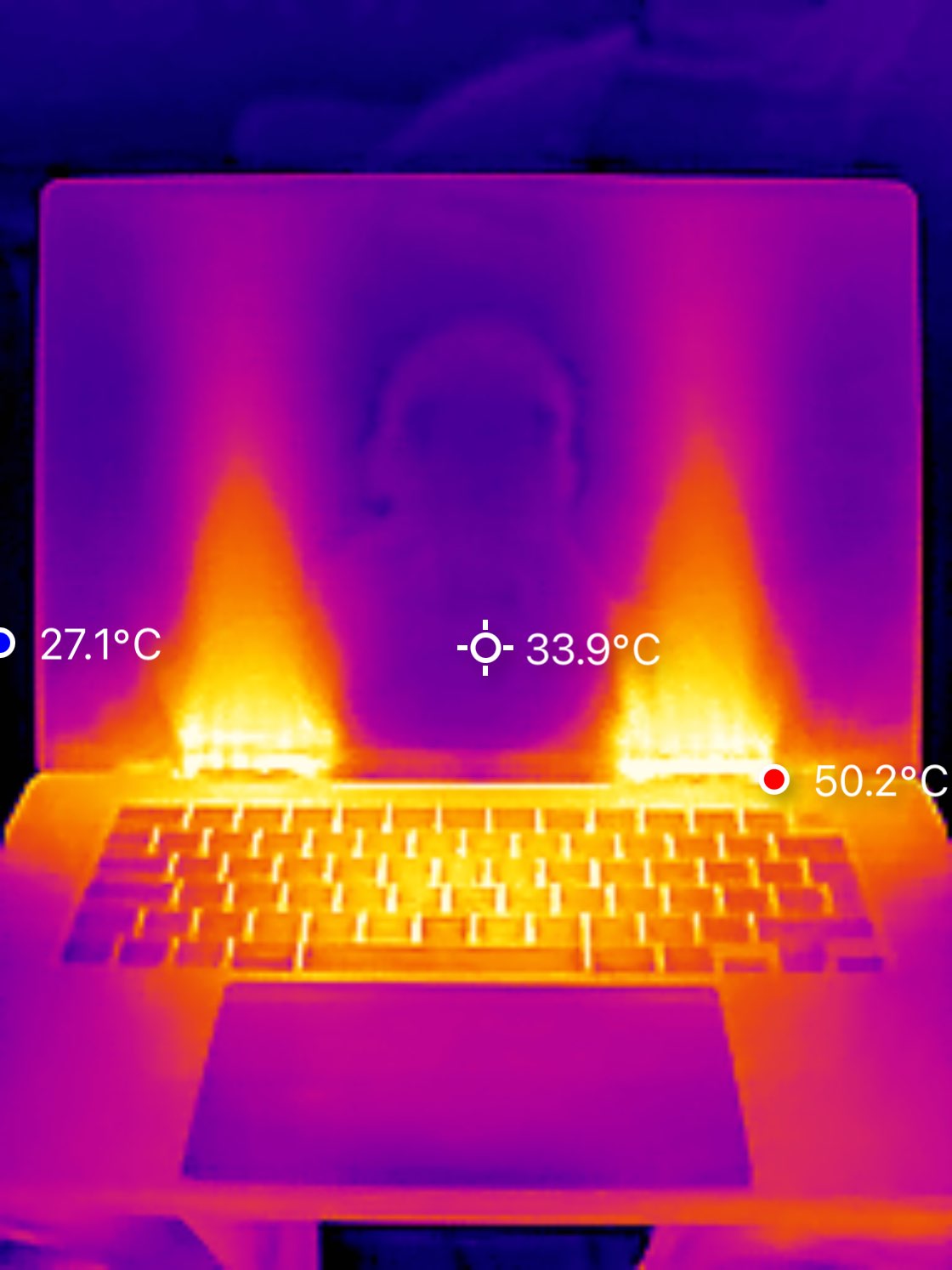
A 27B model runs local coding well — on a $6,699 laptop that burns your fingers (quesma.com)

The post pits the dense 27B against the faster 35B mixture-of-experts variant and argues for quality over throughput — 'I'd rather generate a third as much code, but of higher quality.' It ran the model through a hex-minesweeper build and a candle-shop landing page.

A founder who owns the exact machine pushed back hard: run a heavy job on the laptop itself and your fingers burn and the fans scream. His fix — stick a Mac Mini in the basement and reach it over Tailscale, at a third of the price.

🚀Tech ★ 649 · 💬 528 · Jun 30 · #AI#dev tools#hardware#Apple#DeepSeek#Gemma+2

Mullvad's co-owner privately funded a political party. Should that move your VPN trust? (det.social)

The story's pivot is governance: many posts treated Mullvad as a one-owner company, but the firm has two co-founders and CEOs. The other one, Fredrik Strömberg, showed up in the thread to say so directly and to draw a line between a private donation and the company's mission.

The reversal cuts both ways. Some long-time subscribers said trust in a values-branded company is inseparable from its owners' choices; others said they pay Mullvad precisely because the code, not the founder, is what protects their traffic.

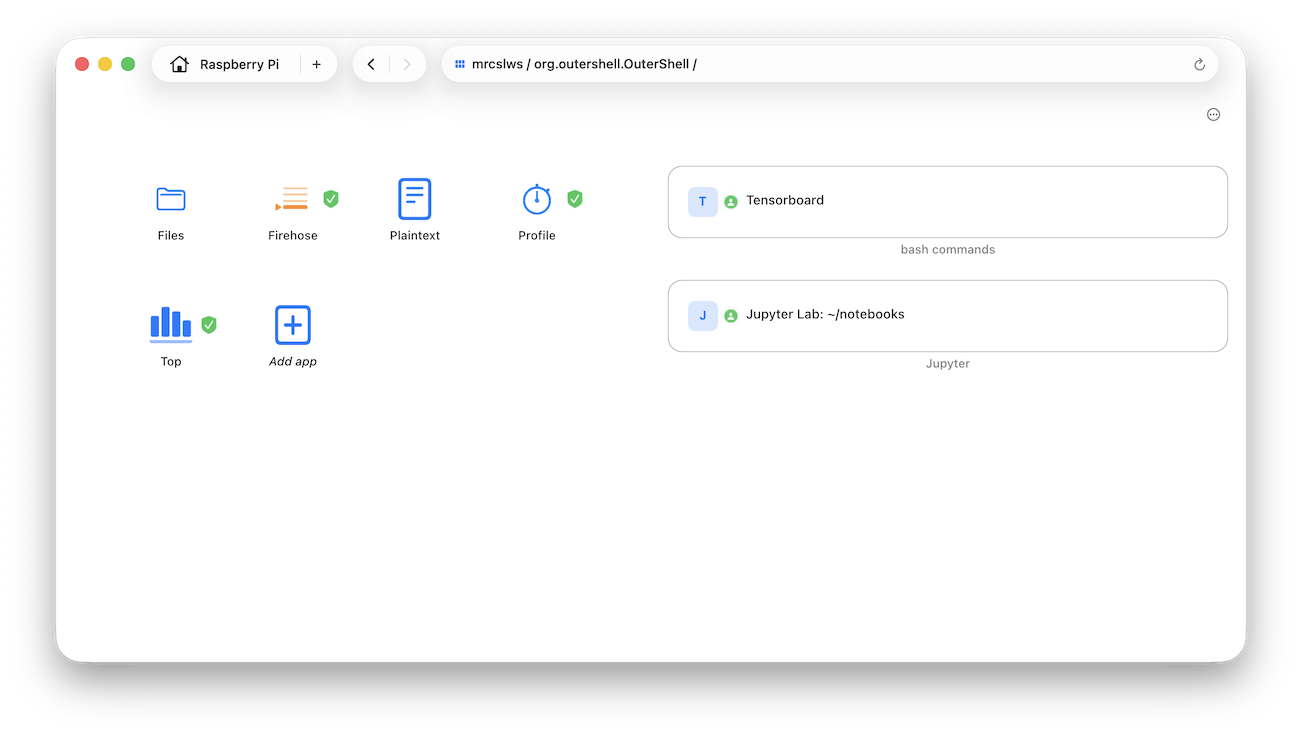
A graphical shell for SSH where every app is its own tiny HTTP server (probablymarcus.com)

The pitch: skip the dance of 'ssh -L 24601:localhost:8889' tunnels for Jupyter or TensorBoard. Each remote app becomes a small HTTP server talking over a Unix socket, encrypted by SSH itself, rendered as a real native interface on your machine.

Then the veterans arrived. Cockpit has done socket-based remote server consoles for over a decade; MobaXterm, X11 forwarding, Windows Admin Center and webmin all got named. One reply, in full: 'Cool, I hate it.'

Tidal will host AI music and tag it — but pay it zero royalties (tidal.com)

Subscribers describe feeds polluted with releases that borrow a beloved artist's name but clearly aren't them. Tidal's answer: an 'AI' badge on music it detects as wholly AI-generated, automatic removal of impersonations, and a hard rule that 100% AI tracks earn no royalties and no direct-to-fan sales.

One reader cut through it: Tidal will keep whatever value AI music adds while paying out nothing — and nobody has explained how the detector tells a Suno song from a sample-heavy human one.

🚀Tech ★ 293 · 💬 324 · Jun 30 · #AI#culture#policy#Spotify#Suno#Tidal

An article calls the radiation safety model a lie. The thread fact-checks it line by line (worksinprogress.co)

The piece leans on a Taiwan case: hundreds of apartments built with radioactive rebar gave residents years of chronic exposure, yet showed lower cancer rates than the general population. From that and Chernobyl's toll it concludes the Linear No-Threshold model overstates harm.

Then a researcher who worked on whole-genome sequencing of Chernobyl thyroid tumors pushed back: the claim of no chromosomal damage just means nobody measured at the resolution that would find it.

Memory giants sued for price-fixing again. The thread says they don't even need to (en.sedaily.com)

A fresh US lawsuit alleges the three DRAM makers coordinated the shift to high-bandwidth memory and the killing of DDR3 and DDR4 to keep supply tight and prices high. It points to Apple's sweeping product price increases as the trigger.

The skeptics in the thread, several with high karma, made an awkward point: with AI demand so hot that margins run near 80%, nobody has any reason to collude. And it isn't the first attempt: a near-identical 2022 suit collapsed when plaintiffs couldn't prove an agreement ever happened.

📈Biz ★ 371 · 💬 174 · Jun 30 · #hardware#markets#policy#Apple#CXMT#Micron+2

A rocket startup is buying a 30-year-old satellite network for $8 billion (investors.rocketlabcorp.com)

Iridium throws off $871.7M in revenue and a 57% margin on a constellation born from 1990s Motorola. Rocket Lab gets its globally-coordinated L-band spectrum, 2.55 million subscribers, and a guaranteed launch backlog as it scales its Neutron rocket.

The skeptics in the thread aren't sold: a 30-year-old network won't out-speed Starlink, and a much smaller company swallowing one twenty times its size only has to make sense to Wall Street.

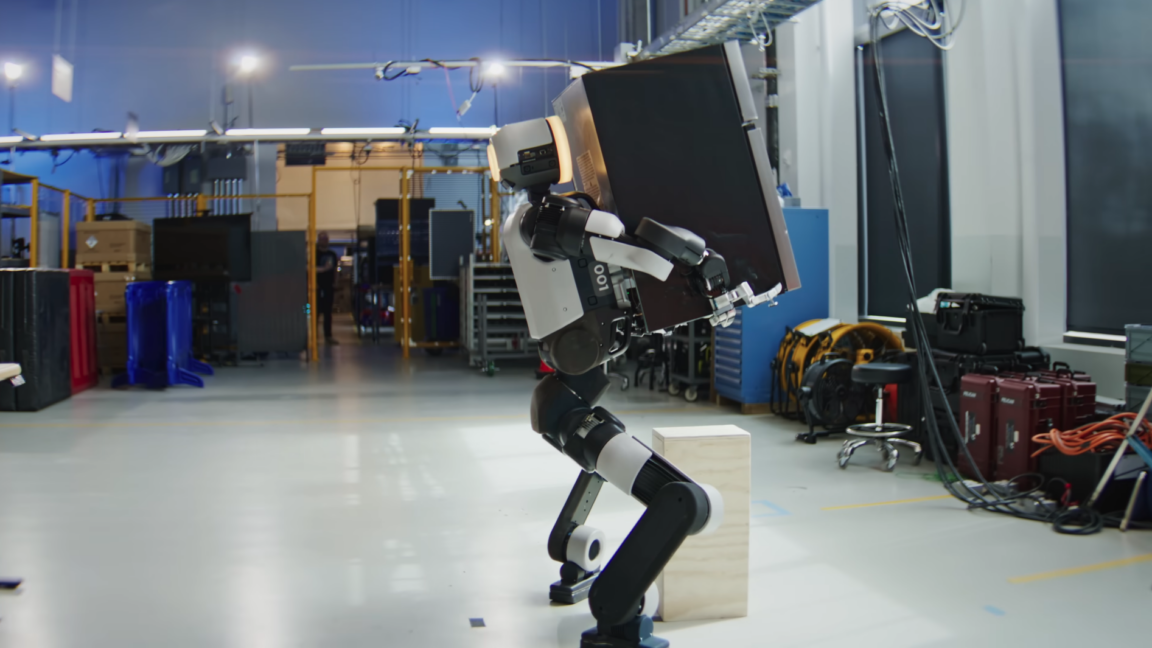
South Korea bets $1T on memory fabs and humanoid robots in one breath (arstechnica.com)

Seoul wants to double the country's DRAM capacity within five years and turn Korea from the world's biggest robot user into a leading robot maker. Samsung alone pledged about 1,000 trillion won over ten years across chips, AI data centers, and what the plan calls 'physical AI'.

One commenter read the bundle as groceries plus dance lessons: memory is an essential commodity, humanoids a sexy bet that may or may not pay off. Others tied the robot urgency to Korea's looming demographic cliff.

A $180k SF salary buys you 'junior', and the thread blames Prop 13, not OpenAI (nytimes.com)

The article pins SF's squeeze on demand from AI money — OpenAI and Anthropic salaries pushing rents up. One person quoted thought $200k meant never worrying; she and friends now skip restaurants for potlucks.

A startup founder in the thread said $180k now mostly buys 'new grads or relatively junior talent', and a househld near $400k calling itself 'not completely hopeless' drew scorn. The sharpest replies pointed past salaries to Prop 13, zoning, and a metro with almost no high-rises.

Sony is deleting 551 movies people 'bought' on PlayStation, with no refund (playstation.com)

The legal page is plain: 'due to our content licensing agreements, you will no longer be able to access your previously purchased content from Studio Canal, and it will be removed.' No refund. Titles named in the thread include End of Watch and a haul of kids' movies — one user lost Where's Waldo and Carmen Sandiego.

A teacher with a web-dev past put the blame on Sony's own contract: there's no good-faith reason to sign a license that lets the other side reach into a paid library and delete it.

SCOTUS says geofence warrants get Fourth Amendment protection, then punts the hard part (theguardian.com)

Google handed police the robbery case in three escalating tranches: first 19 anonymous accounts within 150 meters of the bank, then nine, then the names behind three. One was Okello Chatrie, later sentenced to 12 years. The Court ruled that pulling location data this way triggers Fourth Amendment scrutiny.

But it declined to call geofencing itself unconstitutional, remanding the probable-cause question to the lower court. As one reader put it, the celebration is for a rubber stamp with a few extra steps.

Instagram is dropping users' own photos into ads for Meta's smart glasses (twitter.com)

A widely shared post claims Instagram is now inserting users' own photos into ads for Meta's smart glasses, with the caption 'the era of ultra personalized ads has begun.' The reaction on HN was less alarm than fatigue.

One reader dug up Facebook's 2013 terms granting exactly this permission, name, photo and content for sponsored use, with no compensation. As another put it: ten years ago this caused outrage; in 2026 nobody, including potential customers, seems to care.

European ISPs want piracy rightsholders to pay for the sites they wrongly block (torrentfreak.com)

EuroISPA is asking the EU to make rightsholders financially liable for collateral damage from overbroad site-blocking. Its examples are concrete: Italy's Piracy Shield hit over 7,700 domains and once knocked a Portuguese host's email offline for 16 days; Spain's LaLiga blocks shared IPs so aggressively that banking and developer tools vanish during matches.

One reader's caution cut through the cheering: model-training firms also want a looser grip on content, so a win framed as protecting users could quietly become a fight over who profits.

🌍Other ★ 353 · 💬 104 · Jun 30 · #policy#privacy#web#AGCOM#Cisco#Cloudflare+2

The case that avoiding the sun could be as deadly as smoking, and why Australia disagrees (outsideonline.com)

The article's core finding is counterintuitive: across cohorts, more sun exposure tracked with lower blood pressure and lower all-cause mortality, and high blood pressure kills far more people than melanoma does. The implied driver isn't vitamin D the pill, but the sunlight itself.

An Australian in the thread cut it short: "the skin cancer capital of the world — no, no it is not." Another pointed to the ozone hole Stone Age humans never lived under, so sun exposure is simply more harmful now than the evolutionary argument assumes.

🌍Other ★ 97 · 💬 98 · Jun 30 · #culture#health#science#Australia#Outside

A new .self TLD promises everyone a free subdomain. The thread found the holes fast (hccf.onmy.cloud)

A group called HCCF wants .self to give each person a free subdomain, policed against squatting and reselling, as an on-ramp to digital sovereignty. The site errored out under load — fittingly, a self-hosting manifesto that couldn't survive its own front page.

Readers asked the questions the proposal didn't: how do you fund a TLD with no registration fees, how do you enforce one-per-person without an identity nightmare, and why does this need a new TLD at all?

He purged systemd from Debian for OpenRC. The boot didn't survive the command (danielcordova.me)

The trigger was age-verification: when that law was 'cooking' and systemd added a field for it, Cordova decided the init system had outgrown its job. His swap command tried to purge systemd and install OpenRC in one chained step — and one reader spotted that if the purge half-fails, OpenRC never installs.

A second voice cut deeper: OpenRC hands back dependency ordering, crash supervision, and cgroup resource accounting as your problem. That, not the install, is the real work.

A blogger says Microsoft needs a $49 Windows Lite. Developers in the thread disagree (philipbohun.com)

Bohun argues that without builders there's no software and no users, so a clean Win32-only OS would win developers back and eventually replace mainline Windows while costing less to maintain. The price: $49, permanent, no subscription.

The catch several engineers flagged: dropping .NET guts one of the main things developers build on. Others said the product already exists quietly as LTSC, and that Microsoft wants you subscribed to OneDrive and Office, not buying a $49 disc once a decade.

An agent multiplexer that lives in your terminal, and the tmux crowd isn't sold (github.com)

Herdr gives each agent a real terminal, tracks its state without configuration, and exposes a Unix-socket API so agents can orchestrate their own workspaces. It detects Claude Code, Codex, Cursor, Copilot and 10+ others by process matching.

A high-karma user described replacing a dozen terminal windows of agents he could only inspect by VNC, now reachable from his phone over Tailscale. The recurring counter: 'Just use tmux no?'

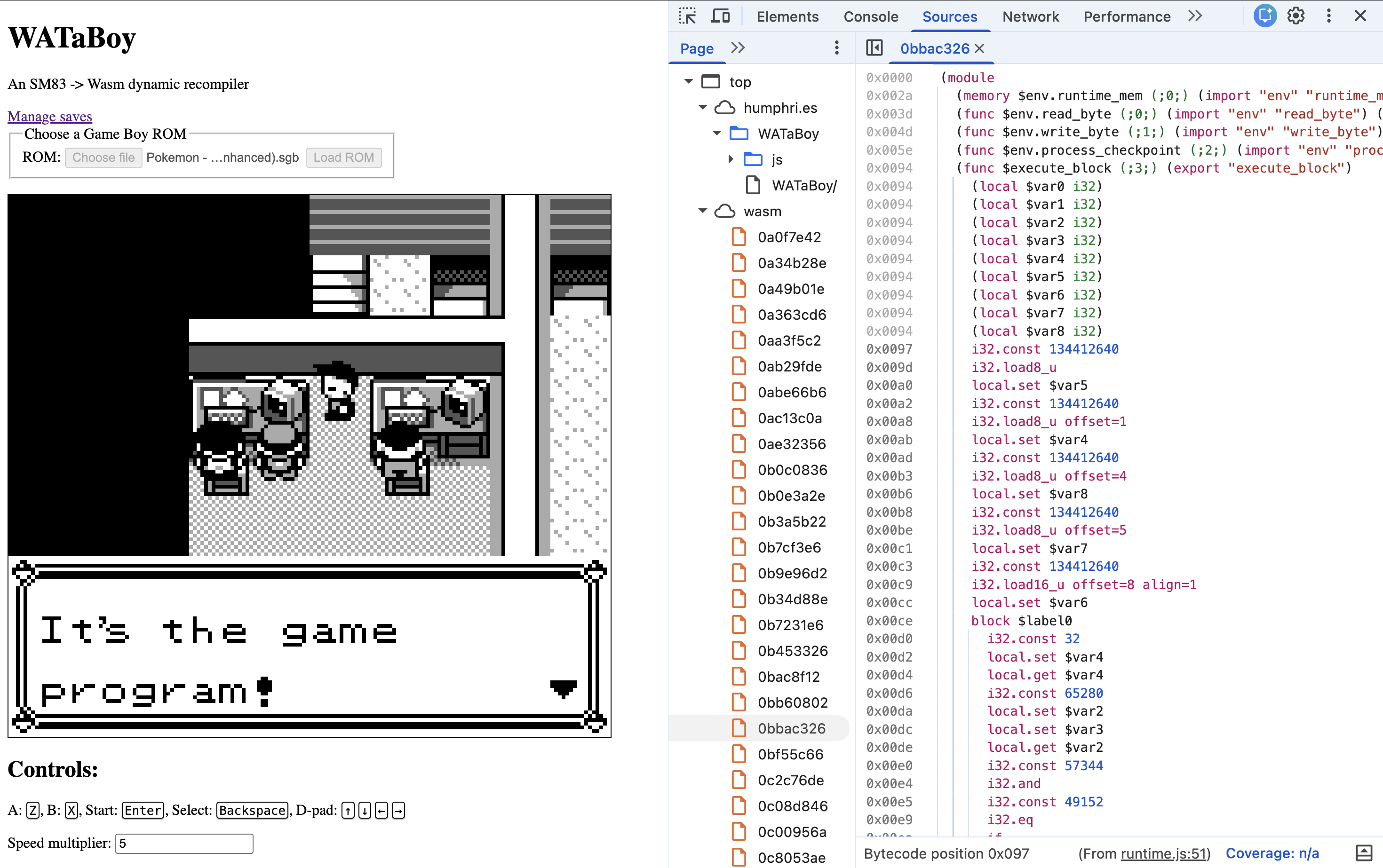
An undergrad's Game Boy emulator beats a native interpreter by JIT-ing to WebAssembly (humphri.es)

The trick is the second layer. WATaBoy emits WebAssembly bytecode for hot game code, and Safari's engine compiles that Wasm to native machine code on its own — so the emulator rides the browser's JIT instead of fighting it.

A systems engineer in the thread deflated the surprise with arithmetic: Wasm overhead runs near 20 percent, an interpreter's loop overhead near 1000. Beating the interpreter was never the hard part. The novelty is a Game Boy JIT runtime existing at all.

🚀Tech ★ 184 · 💬 30 · Jun 30 · #gaming#programming#web#Apple#Game Boy#Safari+1

NixOS 26.05 ships from 2,842 contributors — and LLMs are quietly driving its adoption (nixos.org)

This release pruned hard: 17,532 outdated packages removed to keep nixpkgs maintainable, systemd now drives stage-1 boot by default, and x86_64-darwin support ends here — the last NixOS to build for Intel Macs.

The thread's surprise wasn't the changelog. One full-karma user said what got him over the famously steep learning curve was configuring the whole system with Claude Code; others noted an LLM can read your entire declarative OS and answer accurately instead of guessing at /etc.

Age checks aren't about kids, the essay argues — they're a switch for attributing speech (nonogra.ph)

The essay reframes 'protect the children' as plumbing for prosecution: law enforcement needs what-happened plus who-did-it, and identity-bound accounts automate the second half. Its advice is sparse — refuse to verify; if forced, pay an age service in Monero.

The harshest pushback was tactical, not ideological. A high-karma engineer called the crypto answer an unscalable dodge: the only fix is calling your representatives, and 'the only group competent enough to oppose identity verification has its head in the sand.'