Tag

Financial Times

3 stories

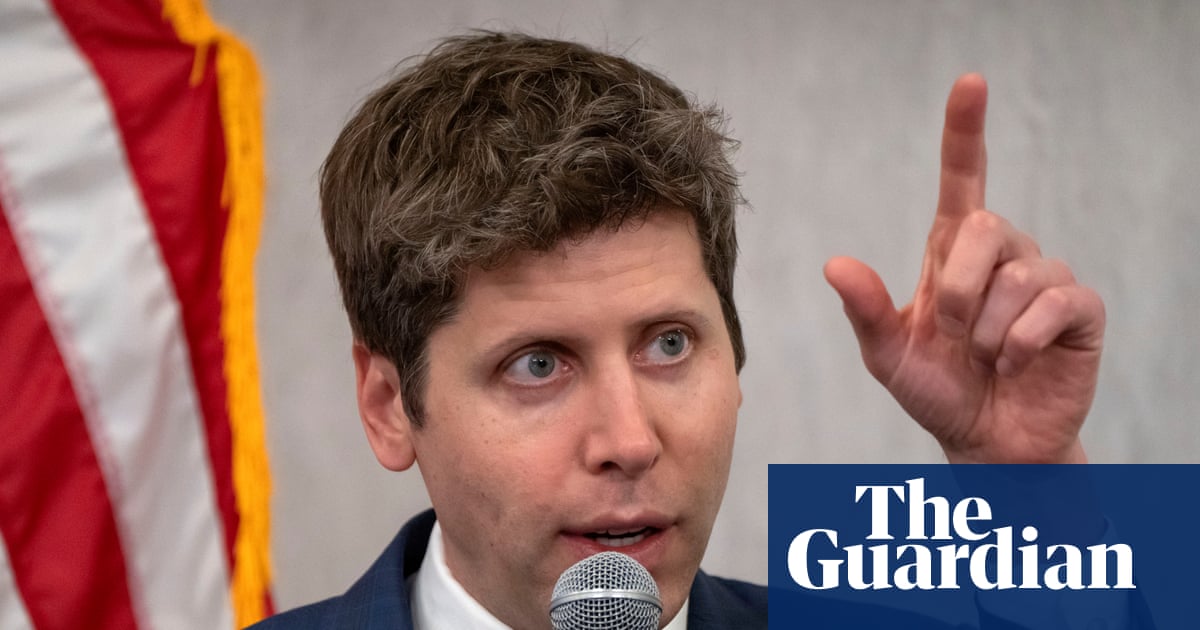
OpenAI floated giving Washington a 5% stake — worth about $43 billion. The thread called it a moat, not a gift (theguardian.com)

Altman's pitch: it shares AI's upside with the public, modeled on Alaska's oil fund. The reported terms include an ask for Anthropic, Google and Meta to match, with talks running through Trump, Lutnick and Bessent.

HN read it as strategy, not generosity. If the government owns a slice of OpenAI, how does it regulate OpenAI — or bless a rival's merger? One founder called it a Trojan horse for 'too big to fail' status. Another asked: if the public shares the upside, why 5% and not 50%?
Not just a headline — the discussion unpacked

The top HN threads: facts from the discussions, both sides, insider voices. Email, Telegram, or RSS.

Venezuela tallies $240B in debt, $90B more than markets priced in (euronews.com)

Of the $240B, only about $60B is bonds; another $40B is interest accrued since the default, with the rest spread across China, Russia, oil-company claims and expropriation awards. The economy backing it is now near $100B, down from $370B in 2012.

The thread's counter-read: much of this never gets paid in full. Analysts and a markets regular point to the 'odious debt' doctrine and a likely 50% haircut, while oil-secured claims keep their leverage because Venezuela needs those same firms to rebuild.

A firm blew its 2026 AI budget by April, then capped staff at $1,500/month (ft.com)

One ride-hailing firm tried to plan a year of AI spend in advance and ran out in four months. The fix was a per-person cap of $1,500 a month on individual AI tools.

The catch nobody priced in: none of the model vendors are profitable, so today's bills are already subsidized. The number companies are straining against is the cheap one.

And the cited stat about Chinese models 'overtaking' US ones in usage rests on a single aggregator's traffic, not the APIs most customers actually hit.