Tag

Scientific American

3 stories

Why forgetting a thought in a doorway points to consciousness (scientificamerican.com)

Hold a thought, walk through a doorway, lose it. Birmingham philosopher Henry Taylor says consciousness ignites when working memory hands its contents to attention, which broadcasts them brain-wide.

His proof cases include a study where 75% of phone-distracted walkers missed a unicycling clown. A neuropsychiatrist in the thread calls working memory mere CPU cache, wired beside consciousness, not its source.

Not just a headline — the discussion unpacked

The top HN threads: facts from the discussions, both sides, insider voices. Email, Telegram, or RSS.

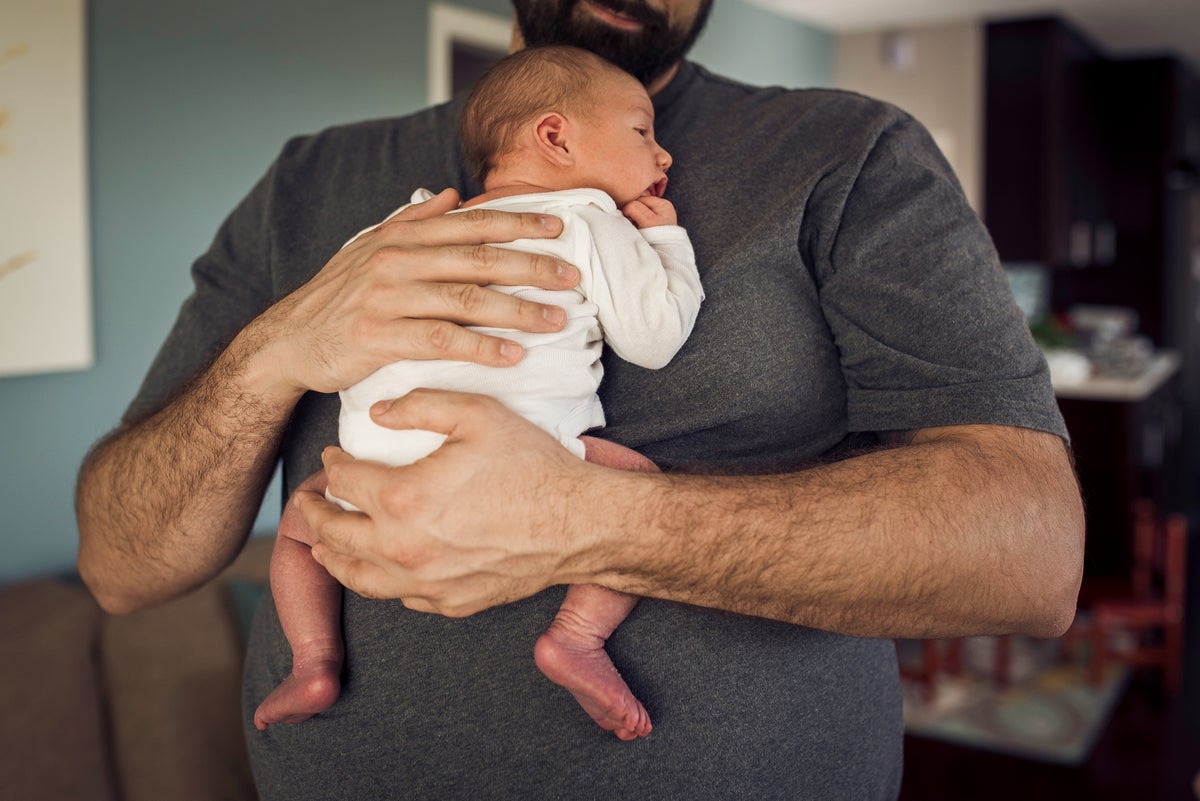
New Fathers Show the Same Brain Pruning as First-Time Mothers (scientificamerican.com)

A 2014 study found heterosexual fathers, mothers, and gay primary-caregiver fathers all changed in the same "parental caregiving network." Paternal postnatal distress often surfaces as anger, irritability, or substance misuse rather than sadness — and arrives later than the maternal onset.

On the thread, men described the change without the lab language: one ex-forensics worker, long desensitized to abuse footage, found that after his child arrived he simply could no longer look.

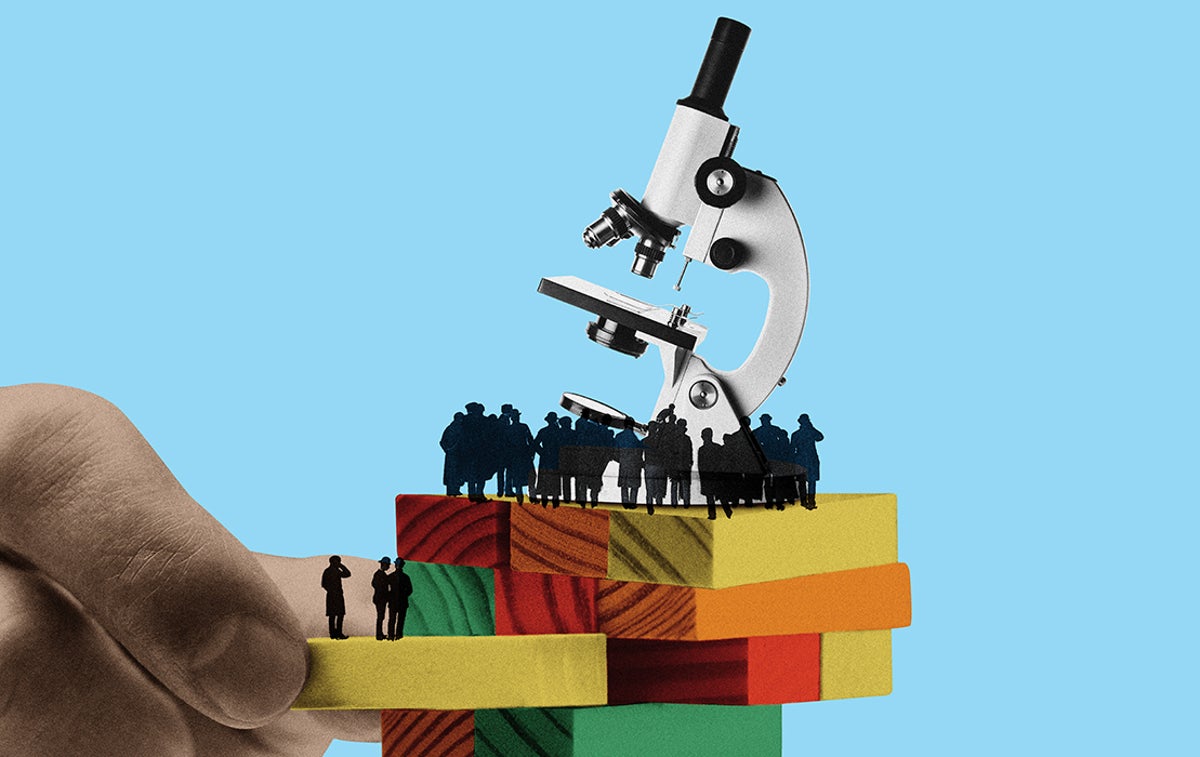
A decade of work, killed by a keyword search: scientists describe US research in freefall (scientificamerican.com)

AXIS lost twenty team members to DOGE buyouts, missed a budget deadline after the shutdown, and quietly died after a decade of work. One Harvard researcher in the thread watched a study get flagged because it "engendered a robust hemodynamic response" — a keyword match.

Then a computational-biology PhD who left the field for software said something the room didn't expect: US science actually does need some cuts. The argument over how it was done, versus whether it should have been, runs through 800 comments.

🔥Hot Discussion ★ 673 · 💬 807 · Jun 18 · #policy#science#space#DOGE#NASA#NIH+1