Tag

LLMs

4 stories

An AI skeptic asks whether productivity claims have earned layoffs (blog.jsbarretto.com)

The essay warns against treating intellectual labor as interchangeable output. HN readers countered with supervised workflows that let them do work they otherwise could not.

Both views point to the same test: local task speed is observable, while organizational transformation must survive quality costs, oversight, and work omitted from benchmarks.

Not just a headline — the discussion unpacked

The top HN threads: facts from the discussions, both sides, insider voices. Email, Telegram, or RSS.

When code gets cheaper, management’s bottleneck becomes choosing what deserves code (karimjedda.com)

The post asks managers to shift from measuring delivery to deciding which bets create durable impact. Readers agreed with the diagnosis of a changing job, but challenged its premise that code was ever the primary constraint.

If AI makes it easier to start projects, organizations may need stronger mechanisms for stopping them—and for pricing the future maintenance hidden in a fast first draft.

Debian’s proposed LLM ban exposes a harder question: what counts as assistance? (lists.debian.org)

The proposal argues that uncertain licensing, error-prone output, reviewer burden, and scraping-driven infrastructure costs conflict with Debian’s stability and community values. It excludes upstream projects using LLMs, but would cover Debian’s own software, web resources, documentation, and translations.

HN’s most useful response was practical: instead of asking whether a tool was involved, ask what a maintainer is personally prepared to certify and support.

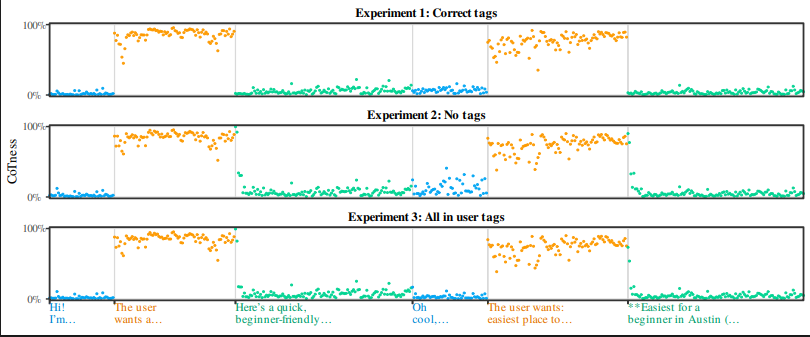
LLMs don't read role tags, they guess your role from writing style (role-confusion.github.io)

Identical text registers as the model's own reasoning even when it's tagged as user input, because the model infers role from surface style, not the tag. Swapping "The user" for "The request" cut attack effectiveness by 19 points. The unsettling part for one reader isn't the attack itself but persistent memory: a malicious instruction summarized into a note sheds its origin and comes back as the agent's own thought.