Tag

Kubernetes

4 stories

GitHub Trending: Today — Immich, Tailscale, microservices-demo, systematic trading, Awesome Lists (github.com)

In today’s GitHub Trending: Immich (self-hosted photo and video management), Tailscale (WireGuard networking), microservices-demo (a Kubernetes and Istio sample), awesome-systematic-trading (quant-trading resources), and Awesome Lists (SOC/CERT references).

The surprise is that the most useful entries are not competing products. They are working systems and maps of accumulated practice, where adoption depends on clarity, maintenance, and the limits the community has already found.

Not just a headline — the discussion unpacked

The top HN threads: facts from the discussions, both sides, insider voices. Email, Telegram, or RSS.

Open-weight AI needs more than weights to get its Kubernetes moment (tobi.knaup.me)

Tobi Knaup argues that capable open-weight models are becoming platforms rather than merely self-hosted alternatives. The emerging stack already includes vLLM, SGLang, llama.cpp, Ollama, MLX, fine-tunes, adapters, and deployment tooling.

HN readers liked the interoperability argument but challenged the analogy’s missing ingredient: frontier model training demands capital on a scale that open-source software never did.

🚀Tech ★ 312 · 💬 254 · Jul 26 · #AI#open source#policy#GLM 5.2#Kimi K3#Kubernetes+2

An LLM wrote 100,000 lines putting Kubernetes in a browser; he read every one (ngrok.com)

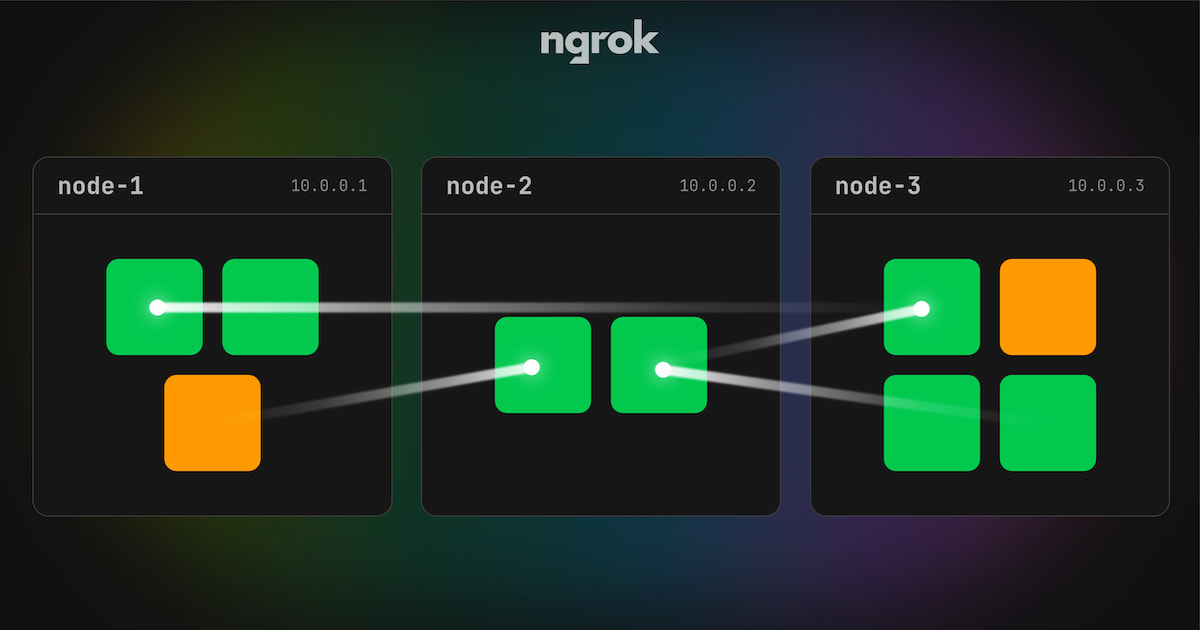
An ngrok developer educator ported a slice of Kubernetes to TypeScript so a cluster runs entirely in the browser: pods, DNS, deployments, garbage collection, all client-side. LLMs wrote almost all of it, roughly 100,000 lines across 552 commits in two months.

His answer to the inevitable 'is this just slop?': read every line, plus 204 integration tests and 1,855 unit tests asserting it matches a real cluster via the official k8s client. An SRE in the thread noted the easy 80% is done; ConfigMaps, Secrets and Ingress are where the pain lives.

🚀Tech ★ 167 · 💬 55 · Jul 1 · #AI#dev tools#web#Kubernetes#ngrok#Sam Rose+2

Google wants to build a datacenter from 2,000 retired Pixels. The thread lists what kills phones (research.google)

A 20-phone cluster already grades a 75-student class; a 2,000-Pixel datacenter is planned for this fall. The pitch is reuse over recycling: keep the silicon working instead of smelting it.

The thread aimed at the company, not the idea. Why preach open Linux on phones, one reader asked, when Google built the platform specifically to stop you installing your own OS — and others flagged eMMC chips that simply die.