Tag

Sam Altman

7 stories

Altman Called Ads a 'Last Resort.' ChatGPT Now Has Them Anyway (ads.openai.com)

The page that just went live promises ads "clearly labeled" and "separate from answers," rolling out first to only seven countries, about 8% of the world's population, and skipping every paying subscriber.

The asterisk sits in OpenAI's own targeting rules: sensitive chats stay ad-free, but the memory they leave behind doesn't. It can still steer which ad shows up in an unrelated chat the next morning.

Not just a headline — the discussion unpacked

The top HN threads: facts from the discussions, both sides, insider voices. Email, Telegram, or RSS.

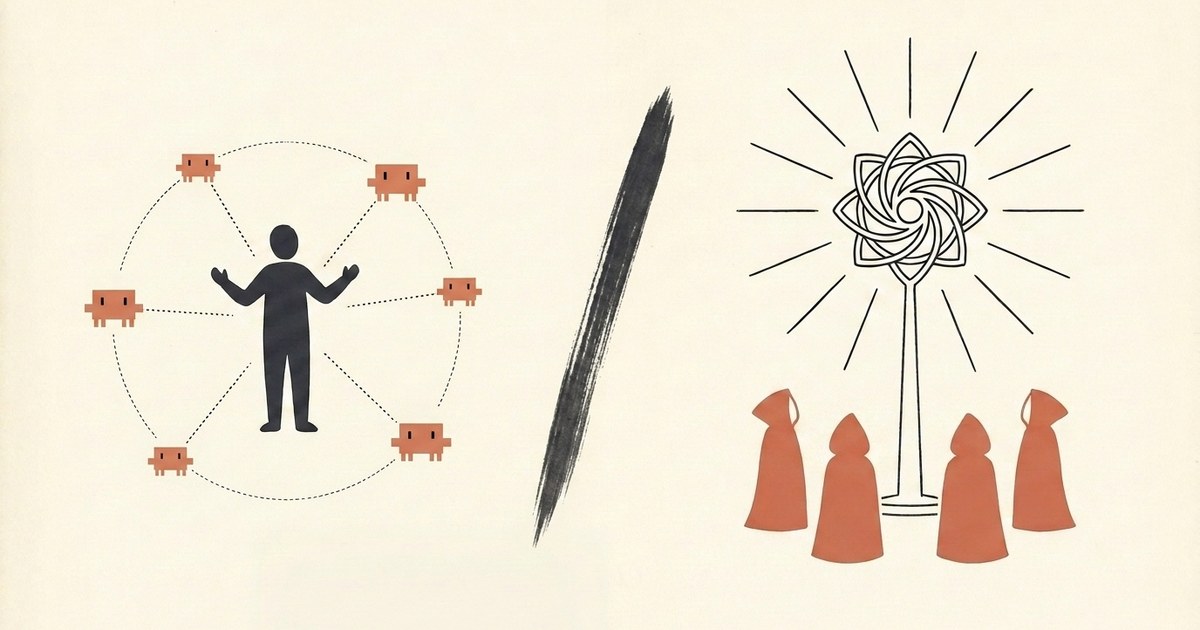
One essay's fix for AI chaos is giving every worker their own agent (off-policy.com)

An engineer used 64 Claude Code instances in parallel to rewrite 535,496 lines of Zig into Rust in 11 days, about 750 engineer-days of work. Gavriel Cohen calls it proof AI agents need a human directly accountable for what they ship, not a handful of AI labs deciding for everyone.

On Hacker News, a SaaS founder said the alarm over ungoverned agents smelled like the "shadow IT" scares vendors sell before pitching a governance platform, while a survey the essay cites found 52% of workers already run unapproved AI tools anyway.

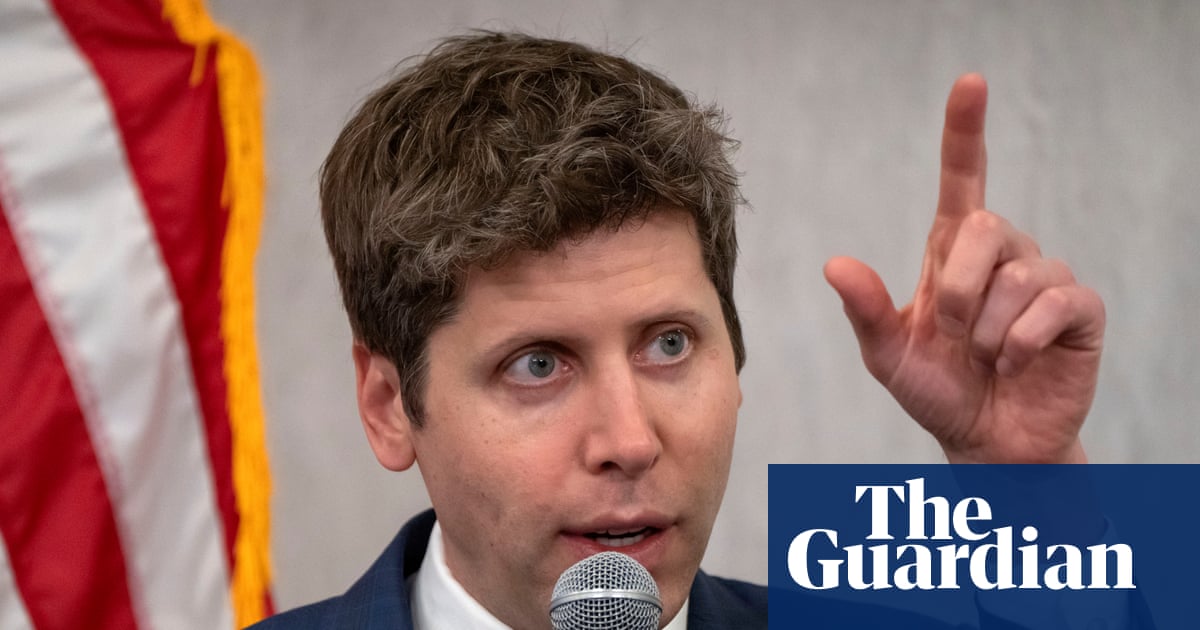
OpenAI floated giving Washington a 5% stake — worth about $43 billion. The thread called it a moat, not a gift (theguardian.com)

Altman's pitch: it shares AI's upside with the public, modeled on Alaska's oil fund. The reported terms include an ask for Anthropic, Google and Meta to match, with talks running through Trump, Lutnick and Bessent.

HN read it as strategy, not generosity. If the government owns a slice of OpenAI, how does it regulate OpenAI — or bless a rival's merger? One founder called it a Trojan horse for 'too big to fail' status. Another asked: if the public shares the upside, why 5% and not 50%?

The essay arguing that if AI does everything, even the billionaires become pets (borretti.me)

The argument: capital protects you only while the state needs the value humans create. Strip that out and property rights are whatever an AI-run state decides to honor. The rich, Borretti claims, “just don't have that much political power” once they're materially redundant.

The thread's best rebuttal isn't optimism — it's that the essay smuggles in its conclusion, quietly upgrading “can do all work” to “runs autonomously, has its own goals, is conscious,” until the doom is just a tautology.

OpenAI's own advisers are telling Altman to delay the IPO until 2027 (nytimes.com)

The New York Times reports that Sam Altman's advisers want OpenAI to hold its IPO until next year, citing SpaceX share volatility and OpenAI's own financial strain. The first reaction on HN was to quote that line back and ask the obvious question.

If the company isn't blowing smoke, one reader wrote, what's there to fear from public markets? An established commenter was blunter: the delay reads as a company in deep trouble, kicking the can until sentiment improves.

📈Biz ★ 100 · 💬 87 · Jun 26 · #AI#markets#startups#OpenAI#Sam Altman#SpaceX

Amazon shelves its finished Sam Altman movie months after a $50B OpenAI deal (the-independent.com)

Amazon's framing is almost polite: it has "the utmost respect" for Guadagnino and is helping the team "find the film a new home" — reportedly A24 may bite, since it's screening well. The film, written by SNL's Simon Rich, dramatizes the five days Altman was fired and reinstated.

The thread cut past the PR to the structure: when the platform that owns the studio also owns a stake in the subject, an unflattering portrait becomes a conflict of interest by design.

'We trusted them because they didn't seem to want our attention.' What happened to nerds? (mrmarket.lol)

The essay's exhibit A is a Founders Fund 'mafia' video where Sam Altman, Palmer Luckey and others play deception games — reality TV as a laundering technology that turns someone you'd keep at arm's length into a recurring guest.

HN's pushback reframes the whole complaint: you're describing business and management people who learned to perform, not engineers who lost their way. The split is whether 'nerd' was ever a job or always a temperament.