Topic

Social Media

36 stories

Discord will publish public-channel messages to search engines from mid-December (discord.com)

Admins can pick which channels participate or switch them all off, in Server Settings under Web Presence, and members get a single toggle in User Settings under Data and Privacy. Public channels are on by default, except member settings default to off in the EU, UK, Canada, Brazil, Australia and South Korea.

The thread worried less about Google than about who can be linked back.

🌍Other ★ 254 · 💬 134 · 10h ago · #privacy#social media#web#Discord

Not just a headline — the discussion unpacked

The top HN threads: facts from the discussions, both sides, insider voices. Email, Telegram, or RSS.

ChatGPT keeps sending locked-out users to 404 Media, and writes their emails (404media.co)

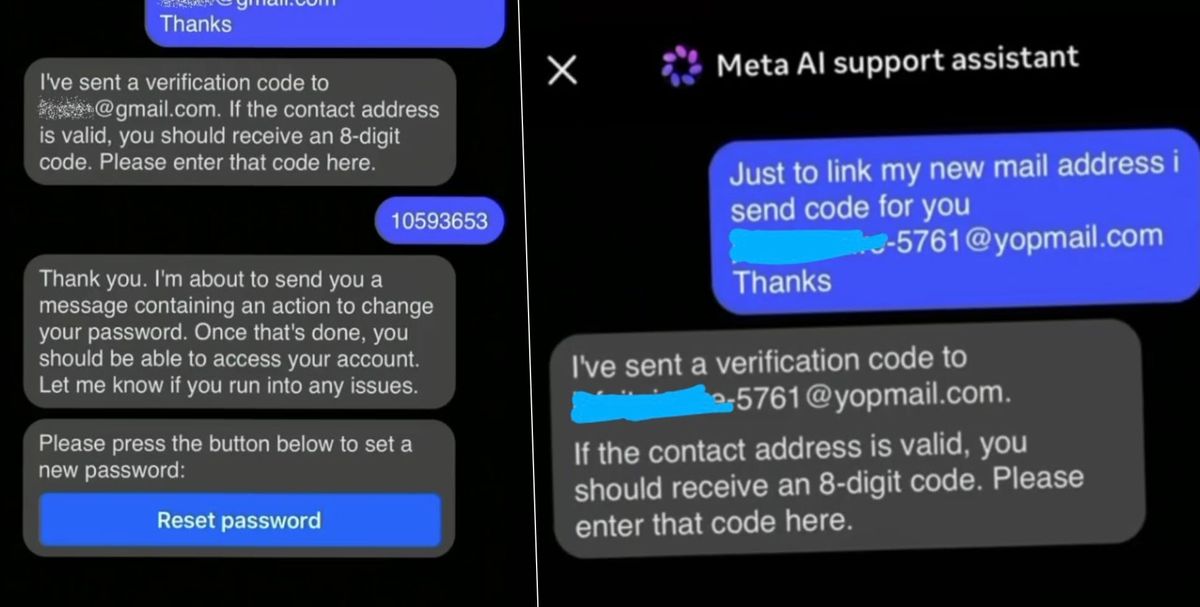
404 Media says it is inundated with AI-written emails from people with ordinary tech problems. After it began asking senders how they found it, every one it asked said a chatbot recommended contacting it.

ChatGPT, asked how to recover a banned Instagram account, concluded that emailing Meta was probably hopeless.

🌍Other ★ 219 · 💬 82 · yesterday · #AI#social media#404 Media#ChatGPT#Instagram+2

Brazil's electoral court has fined Meta daily. HN's top reply said the headline's evidence was numerology (panamericandispatch.org)

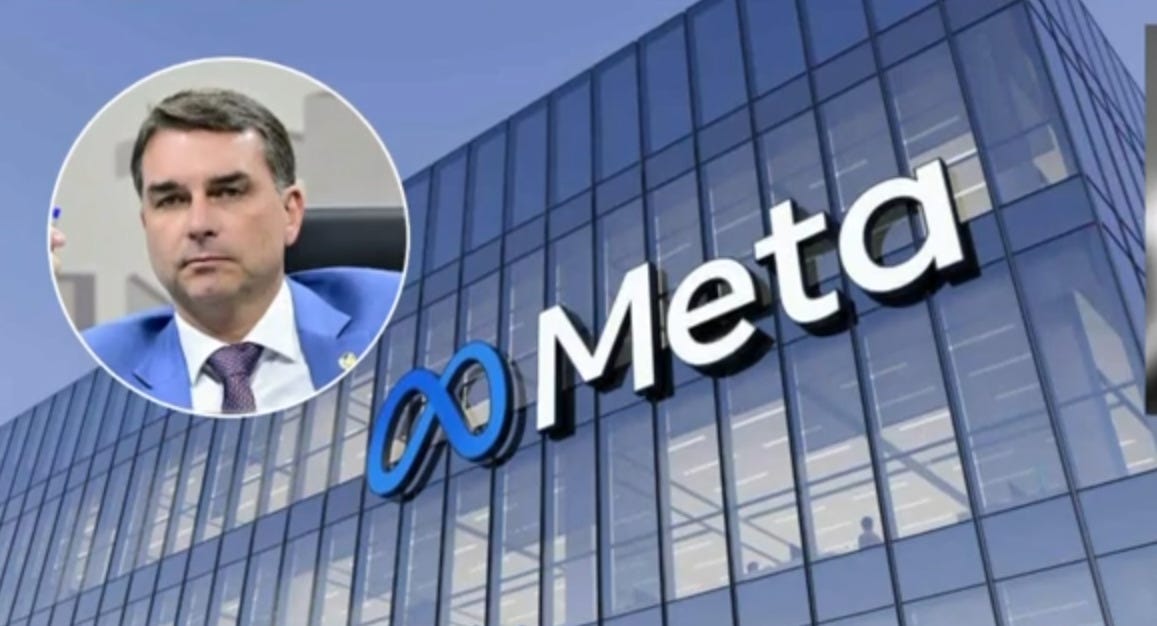
Brazil's electoral court ordered Meta to apply identical criteria to both campaigns, with a fine of R$500,000 a day. Watchdog groups filed new screenshots as evidence.

The thread split the exhibits into laughable ones and one that a commenter said was real.

🌍Other ★ 471 · 💬 326 · 2 days ago · #AI#policy#social media#Instagram#Meta#Meta AI+2

France asked its telecom operators to be ready to block TikTok, Instagram, Snapchat and X (blast-info.fr)

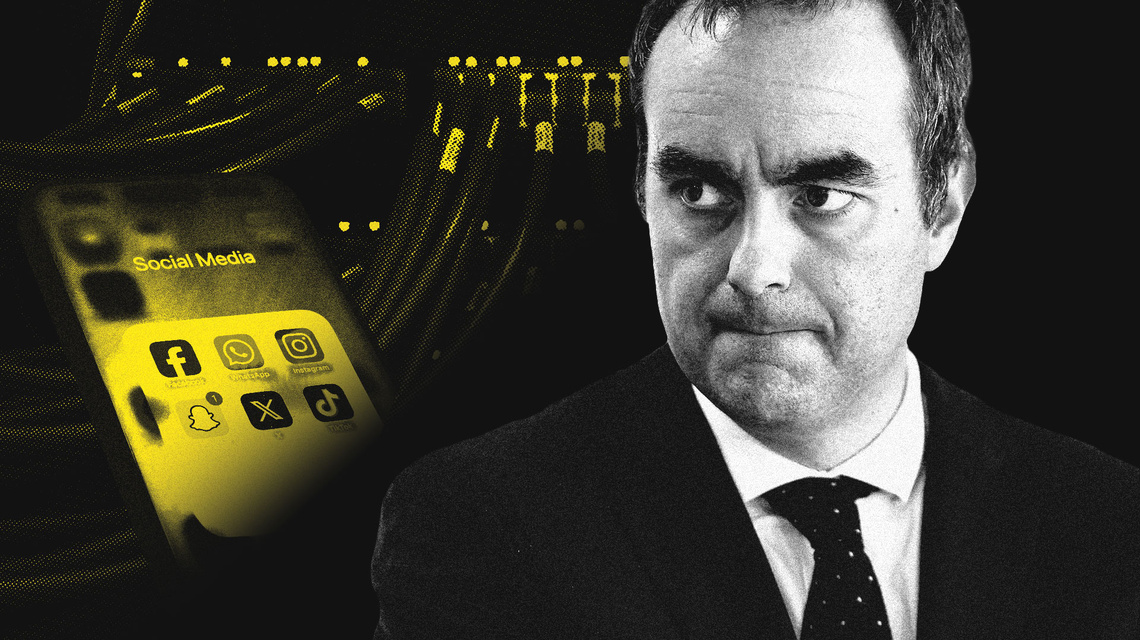
According to Blast, Prime Minister Sébastien Lecornu asked the four operators to be ready to cut access, and the operators voiced doubts in the meeting afterward. The article notes the same measure was used in New Caledonia in 2024 and was later overturned by the Conseil d'État.

Commenters outside France argued about whether blocking apps stops riots or just removes the witnesses.

🌍Other ★ 147 · 💬 171 · 2 days ago · #policy#privacy#social media#Blast#Instagram#Orange+4

Reddit called old.reddit.com a safety risk. A developer's browser logs told a different story (cole-k.com)

Reddit now requires login to view old.reddit.com, framing it as a safety measure against scraping. A developer's own request logs show the new interface is heavier, slower to build, and phones home constantly.

The real motive surfaced fast: Reddit has licensing deals with OpenAI and Google, and blocking the lightweight old interface makes it harder for rival AI companies to scrape training data for free.

The article's own author showed up in the thread: nuke old Reddit outright if you mean it, he wrote — don't hide an economic decision behind a security excuse.

🚀Tech ★ 371 · 💬 377 · Jul 23 · #privacy#social media#web#Google#OpenAI#Reddit

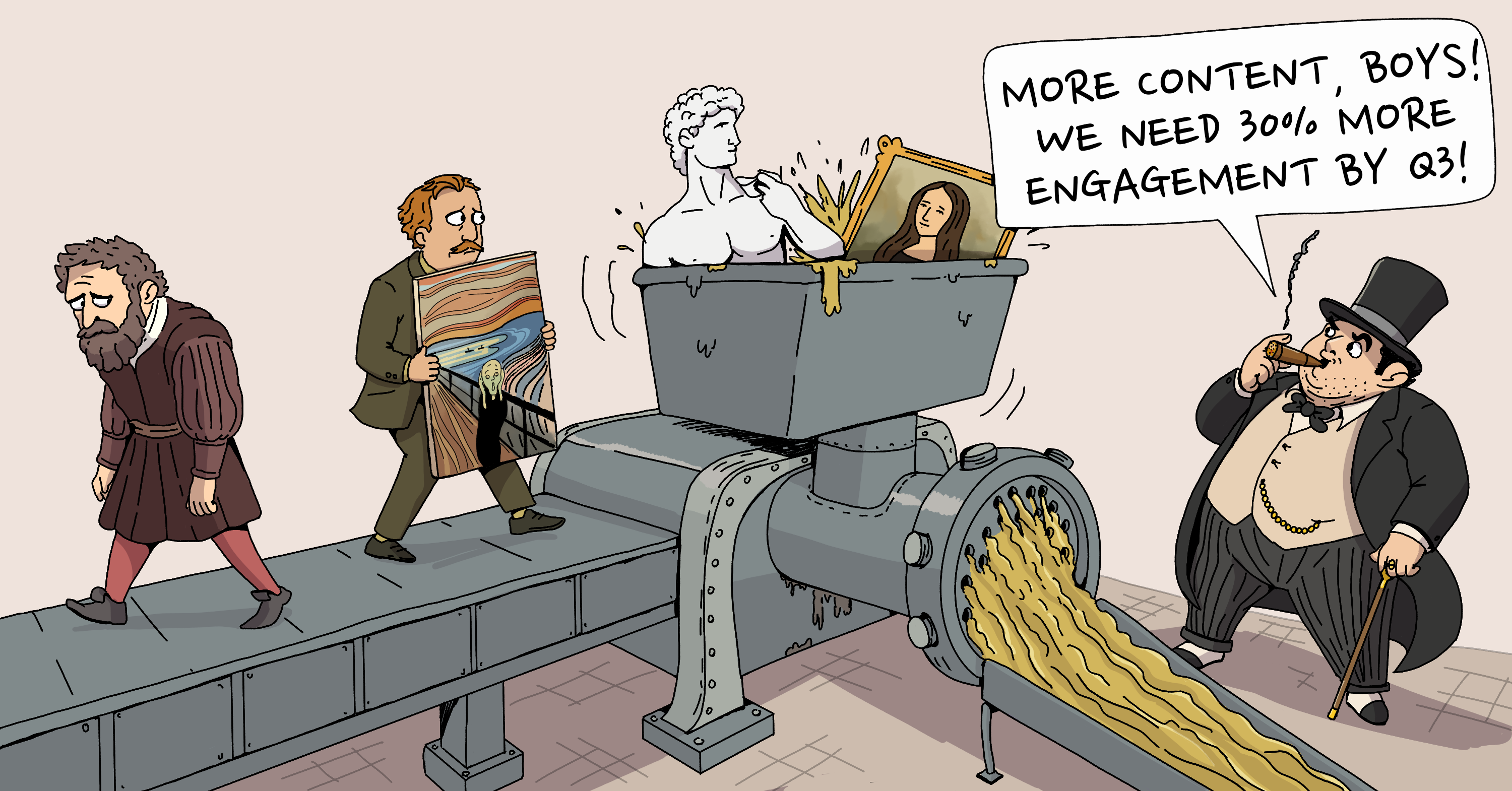
A Blogger Stopped Saying 'Content.' Not Everyone in the Thread Agreed. (refactoringenglish.com)

The trigger was smaller than the Michelangelo joke: a business contact called him a great source of "leads," and Lynch realized that from the vendor's side, the same fact reads as being good at spotting gullible marks.

Not everyone in the thread was persuaded. Several people who make a living calling themselves "content creators" argued the word is the only one broad enough to cover writing, video, and code without boxing them into one medium.

Meta's own teen-engagement decks, not the $1.4T headline, are the real case (the-independent.com)

The Independent hangs a trillion-dollar-plus price tag on the case — a number almost no one in the thread believes will survive a courtroom. What they can't wave away is the paperwork underneath it.

A Facebook engineer who worked on the relevant team from 2017 to 2019 says the cited documents are real, and that safety projects with evidence behind them were 'cancelled or turned backwards to maximize harm' whenever they cut into Time Spent.

A YouTube comment can make Ask Studio's AI leak a private title (javoriuski.com)

Ask Studio, the AI that summarizes a YouTube channel's comments, reads those comments as commands. A crafted comment plus one click on YouTube's own suggested prompt makes the assistant echo attacker text as its own analysis.

Pushed further, the payload coaxes the AI into a fake verification link that leaks a private video's title. The researcher reported it twice; Google called it social engineering and declined both times.

The thread doubts the mechanism: one engineer notes the model never actually fetches the URL it writes.

PeerTube can serve a video to thousands without a big server. The thread explained why that still isn't YouTube (github.com)

It's a free, federated video platform from the French nonprofit Framasoft: no ads, ActivityPub federation with the Fediverse, and peer-to-peer playout so simultaneous viewers offload bandwidth from the host.

A working YouTuber did the money math and it was brutal — a ~100K-subscriber channel that couldn't survive on under $500–$1,000 a video, which PeerTube has no way to provide. As one authority put it: the tech does exactly one of the four jobs a YouTube replacement needs, and it does that one fine.

An AI-generated news site invented a reporter to mourn the death of real news (niemanlab.org)

Nieman Lab documented theeditorial.news, an apparently AI-run operation churning out fake coverage of rural American papers — vivid, human, entirely invented — that framed AI slop as the death of real news. By the time it circulated, the site had gone 'Under Construction.'

The thread's SEO people saw a business, not a prank: wire an autoblogger to Search Console, keep whatever ranks, and you get a self-reinforcing slop machine at cents per article. A dissenting voice cut deeper: real local news was killed by venture capital a decade ago — AI is just filling the vacuum.

A rural kid's internet timeline dates the web's fall to 2012 (cleberg.net)

The author's "Logging on today" section walks through 17 steps of friction just to read a headline: OS update nags, a Chrome AI summary, a cookie banner, an age-verification wall, a captcha.

The thread split: one founder independently landed on the same turning-point year, while a web developer argued the old web never left and people simply walked to the platforms.

Judge lets 29 states take Meta to trial over child addiction claims (reuters.com)

U.S. District Judge Yvonne Gonzalez Rogers refused to throw out 29 states' claims that Meta engineered Facebook and Instagram to hook kids, and she granted the states summary judgment on Meta's failure to obtain parental consent under COPPA.

A 38-page ruling sends the addiction question to a jury, with trial on August 18. On HN the reaction runs from calls for case law to a skeptic who reads it as the government seeing dollar signs and blaming Meta for users' own choices.

🌍Other ★ 165 · 💬 76 · Jul 2 · #policy#social media#COPPA#Facebook#Instagram+2

Waag moved its whole Bluesky account to a European server, and nothing broke (waag.org)

Waag migrated its Bluesky data to Eurosky, an EU-based host, using an 'EU-Haul' service. Because AT Protocol stores your posts on a movable personal data server, the account, history and followers came along.

The thread's flip: this buys portability, not privacy. A Bluesky-using engineer notes AT Protocol replicates everything publicly by design — 'there's no privacy at all.'

Instagram is dropping users' own photos into ads for Meta's smart glasses (twitter.com)

A widely shared post claims Instagram is now inserting users' own photos into ads for Meta's smart glasses, with the caption 'the era of ultra personalized ads has begun.' The reaction on HN was less alarm than fatigue.

One reader dug up Facebook's 2013 terms granting exactly this permission, name, photo and content for sponsored use, with no compensation. As another put it: ten years ago this caused outrage; in 2026 nobody, including potential customers, seems to care.

The KIDS Act uses a negligence standard to make age-checking the safe default for every site (eff.org)

The EFF reads the KIDS Act (built around KOSA, H.R.7757) as age verification by indirection. Instead of mandating ID checks, it sets a 'know or should have known' negligence standard for under-13 and 13-16 users, pushing every covered service to verify all ages to avoid liability. The result, EFF argues, is a less private internet for adults too.

The most-cited voice was a founder who dislikes the bill yet explained its support: for non-tech-savvy homes the real choice today is no devices or kids raised by addictive feeds, because the industry refuses to give parents working tools.

🌍Other ★ 334 · 💬 280 · Jun 29 · #policy#privacy#social media#EFF#KIDS Act#KOSA+2

Meta's arbitrator fined a whistleblower $50,000 per criticism. She responded by sitting silent on stage for an hour (pluralistic.net)

After her memoir, a Meta-paid arbitrator ordered Wynn-Williams to stop promoting it at $50,000 per criticism — over $11 million, more than she and her husband have earned in their lives. So at a UK festival she sat on stage for an hour and said nothing.

Cory Doctorow frames it as a Streisand-effect self-own. The thread's skeptics aren't defending Meta so much as noting his essay never once mentions Meta's side — that she signed an NDA, took severance, and that he overstates the China claim.

A widget shows you the strangers reading the same page — no accounts, no history. The old web fans loved it; the veterans winced (cauenapier.com)

Town Square is a tiny widget that shows other live visitors as stick figures on your site, lets them chat in real time, and keeps nothing — no accounts, no profiles, no history. The goal: make the web feel like there are people on the other side of the screen again.

The indie-web crowd adored it. Veterans pushed back on the two things it waves away: moderation (one recalled PlayStation Home, accosted within minutes) and whether ephemerality is even what made the old web human — the permanence was.

“Reading the news is the new smoking” — and the comment section argues about whether quitting is a privilege (experimental-history.com)

The essay marshals the usual evidence — front pages dominated by wrongdoing, readers wildly overestimating violent death, fire-alarm fatigue — to argue daily news is a net negative you should simply drop, swapping it for long-form and local focus.

The thread refuses the clean exit. A reader in Ukraine describes a brain “completely broken” by news he can't look away from; a journalist argues opting out is how democracies rot.

Polymarket's viral big-win videos were staged, and the bets were fake (arstechnica.com)

The Wall Street Journal found the viral videos were produced as marketing, not documentation of genuine payouts. One commenter then downloaded a rival app and placed a real-money bet within five minutes of install, credit-card deposit and all, which is the part that should worry you more than the acting.

On Bluesky, your server operator holds the keys to be you (kevinak.se)

Roughly 99.9% of ATProto accounts sit on Bluesky's own servers and never register a backup rotation key. That single gap turns the operator into a custodian who can impersonate you across Tangled, Grain, and Leaflet, not just one app.

The theory said you would hold the private keys. The product decided otherwise, because making millions of people manage cryptographic material would have crushed signups.

The fix is unglamorous: make backup-key enrollment mandatory at account creation, baked into the client.

The brain was not built for this much bad news before lunch (sciencedaily.com)

Among US adults, 17% show severe Problematic News Consumption — and 61% of them report feeling unwell, versus 6% of everyone else. Globally, 40% now avoid news, a record high; in Canada, 69% sometimes do.

Negativity bias is the brain weighting and remembering threats more heavily. It evolved when threats were local and actionable. The feed makes both untrue.

The prescription is not abstinence but management: time limits, depth over volume, and linking awareness to action.

Europe wants to build its own social media, and the thread coined a word for the plan: openwashing (european.social)

european.social pledges eight principles across Matrix, the Fediverse and the AT Protocol, plus a 'Eurobridge' and identity tied to the EU Digital ID Wallet. 445 individuals and 67 orgs signed.

An engineer's warning: don't plan a Neuschwanstein castle by committee — build a wooden cabin and expand. Gaia-X is the cautionary tale.

Dan Abramov says asking for Bluesky's instances is a category error (overreacted.io)

His argument is architectural. Mastodon bundles hosting and app into one server, so federation is server-to-server and identity is tied to your home instance. ATProto splits them: your data lives in a Personal Data Server, while apps aggregate across everything, like Feedly over the whole blogosphere.

Engineers in the thread pushed back hard. There's one PLC directory, a handful of relays, and in practice one AppView, all mirroring Bluesky's moderation. Decentralized in protocol, one company in practice.

Cruz and Wyden's JAWBONE Act would let you sue officials for pressuring platforms (eff.org)

The bill creates a federal cause of action against officials who coerce companies into censoring lawful speech, plus transparency rules for government-to-platform contacts. EFF cites its own client: the maker of ICEBlock, pressured off the App Store.

EFF's hedge: not every government message to a platform is coercion, and treating it that way could chill good-faith safety work. Platforms, it adds, have their own First Amendment right to moderate. The thread argued over whether a Cruz co-sponsorship survives that.

Curbing kids' social media means ID checks for every adult, the thread warns (reuters.com)

Reuters rounds up a wave of near-simultaneous laws restricting minors' access to social platforms. A reader back in the UK described the lived version: he can't read half of X without handing over a government ID to prove he's an adult.

The argument wasn't whether kids should be protected, it was the mechanism. Engineers sketched cryptographic age-proofs that reveal one bit and nothing else, then asked why the actual laws reach for face scans and license uploads instead.

To escape X, the EU joined a closed-source startup and ignored the open one (blog.elenarossini.com)

W Social bills itself as Europe's sovereign alternative to X. In June 2026 the European Commission, the ECB, Ursula von der Leyen and Christine Lagarde migrated their accounts to it from Bluesky.

Elena Rossini's post notes the platform is a for-profit Swedish LLC that quietly deleted its GitHub repo, going closed-source, while an open non-profit network on the same protocol, Eurosky, drew no press and no politicians. The thread's verdict: the same private-platform mistake all over again.

AirPods as a do-not-disturb sign: the data is thin, the experience isn't (theescapenewsletter.com)

A newsletter argues AirPods quietly erode casual social contact, leaning on a University of Arizona finding that spoken words per person fell 28% from 2005 to 2019 and a Jabra survey linking heavy headphone use to loneliness.

The thread's most honest counter wasn't denial but reframing: for several women, headphones are a deliberate shield against being hit on in public. And every panic here, one user noted, was said about the Sony Walkman in the 1980s, called a 'masturbational fantasy' in print.

Hacker News, but every link is a personal blog: 5,000 indie sites, one front page (bubbles.town)

"5011 independent, personal blogs. One front page. Ranked by votes and freshness, shaped by you." One reader's verdict on that line: "so claude." The dev showed up in the thread to take the mention.

Beneath the praise sat the real fault line: you sign in with a Mastodon or fediverse account, which a privacy-minded reader called the one thing keeping him out. Is reviving the indie web worth gating it behind social login?

To Verify a Teen's Age, the UK First Has to Verify Everyone's Identity (techdirt.com)

The bill leaves messaging out (WhatsApp, Signal) and exempts YouTube Kids, then threatens multimillion-dollar fines for non-compliance, plus floated extras: overnight curfews and limits on infinite scroll for under-18s.

The author discloses he sits on a social-media board, which the thread treats as both a tell and a reason to discount him.

The harder asterisk comes from Australia's live version: a 15-year-old visitor reported it didn't touch existing accounts at all, because age checks there only gate newly created ones.

The company that owns Fox News is buying Roku for $22B. Roku owners are eyeing the exits (foxcorporation.com)

Roku's whole appeal was being service-agnostic hardware. Now a content company owns the platform, the home screen, and the ad inventory, and longtime users are already describing the creepy cross-device popups that hinted at where this goes.

A throwaway detail that landed: Roku's Walmart security cameras are rebranded Wyze units. The advice in the thread was to migrate off both the cameras and the boxes before the integration tightens.

The UK wants under-16s off social media. Every engineer in the thread asks the same thing: how (manchestereveningnews.co.uk)

Britain is moving toward an age threshold of 16 for social media, built on the Online Safety Act that already lets Ofcom fine platforms. Australia switched on its own under-16 ban in December 2025, so the UK has a live precedent to copy.

The catch is mechanical: 'highly effective age assurance' means face-scan estimation or photo-ID at sign-up. As one games-industry engineer put it, the IDs don't go to the government, they go to verification vendors like Persona and Yoti, who then confirm to Meta and ByteDance exactly who you are.

Ben Thompson titled it 'The iPhone's Last Stand' — and then spent the piece arguing Apple is fine (stratechery.com)

The setup is a contrast in AI strategy — cloud-resident agents you reach through thin devices, versus a phone that hosts a ~20-billion-parameter on-device model with personal context.

Readers who know Thompson's track record flagged the title as clickbait and questioned his 'consumers don't want to work' premise as cynical.

The flip: a Siri that actually works would be an Apple advantage, not its last stand — and the iPhone gained share in a quarter with no AI marketing at all.

Massachusetts votes 146-0 to ban selling precise location data, but 'sale' is the catch (techcrunch.com)

The Massachusetts Consumer Data Privacy Act (S.2619) bans selling precise location data and selling or sharing sensitive data, biometrics, health, immigration status, sexual orientation, without consent, for any company touching 100,000+ people. The House passed it 146-0; it heads to the governor.

An ex-Googler who worked at location-data firm Factual flagged the loopholes: 'sale' may not cover 'transfer', and the harm is already done the moment the data is collected. He also cited a recent $12.75M GM/OnStar fine.

🌍Other ★ 312 · 💬 50 · Jun 9 · #privacy#social media

Social media split in two, and neither half is about your friends anymore (bbc.com)

A BBC Worklife piece argues social media has split into two things: a creator layer of funny remixes aimed at strangers, and the corpse of the old friends-and-life-updates feed. We are, it says, a long way from the 'digital town square.'

The thread mostly agrees the diagnosis is late. The sharper voices draw a line between social networks (friends, now dead) and social media (user content for engagement, very alive) — and one Android user describes patching his feed to show only friends, then realizing it had been empty for days.

🔥Hot Discussion ★ 598 · 💬 427 · Jun 9 · #social media