Auto-download daily
Issue · July 27, 2026

Top of Hacker News

7 stories of the day: AI, technology, business and simply interesting discussions — recapped and unpacked.

GitHub Trending: Last week — Croc, Paperless, build-your-own-x, Dioxus, Hyprland (github.com)

In last week’s GitHub Trending: Croc (secure computer-to-computer file transfer), Paperless-ngx (self-hosted document archive), build-your-own-x (programming-by-recreation guides), Dioxus (Rust apps across platforms), and Hyprland (Wayland tiling compositor).

Their shared appeal is legibility. Each exposes a layer that users often delegate—files, paperwork, learning, UI, or the desktop—and gives it a durable local shape.

Not just a headline — the discussion unpacked

The top HN threads: facts from the discussions, both sides, insider voices. Email, Telegram, or RSS.

GitHub Trending: Today — SimpleX, Supabase, Sn1per, Nuclei, Nest (github.com)

In today’s GitHub Trending: SimpleX (identifier-free messaging), Supabase (Postgres development platform), Sn1per (attack-surface management), Nuclei (template-driven vulnerability scanning), and Nest (TypeScript server framework).

The list’s practical theme is operational control: messaging identity, database and auth, security visibility, and application structure all become systems a team must run deliberately.

Europe can remove cookie banners with one browser setting (killthecookiebanner.eu)

The campaign says tracking is already prohibited by default, yet deliberately misleading consent dialogs push as many as 90% of visitors to accept while only about 3% want tracking. Its proposed fix is an automated browser signal.

HN’s catch is historical: Do Not Track also let browsers state a preference, and websites could ignore it. The hard problem is not sending the signal; it is making the recipient honor it.

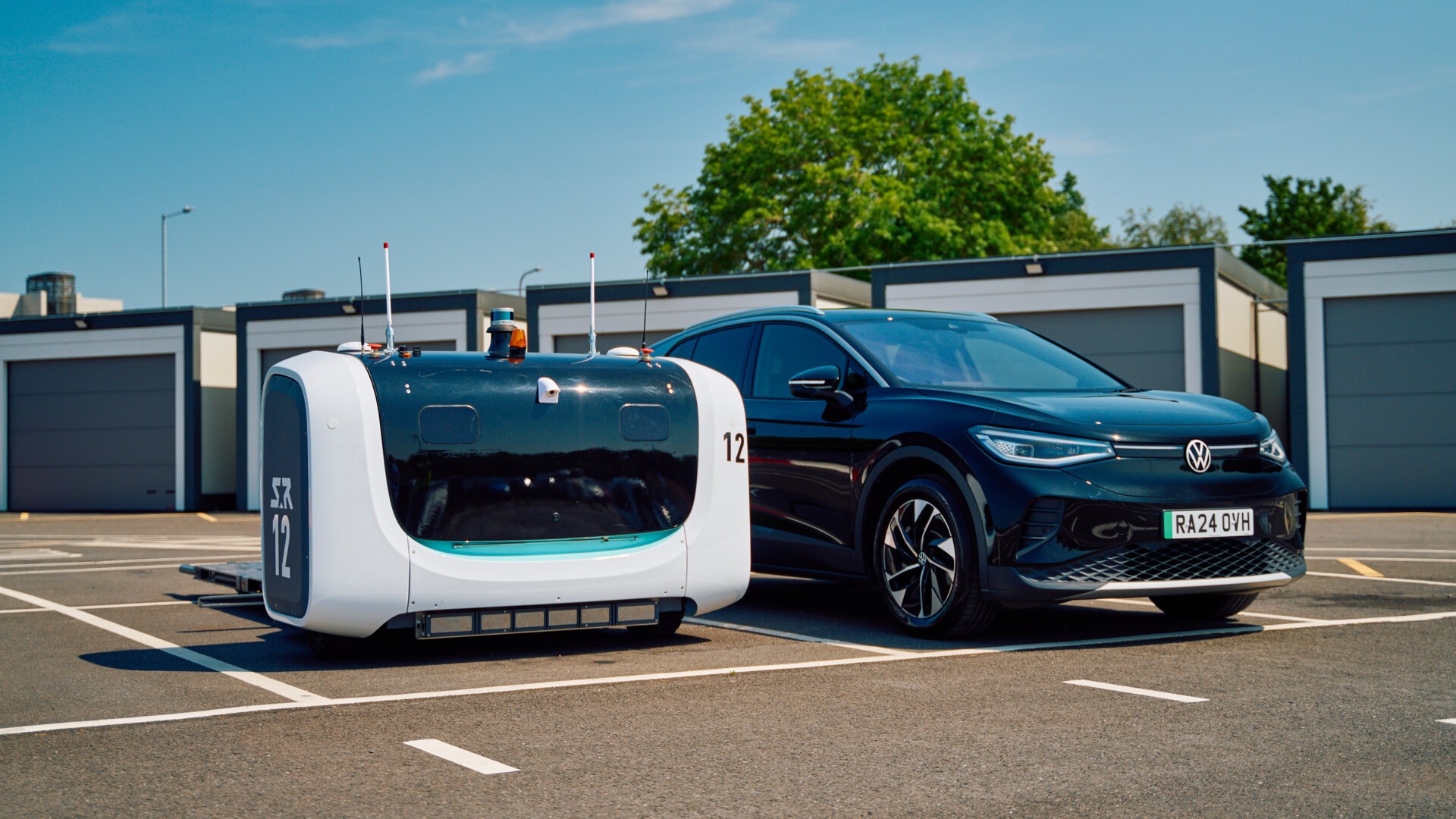
Gatwick’s parking robot keeps your keys but not your car (aerospaceglobalnews.com)

The Stanley Robotics system is advance-booking only. It takes standard cars up to 2.6 tonnes, moves them into denser storage, and is meant to have them ready when a booked return flight lands.

HN noticed the service’s unglamorous boundary: passengers still park in a cabin and may still take a shuttle. The robot optimizes the airport’s real-estate problem more than the airport journey.

JetZero promises 50% less fuel. HN asks about certification (jetzero.aero)

The Z4 is designed for international range and has backing or purchase options from Alaska and United, while JetZero has begun its Greensboro assembly campus and raised a $175 million Series B.

HN’s response was less about aerodynamic promise than the bottleneck behind it: pressurisation, evacuation rules, airport gates, support equipment, and certification all favor the familiar tube and wings.

GrapheneOS makes a duress PIN the last line of defense (discuss.grapheneos.org)

The project points to secure-element rate limiting, hardened exploit defenses, blocked USB data while locked, and an 18-hour locked-device reboot that returns the phone to its pre-unlock state.

HN readers focused on the everyday trade-off: strong protection depends on how the phone was last used. A device left running after first unlock presents a different problem from one powered down before a border crossing.

Ruff 0.16 turns 413 lint rules on by default (astral.sh)

Ruff is a Rust-based Python linter and formatter. The release folds many broadly useful checks into the default configuration, making a fresh run capable of finding a much wider class of code-quality problems.

HN’s likely concern is not whether more checks are valuable. It is how a project absorbs them: defaults are convenient for greenfield code, but established repositories need an intentional migration boundary.