Auto-download daily
Issue · June 25, 2026

Top of Hacker News

32 stories of the day: AI, technology, business and simply interesting discussions — recapped and unpacked.

Owlcat празднует 2 млн продаж Rogue Trader — фанаты пишут гневные отзывы (store.steampowered.com)

Warhammer 40,000: Rogue Trader — большая пошаговая RPG от Owlcat: вы вольный торговец в самом мрачном углу вселенной 40K, и за вами тянется свита из фанатиков, ксеносов и психопатов. На этой неделе игра разошлась тиражом в два миллиона.

И тем же днём студия тихо встроила в неё фоновый лаунчер. Игроки назвали его слежкой, припомнили точно такой же скандал с прошлой игрой Owlcat и за сутки вынудили откатить обновление.

Not just a headline — the discussion unpacked

The top HN threads: facts from the discussions, both sides, insider voices. Email, Telegram, or RSS.

GitHub Trending: Today — n8n, Playwright, NocoDB, CasaOS, Docker Compose (github.com)

Today's GitHub Trending skips the usual new-AI-launch churn for software you run on your own hardware: n8n (self-hosted workflow automation), NocoDB (an Airtable you host over your own database), and CasaOS (a one-click home-cloud dashboard), all deployed by the same Docker Compose file.

The catch the threads keep naming: two of them quietly swapped real open-source licenses for "fair-code", and n8n is mid-patch on a 10.0-severity bug that let anyone take over a self-hosted box.

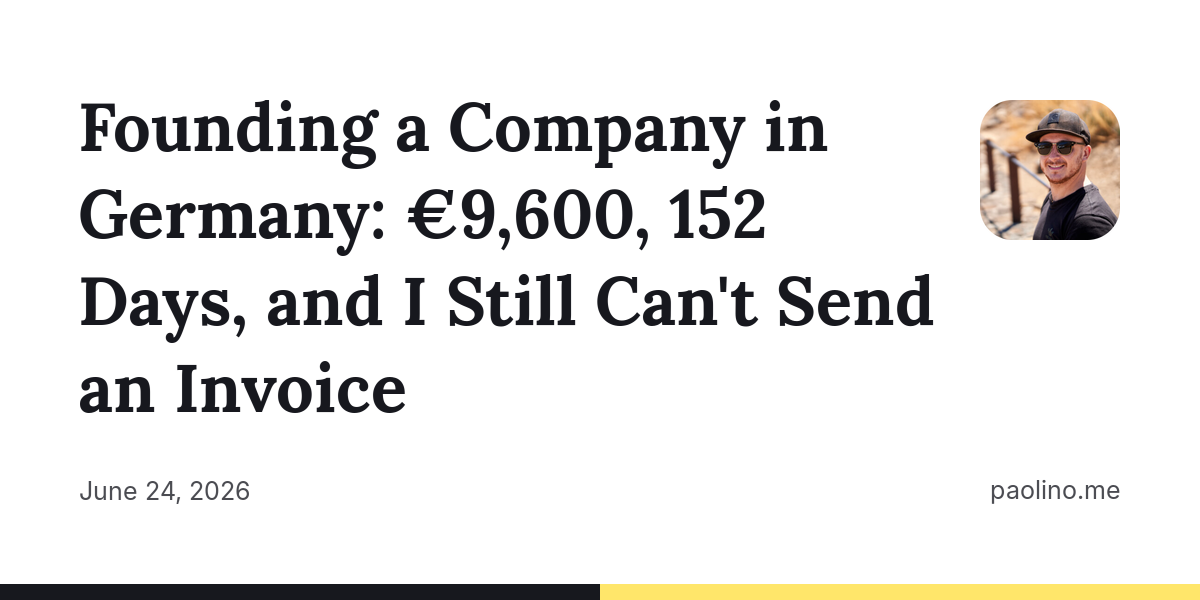
He spent €9,654 and 152 days to found a company he still can't bill from (paolino.me)

The line that stings is the share capital: €2,000 frozen in an account because, as the founder explains, that money is the company's risk, not his. The notary, court, register, tax, and legal fees pile on from there.

Then German founders and accountants showed up in the thread and turned the complaint on its head: he picked the most baroque structure on the menu, they said, when a plain UG takes weeks and a few hundred euros.

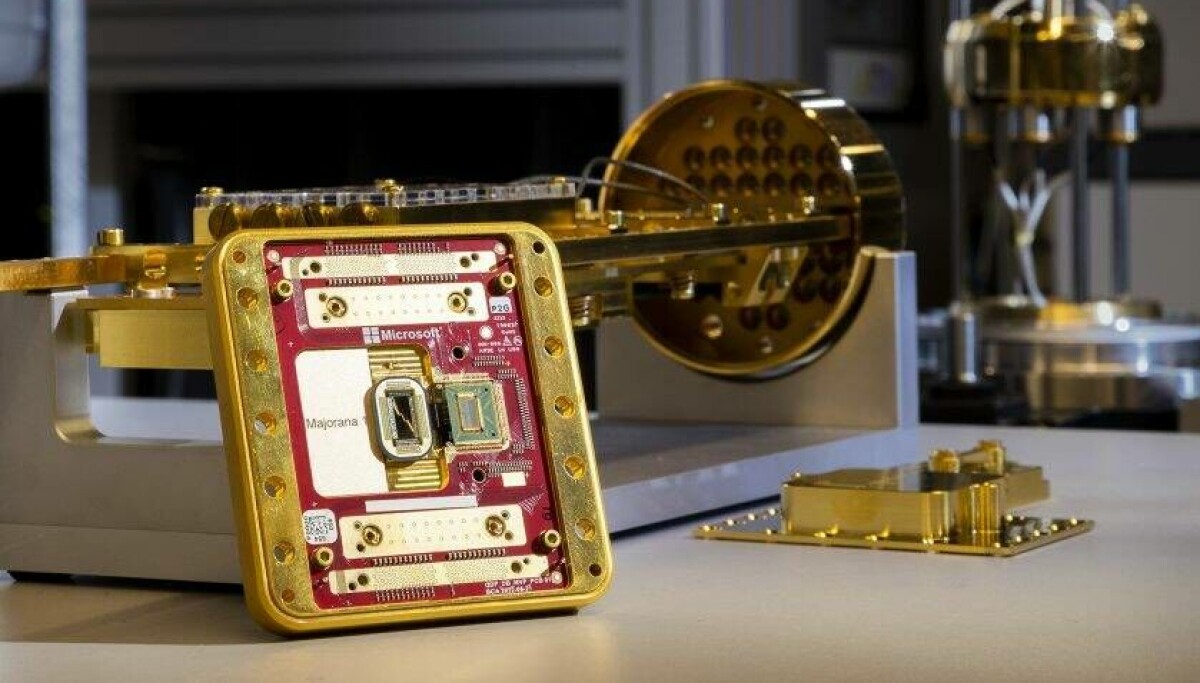
A St Andrews lecturer says one array bug sinks Microsoft's qubit (theregister.com)

Microsoft's code computed bias-axis symmetry with x[::-1], reversing array positions rather than the actual measured values. A separate filter, zbp_cluster_numbers=[1], plotted only the largest region; setting it to [1,2] surfaced data the paper omitted.

Legg's critique was accepted by Nature on April 20, 2026. Microsoft's Chetan Nayak calls the issues minor; the thread surfaced a 2016 Nature retraction caused by an equally small sign error.

A 16,000-line Rust parser written by Claude that the author never read (posthog.com)

The old parser interpreted an ANTLR grammar at runtime; the Rust rewrite is a recursive-descent parser with a Pratt expression core. It ran 70x faster on a laptop and 454x faster in production, with zero divergences across millions of shadow-mode queries.

The thread calls it the anti-vibe-coding playbook: an engineer who builds the same oracle setups says you can generate corpuses large enough to trust code you never read. A skeptic asks the question nobody answered: why not compile the grammar instead of fuzzing a code generator into agreement?

Hoffman calls SpaceX 'the IAC of AI', buying its way into relevance (fortune.com)

SpaceX's S-1 projects $320bn of AI-services revenue by 2030 at a 74% margin, dwarfing launch and Starlink, which is how the IPO valuation was supported. Its 2025 AI segment was mostly Twitter, with Grok near $0.5bn.

The thread's flip: Hoffman invests in both OpenAI and Anthropic and sits on Microsoft's board, so commenters weigh the vested interest against numbers that still don't add up.

📈Biz ★ 224 · 💬 255 · Jun 25 · #AI#markets#startups#Anthropic#Cursor#OpenAI+3

Anthropic accuses Alibaba of distilling Claude, days before its own models get curbed (reuters.com)

The complaint names a specific method: training a weaker model on a stronger one's outputs, the technique Anthropic calls "distillation." The thread's twist is that almost nobody buys the framing as a copyright grievance.

A self-described insider says the labs distill via AWS Bedrock, not Anthropic's restricted platform, so the company may not even hold the evidence. A UK student lays out the real pipe: Chinese resellers hawking Opus tokens at a 93% discount and selling the reasoning traces as training data.

Slate's $24,950 EV truck has no paint, no screen, and 205 miles of range (slate.auto)

Over 80% of Slate's 200-plus accessories cost under $500, and the spec sheet skips paint, a center touchscreen, and even a stated range. Thread sleuths found it: 205 miles on a roughly 63 kWh pack.

An owner-to-be configured a 'hatchback' with ordinary options — speakers, wheels, spare carrier — and watched the sticker climb to $35,000, close to EV sedans with nicer interiors.

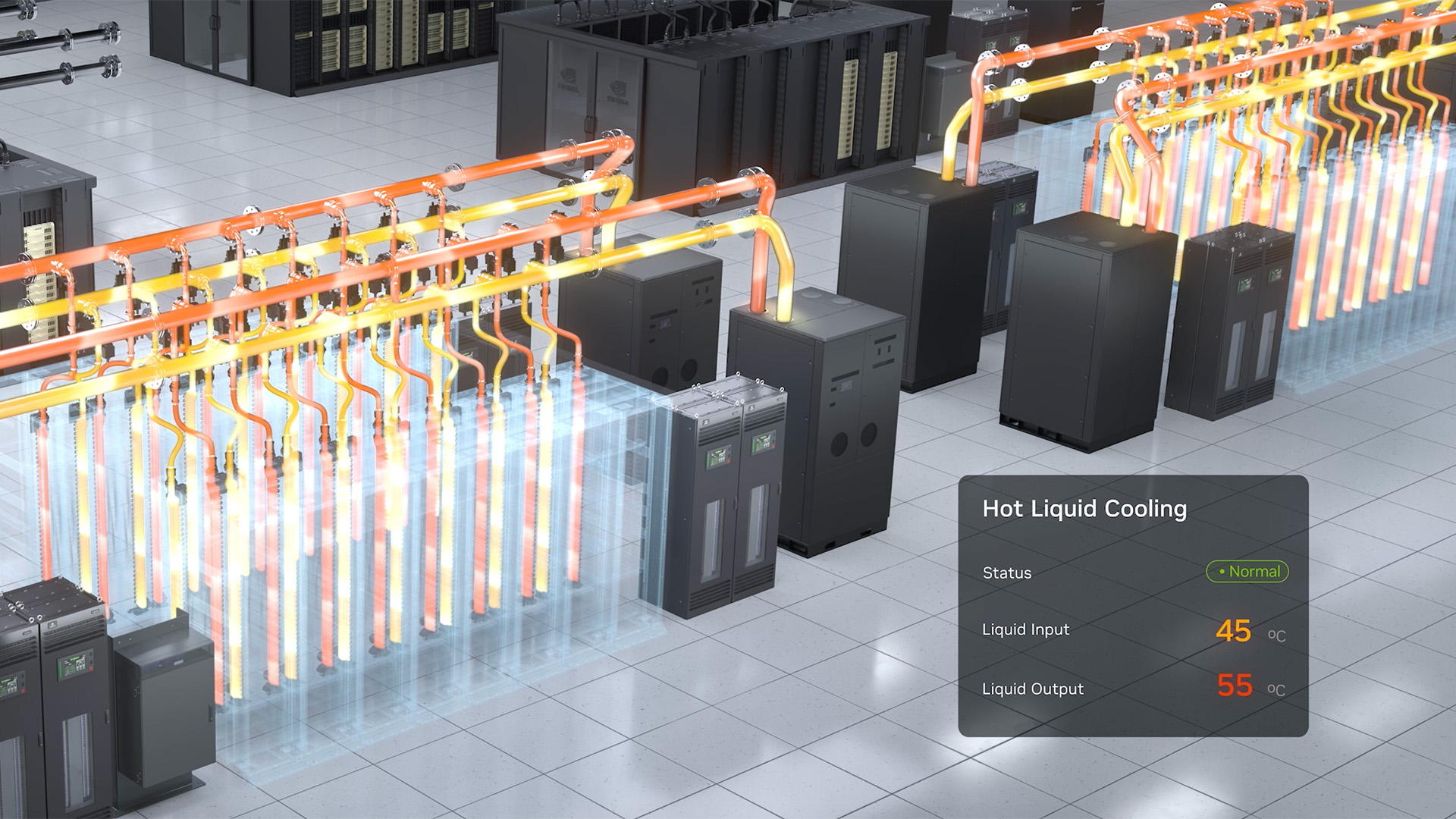
NVIDIA's 45C inlet water lets a data center run with no evaporation (blogs.nvidia.com)

Rubin-generation racks go fully liquid: every chip and switch sits on a cold plate, no fans, with 75% water and 25% glycol in a sealed loop. A 50MW site is pitched at over $4M a year saved on cooling and water.

Practitioners say the catch is climate. You need outside air below about 37C to guarantee a 45C outlet, so most sites still keep cooling towers for the hot days.

And the bigger water sink stays untouched: power generation, not the building, is where most of a data center's water actually goes.

🚀Tech ★ 213 · 💬 158 · Jun 25 · #AI#energy#hardware#Blackwell#NVIDIA#Rubin

Elastic cuts 7% while promising headcount will grow this year (elastic.co)

The memo spends few words on the cut and many on a brighter future, blaming AI and a leaner reorg while pledging to keep adding customer-facing sales roles.

Ex-staff and readers call the math a tell: a 7% trim that an ordinary hiring freeze would have reached, dressed as a sign of confidence.

The contrast with Elastic's 2022 layoff is the sharper point. Then it was framed as ZIRP ending; now, in good times, the cut is 6 points deeper.

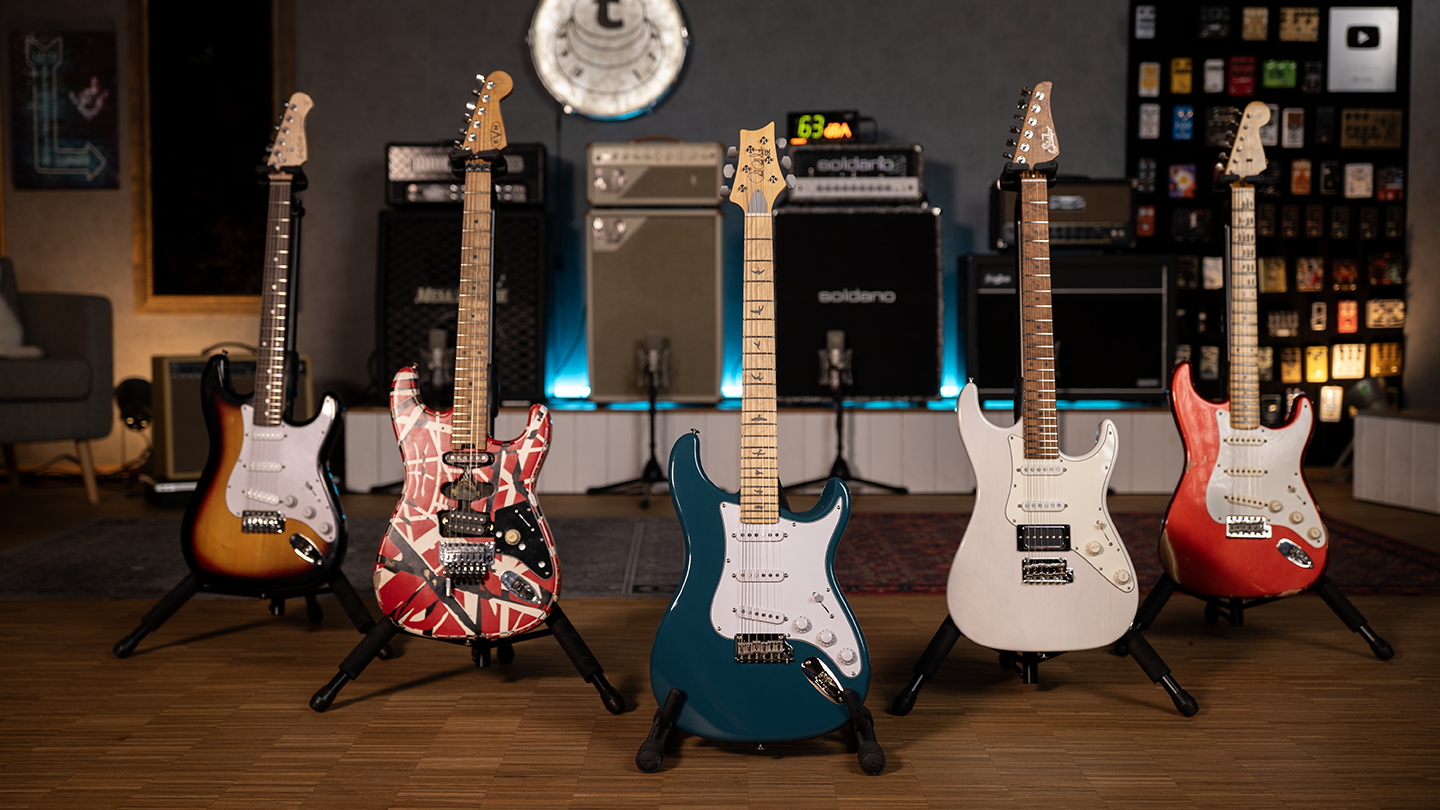
Thomann sues Fender to keep the Stratocaster shape free (thomann.de)

Fender's Düsseldorf win came on a procedural default against a Chinese company, not a ruling that anyone owns the Stratocaster outline. Thomann, maker of the Harley Benton brand, is suing to get the shape declared free for the dozens of luthiers who built on it since 1954.

Then the thread reframes the fight: under US law the design went public domain decades ago, and the deeper problem is that Fender sat on its trademark while Gibson locked down the Les Paul body in the 1980s.

AI labs are buying Kant by the seat at $350k base (economist.com)

The split that matters is hidden in the piece: Anthropic's constitution leans Kantian deontology (hard rules against lying and coercion), while OpenAI's and Google's models tilt consequentialist, weighing costs and benefits.

Then a philosopher in the thread flips the premise. The labs don't want someone who finds fault, he argues; they want someone to affirm whatever needs affirming. PR, priced cheaper than a $6B acquihire.

A cat fungus survives 10 weeks on steel and can hide for three years (sciencenews.org)

Unlike other dimorphic fungi, this one spreads in its yeast form, persisting on stainless steel for 10 weeks against Candida's 48 hours. A UK family developed symptoms three years after leaving Brazil.

A CDC adviser's word "ginormous" set the thread arguing over scale, until a vet's partner in Porto Alegre reported new cases weekly and 100% lethality in untreated strays.

🌍Other ★ 185 · 💬 136 · Jun 25 · #health#science#Brazil#CDC#Science News+1

Venezuela tallies $240B in debt, $90B more than markets priced in (euronews.com)

Of the $240B, only about $60B is bonds; another $40B is interest accrued since the default, with the rest spread across China, Russia, oil-company claims and expropriation awards. The economy backing it is now near $100B, down from $370B in 2012.

The thread's counter-read: much of this never gets paid in full. Analysts and a markets regular point to the 'odious debt' doctrine and a likely 50% haircut, while oil-secured claims keep their leverage because Venezuela needs those same firms to rebuild.

LeCun: serving one $200/mo power user costs about $15,000 (techstrong.ai)

LeCun's economic punchline: today's subscriptions don't cover their own compute, and he wants a diversity of AI systems "for the same reason we need a high diversity of the press."

The thread's flip is hardware, not weights. You can't have open-source AI, one widely-read commenter argues, without open hardware specs and manufacturing. Another asks the unglamorous question: can most of the world afford the machine to run any of it?

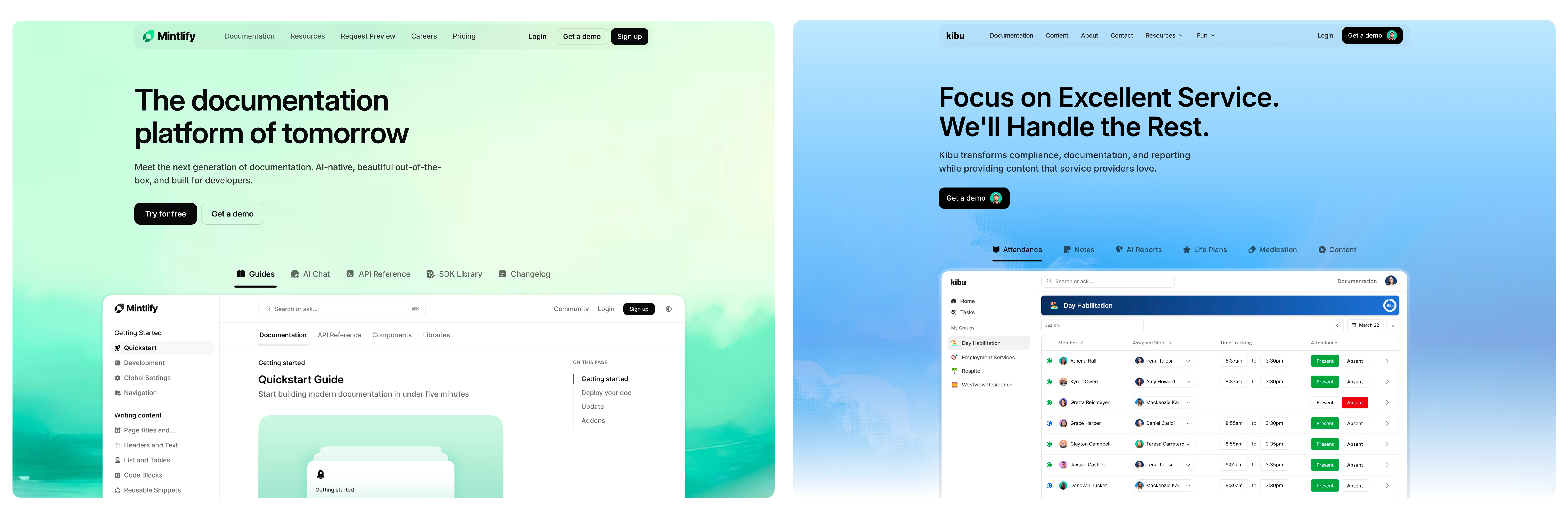
They rebuilt Kibu's site by copying Mintlify pixel by pixel (ben-mini.com)

The honesty is the hook: the 3% wasn't rigid. In practice it crept to roughly 50% once the team trusted its own instincts, swapping in team photos on buttons and favoring video over screenshots.

The thread's reversal is that this isn't stealing at all. Stealing means taking the idea and remixing it, several argue; copying the finished output line-by-line just manufactures sameness. One twist nobody resolved: Mintlify's 2025 look was itself lifted off Stripe.

Gemini 3.5 Flash gets computer use, and its own chart undercuts it (blog.google)

Computer use is now native in Gemini 3.5 Flash: the model sees a screenshot, reasons, and acts across browser, mobile and desktop, pitched for software testing and enterprise automation via the API and a Browserbase demo.

Then the thread turns on the marketing. Readers note the headline benchmark chart visually crowns Flash while the numbers show two rivals ahead, and agent builders argue screenshot-driving is the wrong primitive entirely.

An administration letter to Anthropic locked the NSA out of Mythos too (nytimes.com)

Mythos is described as a tool that broke into almost all of the NSA's classified systems in hours, not weeks. A classified Anthropic-NSA contract to use it for vulnerability detection was never finalized.

Then a single government letter pulled the plug for everyone. The thread's read: not a power grab but a self-inflicted lockout, with the real lever sitting in plain sight.

Engineers also push back on the panic, arguing Mythos's edge is the harness and toolset, not the weights, and that chaining small bugs is what actually breaks systems.

Carmack: 'I pushed everyone too hard', and Quake was too ambitious (twitter.com)

Carmack's admission is structural: Quake bundled a new renderer, a client-server netcode layer, and the QuakeC scripting engine at once, bottlenecking the whole studio on his graphics work while the rest shipped Doom expansions.

The thread refuses the apology. Several argue the leap was the point, that the next-gen engine was id's job, and that second-guessing a masterpiece is the wrong lesson.

Qualcomm buys Chris Lattner's Modular, the anti-CUDA bet, for ~$4B (reuters.com)

Modular's pitch was a portable compiler stack that breaks NVIDIA's CUDA lock-in; founder Chris Lattner built LLVM, Clang and Swift before this. The buyer designs ARMv9 chips and has almost no presence in the H100-class training market.

The thread reads it two ways. One commenter notes Modular's founder repeatedly wrote that hardware firms fail at AI software, making the acquirer the punchline. Another sees a portfolio play, lining Modular up beside Tenstorrent and Ventana as Qualcomm pushes from phone chips toward RISC-V and datacenter AI.

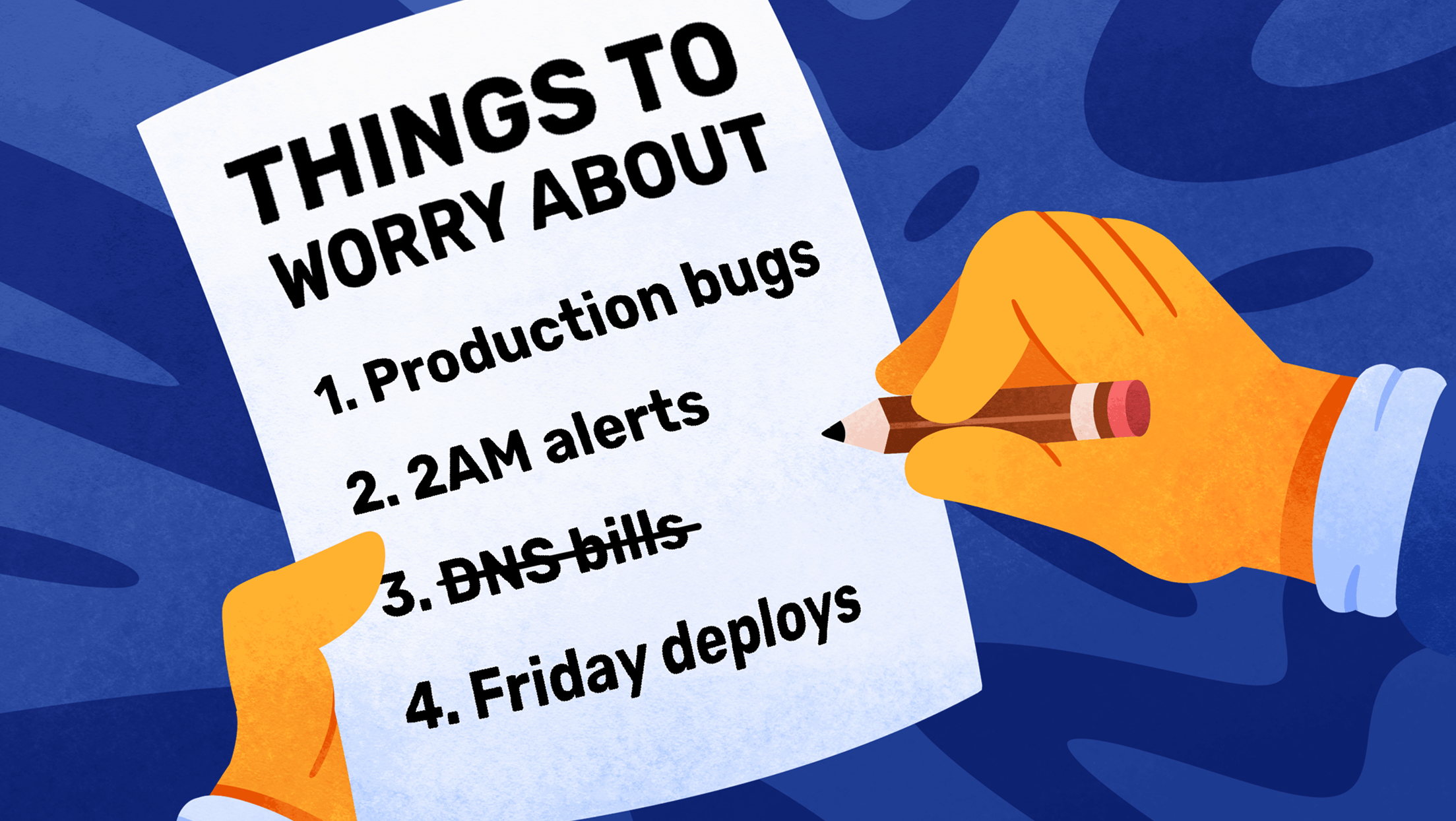
Bunny makes DNS free, but the fine print says not quite (bunny.net)

Bunny DNS isn't a 1.1.1.1-style resolver — it's authoritative DNS with a routing engine that already steers 200 billion queries a month across 119 locations. Killing the per-query meter removes the one unpredictable line on the bill.

Then a user tried to open an account and couldn't get DNS without the $1 minimum spend, calling the 'free' headline 'verging on dishonest' — while others argued that exact floor is the anti-abuse feature.

One contributor opened 106 PRs in a day, 3 seconds apart (greptile.com)

Greptile pulled the numbers off the fastest-growing repo in GitHub history: contributions that demand deep codebase knowledge get merged nearly 4x more than novel features. Speed predicts nothing.

The thread split on the fix. Some want reputation scoring borrowed from anti-spam history; others want AI contributions banned outright, and one engineer noted the email analogy quietly breaks.

A 2,000-person Quebec town just gave its trees the right to life (cbc.ca)

The mayor's argument: if non-living corporations can hold legal personhood, living things should qualify too. The town is the first in Canada to sign the Universal Declaration of the Rights of the Tree.

The thread fixated on a detail in the article: the town has no open lots left to build on, so commenters read the whole thing as NIMBYism wearing an environmental costume.

One Ruby gem, 12 AI providers, 800 models, and a maintainer bottleneck (rubyllm.com)

The pitch: 12+ providers and 800+ models behind a single API with three dependencies, chat, vision, embeddings, tools, and a Rails acts_as_chat hook.

Shipping shops vouch for it, but the leaky edges surface fast: prompt caching that breaks per-provider, and a maintainer whom a Rubygems.org founder says merges vibe-coded PRs while ignoring real ones.

A $4 Pico W becomes a driverless USB Wi-Fi adapter, after Gemini said no (gitlab.com)

The trick is a MAC-address swap: the Pico W's USB side adopts the radio's station MAC, so Ethernet frames cross verbatim with no NAT, no wpa_supplicant, no vendor driver. It enumerates as a standard CDC-NCM device on macOS, Linux and Windows alike.

Then the numbers land: 4.75 Mbits/sec, capped by the RP2040's full-speed USB. The thread splits between people who find that fine for an air-gapped box and people noting a $5 dongle is faster and cheaper.

A £40 e-reader runs on an ESP32 and outprints the Kindle (blog.omgmog.net)

The Xteink X4 arrives with a 16GB microSD card, a MagSafe ring, and stock firmware locked to three fonts and a Chinese default menu. The reviewer flashed it anyway and got TeX-quality justification out of a microcontroller.

Then the thread turned into a confessional: owners who can't stop buying more, a custom-firmware author testing a build, and one screen that shattered in a backpack.

Zod's creator builds a Bun-like toolkit that keeps stock Node (github.com)

Nub is a Rust binary that wires the oxc transpiler into Node through module.registerHooks() and an --import preload, so TypeScript, JSX and .env load with no build step on the runtime everyone already ships.

An ArkType maintainer says he merged a whole monorepo onto it with zero issues. But a Node internals reader flags the --require hook choice, warning it could quietly break top-level await in ESM.

To publish a Rust crate, you still need a GitHub account (infosec.exchange)

The coupling runs deep: crates.io usernames mirror GitHub usernames, the users table carries gh_login and gh_id columns, and team ownership maps onto GitHub teams. Decoupling means rebuilding auth while the registry stays live.

An RFC to unblock multi-provider login finally merged and implementation has started. But a Cargo maintainer notes the real bottleneck isn't code, it's that nobody is paid to do the boring work.

Minimus makes its hardened container images free — the thread asks who pays later (images.minimus.io)

Minimus publishes hundreds of distroless images with per-image vulnerability-reduction percentages — nginx at 100%, python at 98% — now free with no SLA or guaranteed patch timing, while paid tiers get fixes first.

The thread, with the co-founder present, circles one worry: free tiers vanish once they're load-bearing. Engineers also press on the unanswered basics — no Dockerfiles, unclear licensing, and a supply-chain trust gap against open-source Wolfi.

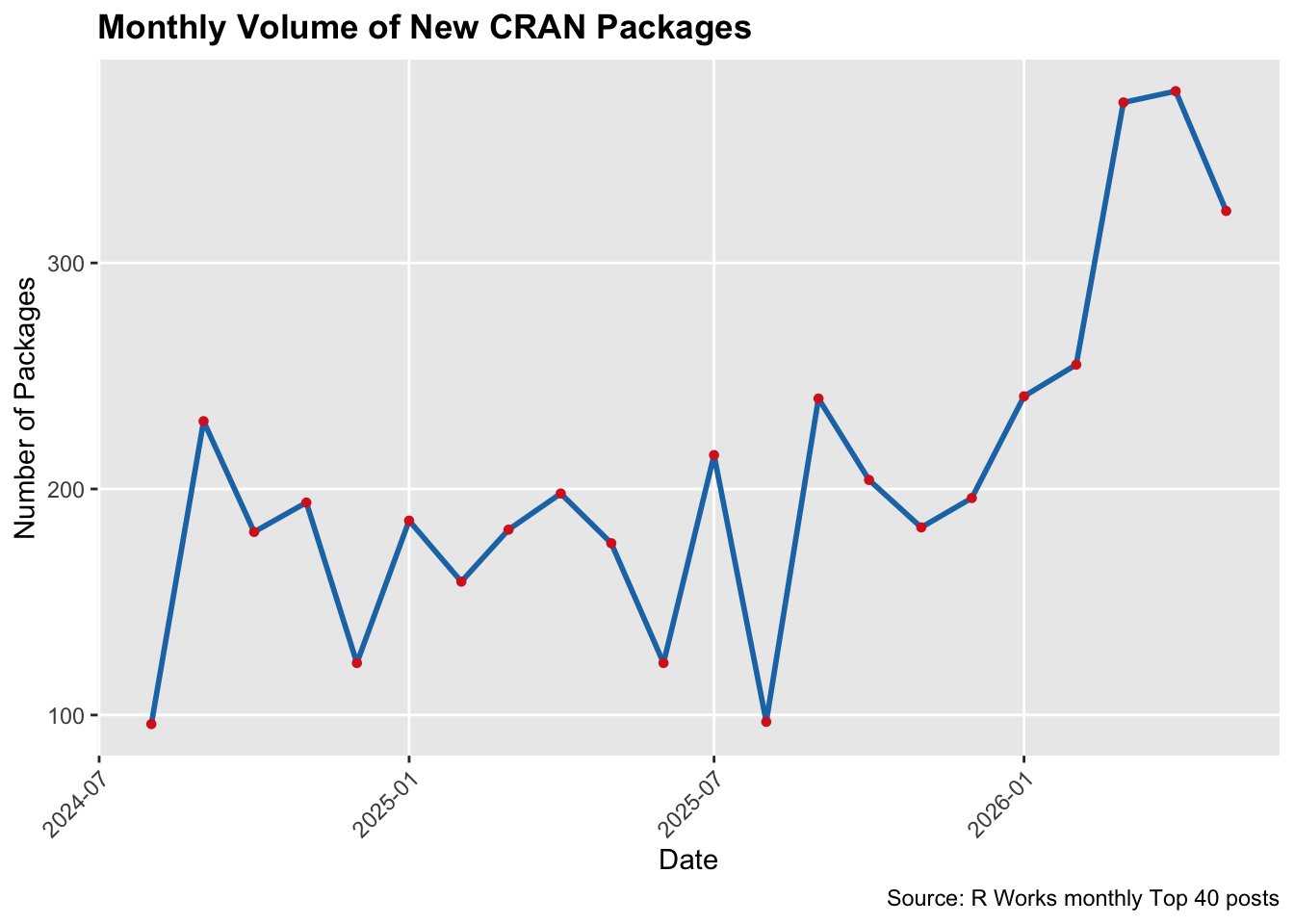
323 new R packages in one month — and 40 shipped with no README (rworks.dev)

In May, 323 new packages landed on CRAN; 40 of them had no README, vignette, or repository URL. The curator behind the 'Top 40' roundup says the work is now exponentially harder.

The thread splits on the cause. Some blame AI-generated 'slop' and tidyverse over-reliance; a recent first-time submitter pushes back, noting CRAN still put his package through two rounds of human review.

The gist that says Postgres replaces Kafka, Redis and Neo4j (gist.github.com)

The gist sets a deliberately high bar: pick a separate system only after you have pushed Postgres to its limits, documented why it fell short, and accepted the operational cost. PGMQ stands in for Kafka, pgvector and ParadeDB for Elasticsearch, Apache AGE for Neo4j, TimescaleDB for time-series.

Then a Google SRE flips it: you only reach for Kafka or Snowflake at the point Postgres stops being viable, so the comparison runs backwards. And a 20-year ops veteran argues one big database is harder to run than several small ones.

OpenAI's first chip, 'Jalapeño', went from design to silicon in nine months (techcrunch.com)

The part targets inference, not training, so Nvidia keeps the training moat while OpenAI chases the recurring per-token cost. The pitch leans on one phrase: development "accelerated by OpenAI's models".

On Hacker News a chip engineer called the nine-month timeline impossible and guessed it is a relabeled Broadcom design with little real OpenAI contribution.